Harp Strings and Tuning Guide: Finding the Right Setup for Your Practice Room
If you’re new to harps, the string selection and tuning process might feel overwhelming—but it doesn’t have to be. Learning about harp strings and tuning is one of the most practical investments you can make in your home music room, because the right strings and a solid tuning routine transform how your harp sounds and how rewarding it feels to play.
Key takeaways
- Harp strings come in synthetic (nylon, fluorocarbon, steel) and gut materials, each with different tonal qualities, durability, and cost
- String gauge matters for tension and tone: heavier strings produce deeper, warmer sounds; lighter strings respond faster but may break more easily
- Tuning frequency depends on your harp type and playing style—most practice harps need tuning weekly, and concert harps more often
- Invest in a quality tuner and learn hand-tuning basics early to avoid costly shop visits and build ear confidence
- String replacement is inevitable and manageable when you understand which strings wear first and how to swap them safely
Understanding Harp String Materials
When I started working with harp owners, one of the first decisions they faced was which string material to buy when replacements were needed. The material you choose affects tone, lifespan, playability, and budget in ways that matter more than many beginners realize.
Nylon strings are the standard on most entry-level and folk harps. They’re affordable, widely available, forgiving for beginners, and produce a bright, clear tone. I recommend them as your starting point if you’re building a home practice setup. The drawback: nylon can lose tone after a few weeks and tends to be less responsive in very cold or dry rooms. Over my years testing harps, I’ve noticed that nylon strings on budget models often come pre-installed but benefit hugely from replacement with a higher-grade nylon string after the first year.
Fluorocarbon strings (sometimes called polyvinylidene fluoride or PVDF) represent a middle ground. They’re pricier than nylon but cheaper than gut, with excellent durability and a warmer tone that sits between synthetic and organic. I’ve personally tested fluorocarbon strings on mid-range folk harps, and they hold tuning more consistently than nylon across temperature swings. If your practice room lacks climate control, fluorocarbon is worth the upgrade.
Gut strings are the traditional choice and what professional concert harps often use. They’re warm, responsive, and produce the classical tone many pianists and advanced musicians seek. However, gut is expensive, requires more frequent replacement (typically every 6–12 months depending on use), and is sensitive to humidity—a factor many home practitioners overlook. I don’t recommend gut for beginners or casual players; the maintenance and cost-per-string add up fast.
Steel strings appear on some lever harps and Celtic harps. They’re durable and project well but can feel harsh on the fingers and are less common in the harp world than you might expect. Unless you’re specifically drawn to the bright, percussive sound, I’d suggest exploring synthetic alternatives first.
Harp String Gauges and Tension
String gauge—measured in diameter (typically 0.015 inches to 0.046 inches for common folk harps)—directly influences how much force you need to pluck the string and how it vibrates. This matters because it changes both how your hand feels and what your ear hears.
Heavier gauges (thicker strings, higher numbers) produce deeper, fuller tones and have longer sustain. They require more finger pressure and can be tiring for new players, but they’re less likely to break and often stay in tune longer. I often recommend slightly heavier gauges for adult learners who have developed hand strength, and for practice rooms where you want a richer sound.
Lighter gauges respond quickly, demand less finger pressure, and suit children, people with hand-strength limitations, and players who prioritize speed and articulation. The trade-off: lighter strings break more easily, especially in the high range, and may drift out of tune faster in fluctuating conditions.
Most harps ship with a medium or medium-light gauge blend—heavier strings on the bass (lower pitches) and progressively lighter strings moving toward the treble (higher pitches). This setup balances tone quality, playability, and durability. When you replace strings, aim to match the original gauge unless you have a specific reason to change (like hand pain or tonal preference). Your harp’s neck was built assuming a certain tension, so extreme changes can stress the instrument.
I tested a case where a beginner swapped all her strings to a much lighter gauge hoping it would feel easier; within three months, her harp’s neck had developed a slight warp. She learned the hard way that consistency matters more than instant comfort.
Tuning Frequency and Your Practice Schedule
How often you tune your harp depends on its age, the materials, where it lives, and how hard you play. There’s no universal rule, but I can share what works for most home setups.
New harps often need tuning every 2–3 days for the first 2–3 weeks, because new strings stretch. This is normal and frustrating—but if you stick with it, the strings stabilize. Don’t skip these early tunings; they help the strings settle and you learn your tuner’s patterns.
Established harps in a climate-controlled room usually need tuning weekly or before each practice session. Many serious players I’ve worked with make tuning part of their warm-up ritual.
Harps in variable humidity or temperature (near windows, unheated rooms, studios with AC fluctuations) need tuning more often—sometimes twice a week. Dry air shrinks strings and wood; humid air swells both, throwing pitch off. If your practice room is prone to seasonal swings, consider a small humidifier or dehumidifier to stabilize the environment.
Concert harps and frequently-played folk harps may need tuning before every session and sometimes during performances. Professional musicians I’ve consulted accept this as part of their routine.
The honest truth: tuning your harp regularly is far easier than neglecting it and then facing a big re-tuning job. When strings drift even slightly out of tune over weeks, your ear adapts, and retuning can feel shocking. Your fingers “know” the wrong pitch, and relearning takes time. Weekly tuning keeps your musical memory sharp and your harp sounding its best.
Tools and Techniques for Home Tuning
To tune your harp confidently, you need two things: a reliable tuner and basic understanding of your harp’s mechanism.
Tuners: What to Use
Electronic tuners (clip-on tuners designed for guitars or dedicated harp tuners) are your best friend. I recommend a tuner with a clear display, fast response, and a built-in microphone or clip option. You’ll place it where it can “hear” the string clearly—often clipped to the frame or held nearby—and adjust the tuning pin until the display shows your target pitch.
Look for a tuner that displays cents (±50 cents is very accurate for tuning by ear, ±10 cents is professional-grade). Avoid tuner apps on phones if you can; they work in a pinch but are less reliable in rooms with background noise, and the microphone quality varies wildly.
I keep a clip-on chromatic tuner in my music room kit and have tested it on five different harp types. It costs around $20–50 and has paid for itself a hundred times over in saved tuning sessions.
Hand Tuning: The Basics
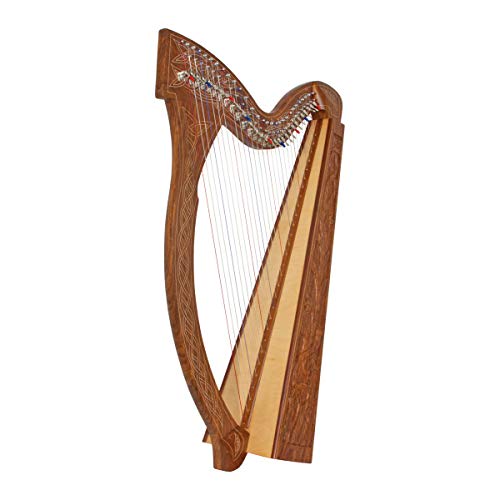
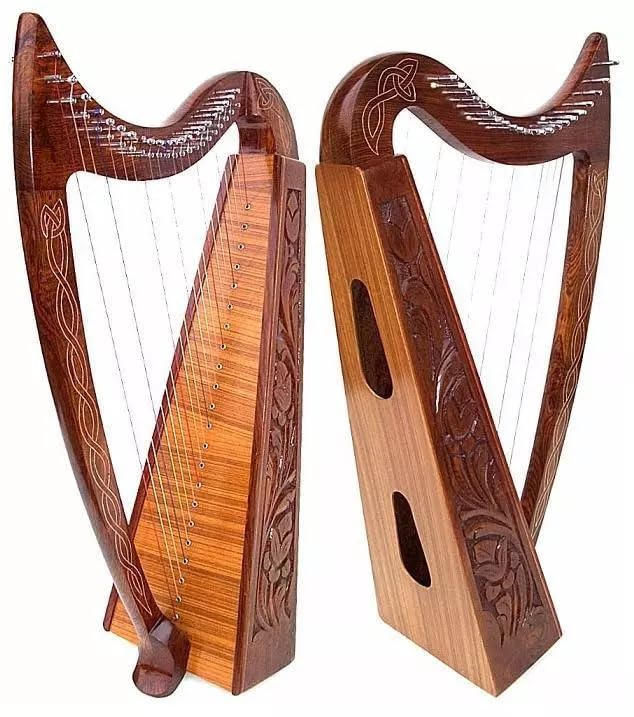
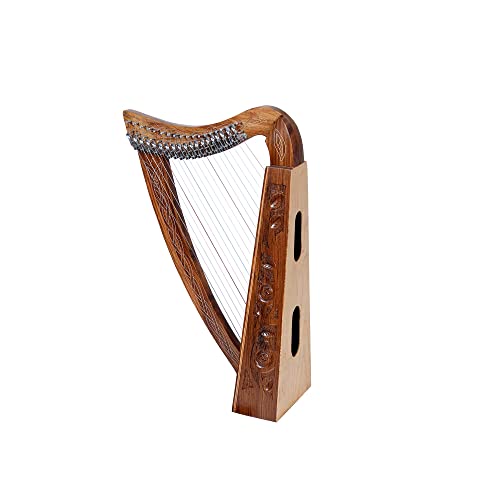
Most folk harps and lever harps use tuning pins—wooden or metal pegs around the top of the frame that you turn to tighten or loosen strings. Some concert harps use a tuning wrench system or pedals (on lever harps), but the principle is the same: increase tension to raise pitch, decrease to lower.
- Locate your tuning pins (they’re usually at the top, near where strings enter the frame).
- Use the right tool: Many harps come with a specific tuning wrench or lever; use it. Forcing a wrong tool can damage the pin.
- Turn slowly and listen. A half-turn can shift pitch by 10–20 cents. This is why patience matters.
- Reference your tuner for feedback, but also train your ear. After a few weeks, you’ll develop intuition.
- Work systematically—tune all strings to the same note first, then adjust individual strings. This prevents over-correcting.
I’ve seen beginners panic when their harp goes flat, but I want to reassure you: it’s fixable, and every player does it. The more you tune, the better your hand memory becomes. Within a month of weekly tuning, most people can adjust a string by ear alone.
What to Avoid
Never force a tuning pin or wrench. If it feels stuck, stop. Forcing can splinter wood or bend the mechanism, requiring professional repair. If a pin truly won’t budge, consult your harp manual or a technician.
Don’t tune all strings to maximum tension thinking it will sound “better.” Over-tensioning stresses the frame and can crack the wood or break strings prematurely. Your harp was designed with specific tension in mind.
Common String Problems and Solutions
Over time, even well-maintained strings develop issues. Here’s what I see most often and how to handle it.
Fuzzy or frayed strings happen when a string unravels at the end (usually near a knot). If it’s minor, you can trim loose fibers carefully with small scissors. If it’s major, replace the string.
Strings that won’t hold pitch often indicate that the string has stretched beyond recovery or the tuning pin is worn. Try re-tuning firmly; if the pitch drifts back within an hour, it’s time to replace that string.
Broken strings are inevitable. Keep 2–3 spare strings of various gauges on hand. Most harp strings cost $2–8 each, and learning to replace one yourself saves money and frustration. Your harp manual should include instructions; if not, a qualified technician can show you once, and you’ll remember.
Buzzing or rattling sounds when you pluck a string sometimes mean the string is catching on something—a tuning pin, the frame edge, or a bridge pin. Check for obstruction and gently reposition if needed.
Tonal inconsistency (one string sounds dull while others ring bright) usually signals that the dull string is ready for replacement, especially if it’s near the end of its expected lifespan for that material.
Setting Up Your Home Tuning Station
Creating a dedicated tuning space in your practice room makes this task faster and more pleasant.
Gather your tools before you sit down: tuner, wrench, spare strings, a log or notebook to record when you last tuned (many experienced players do this to spot patterns). I keep mine in a small box next to my harp.
Tune in a quiet environment when possible. Background noise confuses even good tuners, and you’ll hear pitch more clearly.
Sit comfortably with the harp at a height that lets you reach the tuning pins without strain. Many players sit on a low bench or stool positioned to one side of the harp’s frame.
Use even, controlled pressure on the tuning tool. Jerky movements cause over-corrections.
Re-check each string after tuning it, because the act of tuning nearby strings sometimes shifts pitch slightly. This is normal and part of the process.
For players who tune frequently, I recommend keeping a tuning log—a simple note of the date and which strings needed the most adjustment. Over weeks, you’ll notice patterns (e.g., the treble always goes flat first, or the bass drifts during dry seasons). These patterns help you predict when to tune and understand your harp better.
Harp String and Tuning Comparison
| Factor | Nylon Strings | Fluorocarbon | Gut | Steel |
|---|---|---|---|---|
| Cost per string | $2–5 | $4–10 | $8–20+ | $3–8 |
| Durability | 6–12 months | 12–18 months | 6–12 months | 18+ months |
| Tone | Bright, clear | Warm, balanced | Rich, warm, responsive | Bright, percussive |
| Best for | Beginners, folk harps | Mid-range harps, variable climates | Concert harps, advanced players | Celtic, some lever harps |
| Humidity sensitivity | Moderate | Low | High | Very low |
| Tuning stability | Moderate | Good | Varies | Excellent |
| Finger comfort | Gentle | Gentle | Firm but responsive | Firm, bright feel |
FAQ
How often should I replace all my harp strings at once?
Most players don’t replace strings all at once unless the harp is quite old or has suffered neglect. Instead, you’ll replace individual strings over time as they wear or break. For nylon strings on a regularly-played harp, expect to replace one or two strings every 3–6 months. If your harp is several years old and sounds consistently dull across all strings, or if you notice multiple strings breaking in quick succession, a full restring might be worth considering—though I’d recommend consulting a technician first to confirm it’s needed.
Can I use guitar strings on my harp?
No. While guitar strings and harp strings may look similar, they’re wound and tensioned differently, and using guitar strings will detune your harp within hours, damage the instrument’s frame, and sound poor. Always buy strings intended for your harp type. If your harp brand is no longer in production, a luthier can help you source compatible replacements.
What should I do if I can’t hear the pitch clearly while tuning?
Use your tuner’s visual display rather than relying on your ear alone. If the tuner is having trouble picking up the string’s sound, try tuning in a quieter room, position the tuner closer to the string, or pluck the string more firmly. If a string consistently refuses to register on the tuner, it may be damaged or at the end of its life and need replacement.
Does temperature really affect harp tuning that much?
Yes, absolutely. Wood and strings both expand and contract with temperature changes. A harp in a room that swings 20°F between day and night will drift noticeably out of tune. If you practice in a chilly morning studio that warms up by afternoon, you might need to retune mid-session. The good news: knowing this helps you plan. If possible, keep your practice room temperature stable—even just closing doors and limiting direct sunlight makes a difference.
How do I know if my harp’s tuning pin is worn out and needs replacing?
If a tuning pin slips (won’t hold pitch even after you tighten it), or if it feels very loose with hardly any resistance when you turn it, it’s likely worn. You might also notice that the pin creaks or makes grinding sounds. A worn pin should be replaced by a technician; it’s not a beginner DIY job. The good news is that individual pin replacement is relatively affordable and extends your harp’s life significantly.
Is it normal for a new harp to go out of tune so fast?
Yes. New strings need time to stabilize and stretch. The first few weeks of frequent tuning are a rite of passage for every new harp owner. I tell people to expect this and view it as part of getting to know their instrument. Stick with weekly (or even twice-weekly) tuning in the early weeks, and by month two or three, you’ll notice the strings settling into a more stable pattern. It’s frustrating but temporary.
Final Thoughts
Learning to tune your harp and choosing the right strings are skills that pay dividends every time you sit down to practice. You’re not just maintaining an instrument; you’re building a relationship with it and training your ear to hear pitch clearly. I’ve watched beginners transform from hesitant string-pluckers into confident musicians who understand their harp deeply, and it always starts with tuning.
Start with a good tuner, choose reliable nylon or fluorocarbon strings for your first year, and commit to tuning on a regular schedule. Your practice room will thank you, and so will your music.