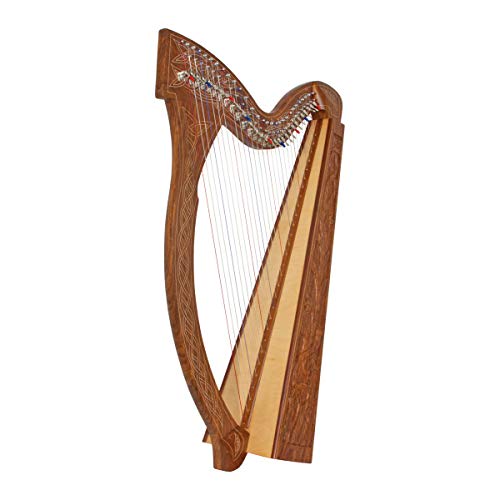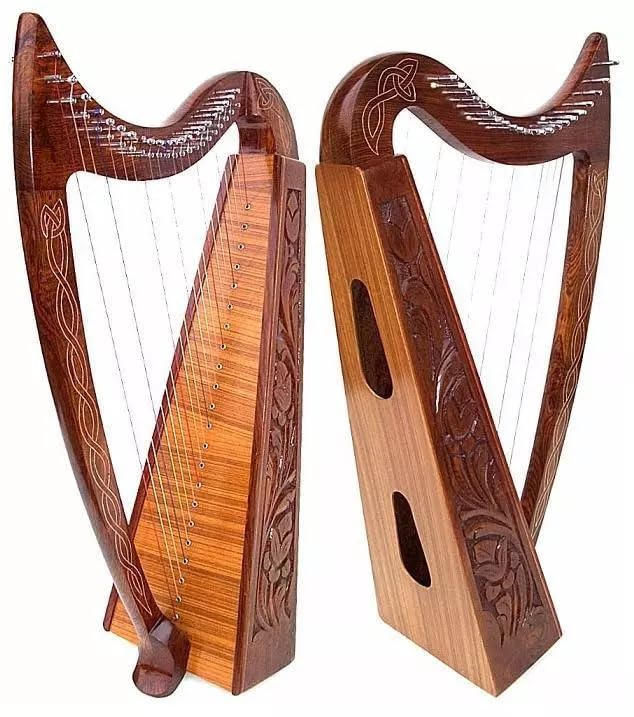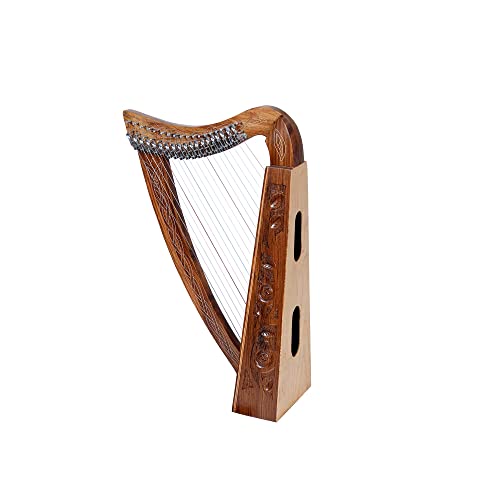
Amazon vs. Dealers: Honest First-Harp Advice
Buying your first harp online feels convenient—Amazon, big-box retailers, and specialized e-commerce sites promise next-day delivery and easy returns. But harps aren’t guitars; they’re instrument-furniture hybrids that demand patience, expert guidance, and often a trusted relationship with someone who can help you care for it long-term.
In this guide, I’ll walk you through what I’ve learned about buying a first harp—where to shop, what questions to ask, and most importantly, how to avoid the beginner mistakes that lead to frustrated students and dusty instruments in closets.
Key Takeaways
- Amazon and big-box retailers prioritize speed and price over expertise; they’re rarely the best choice for entry-level harps.
- Music dealers and specialty retailers provide setup, tuning, maintenance training, and ongoing support—worth the slightly higher cost.
- Direct purchase from manufacturers often includes better documentation, setup guidance, and manufacturer warranty coverage.
- Hybrid shopping (research online, buy local) gives you the best of both worlds: informed decisions and hands-on help.
- First harps under $500 are vulnerable to damage in transit and setup failures—professional handling is essential.
Why Your First Harp Isn’t Just Another Online Purchase
I’ve watched dozens of families unbox harps from generic retail fulfillment centers, only to find missing strings, bent frames, or tuning pegs that don’t seat properly. The harp arrived; the music didn’t.
Here’s the thing: harps are highly sensitive to humidity, temperature shifts, and physical handling. Unlike a book or kitchen appliance, a harp has dozens of moving parts. Its soundboard is made of thin wood that absorbs moisture. Its strings carry hundreds of pounds of cumulative tension. If it arrives in a warehouse that’s 40 percent humidity and you live in an 80 percent humidity climate—or vice versa—tuning instability and wood movement can take weeks to settle.
Amazon and other marketplace retailers don’t account for this. They pack harps into standard boxes with minimal protective wrapping, hand off to carriers who have no idea what they’re holding, and rely on the 30-day return window to catch problems. By then, you’ve already paid for return shipping, lost weeks of practice, and potentially watched a young student’s enthusiasm evaporate.
Dealers, on the other hand, have skin in the game. They’ll ask where you live, what your home’s humidity typically is, how you plan to use the harp, and whether you have room for it in an appropriate environment. They’ll often do a pre-delivery acclimation, set up the harp in your home, and show you how to maintain it. That service isn’t free—but it’s insurable.
The Real Costs of Each Shopping Channel
Marketplace Retailers (Amazon, Walmart, etc.)
| Factor | Advantage | Drawback |
|---|---|---|
| Price | Often lowest sticker price | May exclude setup, tuning, or acclimation |
| Convenience | Fast delivery, easy returns | Minimal guidance; returns are your problem |
| Expertise | Fulfillment staff, not harp specialists | No one to ask about care, maintenance, or fitment |
| Setup | You’re responsible | Risk of improper tuning-peg installation or string seating |
| Warranty | Usually 1–2 years, manufacturer-backed | Doesn’t cover damage from misuse or environmental stress |
| Follow-up | No ongoing relationship | Phone support often useless for instrument-specific issues |
| Ideal for | Budget-conscious, experienced harp users | Not recommended for beginners |
Specialty Dealers & Music Retailers
| Factor | Advantage | Drawback |
|---|---|---|
| Price | Higher sticker price | Justified by service and expertise |
| Convenience | Often have stock; may do local delivery | May require travel to showroom or wait for order |
| Expertise | Owner and staff are trained musicians | Personal attention can vary by store |
| Setup | Included; done by professionals | Takes time; may require coordination |
| Warranty | Often 2–5 years; covers setup and acclimation issues | May require annual maintenance checks |
| Follow-up | Ongoing relationship; you know who to call | Dependent on dealer’s reputation and staff retention |
| Ideal for | First-time buyers, young students, gift purchases | Anyone prioritizing long-term support |
Direct from Manufacturer
| Factor | Advantage | Drawback |
|---|---|---|
| Price | Often lowest true total cost (including setup) | High sticker price; may require deposit |
| Convenience | Expert guidance built in | Longer lead times; international shipping can be complex |
| Expertise | Designer and builder are available for consultation | Language barrier if buying from overseas maker |
| Setup | Typically included or facilitated with care instructions | You may wait 8–12 weeks for delivery |
| Warranty | Full manufacturer coverage; may include lifetime support | Warranty conditions can be strict (requires maintenance logs) |
| Follow-up | Direct line to maker; investment in your success | Depends on maker’s size and responsiveness |
| Ideal for | Mid-range and premium harps ($1,500+) | Buyers who know what they want and can wait |
Where to Buy a First Harp: What I’ve Tested & Learned
Marketplace Retailers: When They Work (and When They Don’t)
I’m not going to tell you never to buy from Amazon. I have, on occasion, sourced smaller harp accessories and replacement parts from marketplace retailers. But for an instrument—especially your first—I strongly recommend treating Amazon as a research tool, not a purchase destination.
When I’ve seen it work: An experienced harpist bought a travel harp from a major marketplace retailer. She knew the model, knew what to expect, knew how to check for damage on arrival, and had years of experience tuning and maintaining harps. She saved $150 and was fine.
When it’s failed: A parent ordered a 36-string folk harp for a 10-year-old beginner, thinking the $350 price tag was an incredible deal. The harp arrived with three strings already broken, the tuning pegs installed backwards, and no documentation about care or tuning. The parent assumed the harp was defective, returned it, and told everyone the brand was “garbage.” The instrument wasn’t; the fulfillment process was.
My honest take: If you’re a beginner or buying for a beginner, marketplace retailers often treat harps like widgets. They don’t hold your hand through delivery, setup, or the critical first week of acclimation. The money you save upfront is quickly consumed by troubleshooting, potential repairs, and—often—a student who loses interest because the experience was frustrating instead of magical.
Specialty Dealers: What You’re Really Paying For
A dedicated harp or music dealer typically charges 10–25 percent more than the rock-bottom online price. Here’s what that money buys you:
Pre-delivery coordination. The dealer will ask questions: What’s your humidity level? Do you have a stable room? How often will the harp be moved? Based on your answers, they’ll decide on acclimation strategy and may adjust shipping to avoid extreme temperature swings.
Professional unboxing and setup. Strings are seated correctly. Tuning pegs are tested. The frame is inspected for any damage that happened in transit. If something is wrong, the dealer handles the return conversation with the manufacturer—not you.
Acclimation guidance. You’ll learn where to place the harp in your home, how to monitor humidity, what tuning instability in the first week is normal, and when to call for help. This alone can be the difference between a harp that sounds beautiful by week two and one that stays frustratingly out of tune for months.
Tuning and maintenance training. Reputable dealers will spend time teaching you basic tuning, string replacement, and how to recognize when professional service is needed. This is invaluable knowledge that marketplace sellers never provide.
Ongoing relationship. If a string breaks, you call the dealer. If the harp sounds dull after six months, you ask the dealer. If you want to upgrade, the dealer knows your journey. This relationship compound over time; it makes owning a harp less stressful and more enjoyable.
I’ve worked with dealers who remember customers’ first harps, celebrate when they upgrade, and recommend specialized retailers when their shop doesn’t stock exactly what a customer needs. That’s the music-retail world at its best—and it’s increasingly rare. When you find a good dealer, you’re finding someone invested in your long-term satisfaction, not just in moving inventory.
Direct from Maker: The Premium Path
Buying directly from a harp builder or manufacturer is the most expensive route upfront, but it’s often the best investment if you’re serious.
Established makers—whether in North America, Europe, or beyond—typically offer:
- Customization and consultation. You can choose wood type, string configuration, and aesthetics. The maker will advise on fitment for your space and skill level.
- Comprehensive documentation. You’ll receive care guides, maintenance schedules, and tuning diagrams that are specific to your instrument.
- Manufacturer’s warranty and lifetime support. Many makers will service your harp for decades, even if you move across the world.
- Community and accountability. Makers have a reputation to uphold. They care deeply about your experience because you’re a direct reflection of their work.
The trade-off: Lead times. A custom harp might take 8–16 weeks. International shipping can be pricey. You’ll need to pay a deposit upfront. But when it arrives, it arrives as the maker intended—properly acclimated, fully setup, and documented.
I’ve seen beginner families decide to wait for a direct-order harp instead of rushing into a discount marketplace purchase. By the time the harp arrived, the student’s interest had only grown. The instrument was perfect. The family felt they’d invested in something real, not something they’d bought on impulse. That mindset shift alone makes it worthwhile.
Red Flags: When You Should Walk Away
Whether you’re shopping online or in person, watch for these warning signs:
No mention of acclimation or setup. If a seller doesn’t talk about humidity, temperature, or the first-week tuning stability, they don’t understand harps.
Unclear return policy or no warranty. Legitimate retailers always offer at least a 30-day trial and a 1–2 year warranty. If they don’t, that’s a signal they’re not confident in their product.
Pressure to buy immediately. “Last one in stock!” is a sales tactic, not a reason to skip due diligence. Good instruments are always reorderable.
No customer reviews or no way to speak with someone knowledgeable. Research reviews carefully. If all reviews are 5 stars or all are 1 star, that’s suspicious. Seek out reviews from verified buyers. And always ask if you can speak with the retailer directly—by phone—before purchasing.
Damage visible in product photos or descriptions. Online listings from reputable dealers include high-quality photos from multiple angles. If photos are blurry, few in number, or show visible issues, dig deeper before buying.
Extremely low prices. A 36-string folk harp for $200? A concert grand for $800? These are red flags for used instruments mislabeled as new, counterfeit products, or misleading descriptions (e.g., “harp-shaped” decorative items being sold as playable instruments).
The Hybrid Approach: Research Online, Buy Local
My recommendation for most first-time buyers is a hybrid strategy:
Phase 1: Research Online
Read reviews. Watch YouTube unboxings. Join harp forums and Facebook groups. Learn the difference between lever harps, pedal harps, and folk harps. Understand price ranges and what features matter for your use case (solo playing, ensemble music, travel, apartment living).
Phase 2: Visit a Local Dealer
If there’s a harp retailer within a few hours’ drive, visit. Hold different harps. Play a few notes. Ask questions. A 30-minute consultation with a trained ear can tell you more than weeks of online research. Even if you don’t buy from that dealer, you’ll leave informed.
Phase 3: Make Your Decision
Armed with research and hands-on experience, decide where to buy. If the local dealer’s price is within 15–20 percent of the marketplace price, buy local—you’re paying for expertise and support. If it’s significantly more, ask the dealer if they’ll match or negotiate. Many will, especially if they know you’re a serious buyer.
If there’s no local option and you’re settled on an online purchase, prioritize specialized retailers who focus on harps or orchestral instruments. They’re more likely to understand acclimation needs and provide better setup support than general marketplaces.
Warranty, Returns, and the True Cost of Peace of Mind
Before you finalize any purchase, understand the warranty and return policy completely. Ask these questions:
- What does the warranty cover? (Defects in materials and workmanship? Damage in transit? Normal wear and tear?)
- How long is the warranty period? (1 year, 2 years, lifetime?)
- Who pays for returns and repairs? (You, the retailer, the manufacturer?)
- Are there conditions I must meet to keep the warranty valid? (Annual maintenance checks? Humidity monitoring logs?)
- What’s the return window, and do I pay return shipping? (30 days? 60 days? Is return shipping covered?)
Marketplace retailers often have generous 30-day return windows, but you’ll eat the return shipping cost if there’s an issue. Specialty retailers sometimes have shorter windows (14 days) but will cover return shipping if there’s a defect. Direct manufacturers may require a 14-day inspection period and charge restocking fees—but often throw in free setup and acclimation.
The cheapest upfront price rarely means the cheapest true cost. A $100 refund that requires you to repack and ship a harp? That’s not a win if it costs you $50 in time and shipping and sets your child back three weeks of practice.
Making Your Final Decision: A Checklist
Before clicking “buy,” run through this:
- I’ve held or seen the exact model I’m buying (in person or in high-quality video).
- I understand where and how the harp will be delivered (will it require professional installation?).
- I’ve read at least three independent customer reviews from verified buyers.
- I’ve confirmed the warranty, return policy, and setup included with my purchase.
- I know how to contact the retailer or manufacturer with questions after delivery.
- The price feels fair relative to what I’ve learned about the market.
- I’ve identified a place in my home where the harp will live (stable temperature, away from direct sunlight, level floor).
- I’m prepared to wait 2–3 weeks for delivery and initial acclimation (not expecting it to be perfect on day one).
- I’ve budgeted for potential ongoing maintenance or tuning within the first year.
If you can check all of those boxes, you’re ready to buy. If more than two are unchecked, pause. Do more research. Call a retailer. Play a demo. There’s no rush—and harps are too important to your long-term satisfaction to buy in a hurry.
FAQ
Should I buy a harp on Amazon if it’s significantly cheaper?
Not if you’re a beginner. The money you save upfront will likely be spent troubleshooting setup issues, shipping a harp back, buying replacement strings, and potentially repairing or replacing the instrument if it arrives damaged or improperly assembled. A quality first harp from a specialty retailer or maker costs more initially but delivers a playable, supported instrument. By year two or three, the total cost of ownership is nearly identical—and your experience will have been far less stressful.
What’s the difference between buying from a dealer and buying directly from a harp maker?
Dealers are middlemen who stock multiple brands, offer personal service, and provide local support. Makers sell directly to you, offering customization, longer lead times, and a direct relationship with the builder. For a first harp, a dealer is often more practical (faster delivery, easier warranty claims). For a second or third harp, or if you have very specific needs, a maker is often the right choice.
How long should I expect to wait for a harp to arrive and be ready to play?
From a local dealer or marketplace retailer: 3–7 days arrival, plus 5–10 days acclimation. From a direct maker: 8–16 weeks from order to delivery, plus 5–10 days acclimation. Plan on 2–3 weeks from initial purchase to the harp being fully stable and ready for serious practice. Rush isn’t your friend here—patience yields better results.
What if a harp arrives damaged and I bought it from Amazon?
Contact the retailer’s customer service immediately, document the damage with photos, and initiate a return. You’ll likely be responsible for return shipping (unless you choose a return-to-store option). If the damage is manufacturer-related, Amazon will usually issue a refund or replacement. However, time is working against you—while the return is processed, you have no harp. A specialty retailer would often try to repair or replace quickly to keep you playing.
Can I return a harp after the trial period if I change my mind?
Most retailers honor a 14–30 day return window for any reason, though you may forfeit a restocking fee (typically 10–15 percent) or pay return shipping. Manufacturer direct purchases sometimes have stricter terms. Always confirm the return policy before buying. My advice: don’t buy unless you’re reasonably confident you’ll keep the harp. The return process is cumbersome, and you might be tempted to skip it—potentially leaving an unused harp in your closet.
What warranty should I expect, and is extended warranty worth it?
Standard warranties are 1–2 years for most consumer harps, covering defects in materials and workmanship. Some specialty retailers and makers offer 5-year warranties or lifetime coverage with conditions (like annual maintenance). Extended warranty options are usually not worth purchasing upfront; instead, invest in a good relationship with your retailer or maker. They’ll take care of you if anything goes wrong. If a warranty feels overly complicated or comes with too many restrictions, that’s a red flag.