
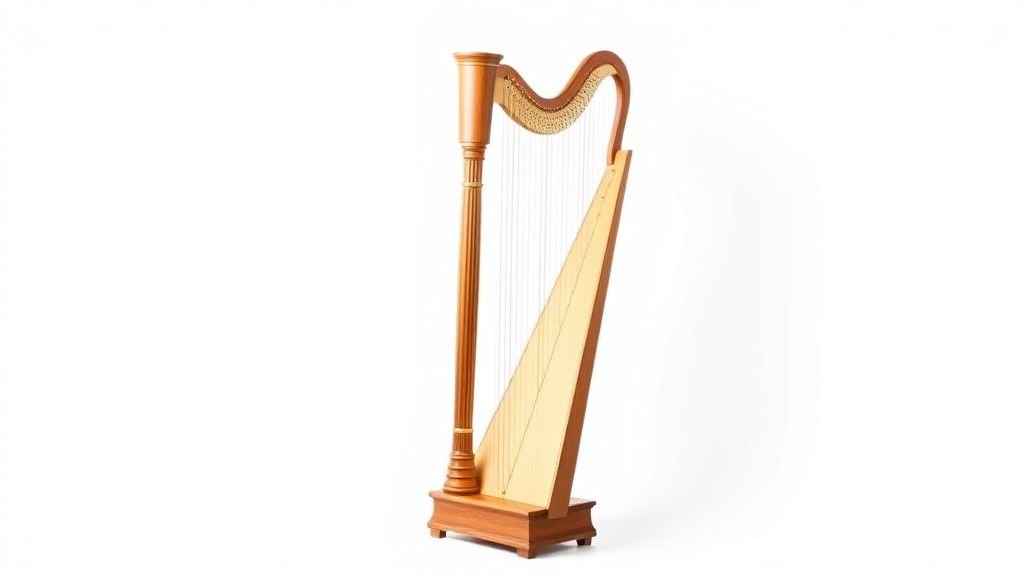
Why Your Harp Needs a Humidifier: A Deep Dive
The Importance of Humidity for Harps
Harps, whether lever or pedal, are primarily made of wood—a material highly sensitive to environmental changes. Fluctuations in humidity can cause wood to expand, contract, warp, or even crack, leading to costly repairs or irreversible damage. Maintaining stable humidity levels (ideally between 40-60%) is crucial for preserving your harp’s structural integrity, tuning stability, and tonal quality.
A humidifier helps regulate moisture levels, preventing the wood from drying out in arid climates or over-absorbing moisture in damp conditions. Without proper humidity control, you may notice buzzing strings, loose joints, or a compromised soundboard—issues that can hinder playability and shorten your harp’s lifespan.
Types of Humidifiers for Harps
Not all humidifiers are created equal. Here’s a breakdown of the most effective types for harp care:
1. Soundboard Humidifiers
These attach directly to the harp’s soundboard or fit inside the instrument (for larger harps). They typically use absorbent sponges or gel packs that release moisture slowly.
- Pros: Targeted humidity control, easy to monitor.
- Cons: Requires regular refilling; may not be sufficient for very dry environments.
2. Room Humidifiers
A standalone unit that humidifies the entire room where the harp is stored or played.
- Pros: Covers multiple instruments, low maintenance.
- Cons: Less precise for the harp alone; may require a hygrometer to monitor levels.
3. Case Humidifiers
Small, portable humidifiers designed to fit inside a harp case. Ideal for traveling harpists.
- Pros: Protects the harp during transport, compact.
- Cons: Limited capacity; needs frequent refills.
4. Dampit-Style Humidifiers
Flexible tube humidifiers inserted into sound holes (common in pedal harps).
- Pros: Simple, effective for soundhole-equipped harps.
- Cons: Requires careful insertion to avoid damage.
How to Use a Humidifier Effectively
- Monitor Humidity Levels – Use a hygrometer to track humidity near your harp. Aim for 40-60% RH (Relative Humidity).
- Placement Matters – For soundboard humidifiers, position them where they won’t drip or touch delicate wood finishes.
- Refill Regularly – Check water levels weekly (or as needed) to ensure consistent moisture release.
- Seasonal Adjustments – Winter heating and summer AC can drastically alter humidity; adjust humidifier use accordingly.
Signs Your Harp Needs a Humidifier
- Cracks or splits in the wood (especially near joints or the soundboard).
- Sharp fretboard edges from shrinking wood.
- Tuning instability due to wood movement.
- Buzzing strings caused by shifting components.
If you notice any of these, act quickly—preventative care is far easier than repairs.
What to Look for When Buying a Humidifier
Choosing the right humidifier depends on your harp’s size, environment, and storage conditions. Here’s what to consider:
- Compatibility – Ensure it fits your harp’s design (e.g., soundhole vs. soundboard placement).
- Capacity – Larger harps or dry climates may need higher-capacity humidifiers.
- Ease of Maintenance – Look for models with easy refill systems and minimal leakage risk.
- Hygrometer Integration – Some humidifiers include built-in humidity sensors for convenience.
- Portability – If you travel frequently, opt for a case-friendly option.
Final Thoughts
A humidifier isn’t just an accessory—it’s an essential tool for protecting your harp’s longevity and performance. Whether you opt for a soundboard humidifier, a room unit, or a travel-friendly case model, consistent humidity control will keep your harp sounding its best for years to come.
Invest in a quality humidifier today, and your harp will thank you with beautiful, stable music tomorrow.
Our picks worth a closer look
- Roosebeck Harp String Set, 19, F - CCheck on Amazon → — see current price and specs.
- Roosebeck Harp 26-String Set F - CCheck on Amazon → — see current price and specs.
- Harp Seal Painting Wallpaper Cooling Neck Gaiter Summer UV Dust Mask Breathable Check on Amazon → — see current price and specs.
- Sorandy Acoustic Guitar Humidifier, Sponge Moisturizer, Water Injection HumidifiCheck on Amazon → — see current price and specs.
- Hamwesh Small Harp, Handmade Basswood 25cm Miniature Musical Instruments Lap HarCheck on Amazon → — see current price and specs.