
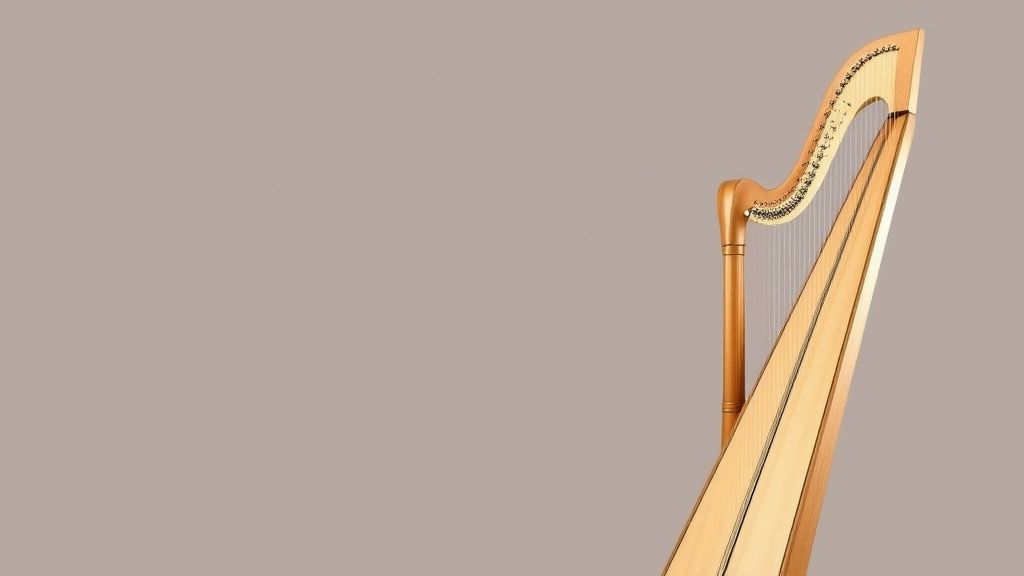
Understanding Harp Sizes: Choosing the Right Fit
Selecting the right harp size is crucial for comfort, playability, and musical expression. Harps vary in size, string count, and weight, making it essential to match the instrument to the player’s needs—whether for practice, performance, or portability. This guide explores harp sizes, their differences, and how to choose the best fit.
Harp Sizes and Their Differences
Harps are broadly categorized by height, string count, and range. Here’s a breakdown of common sizes:
1. Small Harps (Lever or Folk Harps)
- Height: 22–34 inches (56–86 cm)
- String Count: 19–26 strings
- Range: 2–3 octaves
- Best For: Beginners, children, travel, or casual play
Small harps, often called lever harps or folk harps, are lightweight (typically 5–15 lbs) and portable. They have levers on each string to change keys, making them versatile for folk, Celtic, and therapeutic music.
2. Mid-Sized Harps
- Height: 34–42 inches (86–107 cm)
- String Count: 26–34 strings
- Range: 3–4 octaves
- Best For: Intermediate players, small performances
Mid-sized harps offer a fuller range than smaller models while remaining manageable in weight (15–25 lbs). They’re ideal for students advancing beyond basic melodies and are often used in chamber music or as practice instruments for pedal harpists.
3. Large Lever Harps
- Height: 42–48 inches (107–122 cm)
- String Count: 34–38 strings
- Range: 4–5 octaves
- Best For: Advanced players, professional performances
Large lever harps provide a near-concert range without pedals. They suit serious musicians who need extended range but prefer the simplicity of lever mechanisms. These harps weigh 25–40 lbs and may require a padded case for transport.
4. Pedal Harps (Concert Grand Harps)
- Height: 70–75 inches (178–191 cm)
- String Count: 40–47 strings
- Range: 6.5 octaves
- Best For: Professional orchestral or solo performances
Pedal harps are the largest and heaviest (75–90 lbs), featuring pedal mechanisms to change keys instantly. They’re standard in classical music but require significant space and maintenance.
Factors to Consider When Choosing a Harp Size
1. Player’s Height and Arm Reach
- A harp should allow comfortable reach to all strings without straining.
- Test: Sit with the harp—your hands should naturally rest near the middle strings.
2. Playing Style and Repertoire
- Folk or therapeutic music: A small or mid-sized lever harp suffices.
- Classical or orchestral work: Opt for a pedal harp or large lever harp.
3. Portability Needs
- Frequent travel? A smaller harp (under 30 lbs) with a lightweight case is best.
- Studio or home use? Larger harps can stay stationary.
4. Budget and Long-Term Goals
- Beginners may start with a 26-string harp and upgrade later.
- Professionals should invest in a pedal harp or high-quality lever harp with extended range.
What to Look for in a Harp
When evaluating harps, consider these key features:
1. String Material and Tension
- Nylon: Softer feel, gentler on fingers (common in lever harps).
- Gut: Warmer tone but requires more maintenance (used in pedal harps).
- Wire: Found in historical or specialty harps (e.g., Irish wire-strung harps).
2. Wood Quality and Construction
- Laminated wood: Durable and affordable, ideal for beginners.
- Solid wood: Better resonance and tone, preferred by professionals.
3. Lever or Pedal Mechanism
- Lever harps: More affordable and portable but limited in key changes.
- Pedal harps: Full chromatic flexibility but heavier and costlier.
4. Weight and Stability
- Check the harp’s center of gravity—some models include stabilizing feet.
- Ensure the weight aligns with your ability to move or transport it.
Final Tips for Choosing the Right Harp
- Try before buying: Visit a showroom or harp festival to test sizes.
- Consult a teacher: They can recommend a harp suited to your skill level and goals.
- Consider future needs: A slightly larger harp may prevent a quick upgrade.
Choosing the right harp size ensures comfort, playability, and musical growth. Whether you prioritize portability or performance range, understanding these options will help you find the perfect fit.
Our picks worth a closer look
- Spare Tire Cover 14 Inch Harp Seal Painting Wheel Protectors Dust-Proof Sun ProtCheck on Amazon → — see current price and specs.
- Spare Tire Cover 14 Inch Music Background with Harp and Butterfly Wheel ProtectoCheck on Amazon → — see current price and specs.
- Spare Tire Cover 15 Inch Music Background with Harp and Butterfly Wheel ProtectoCheck on Amazon → — see current price and specs.
- Basic Harp for BeginnersCheck on Amazon → — see current price and specs.
- First Harp Book – Bety Paret | Harp Sheet Music for Beginners | Folk and ClassicCheck on Amazon → — see current price and specs.