
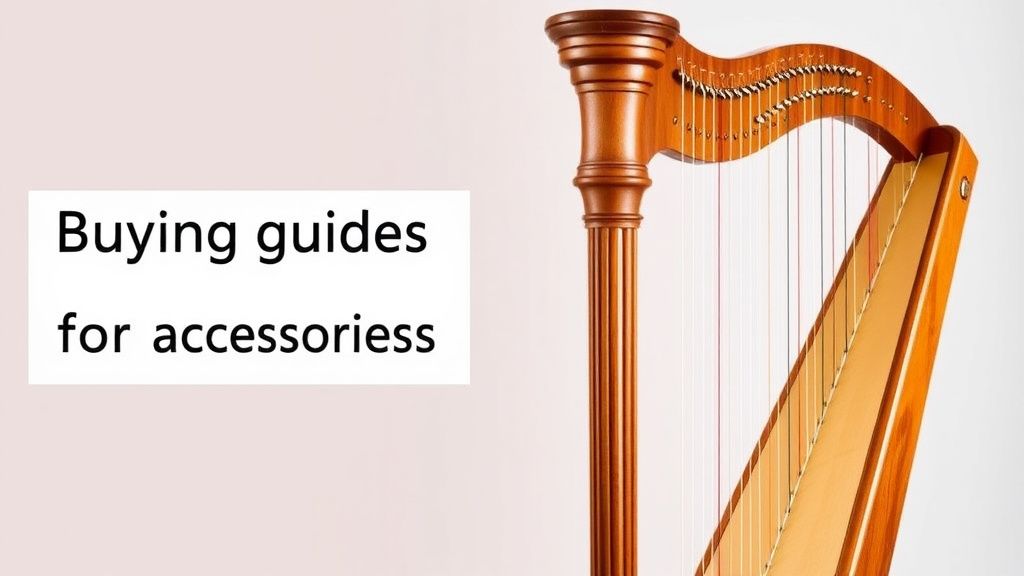
What Are Harp Levers?
Harp levers, also known as sharping levers or semitone levers, are small mechanisms attached to the neck of a lever harp. They allow harpists to change the pitch of individual strings by a semitone (half step), effectively enabling the harp to play in different keys without retuning. These levers are essential for expanding the versatility of lever harps, making them suitable for a wider range of musical styles and compositions.
Lever harps are distinct from pedal harps, which use pedals to change pitch. While pedal harps are typically larger and more complex, lever harps are often preferred for their portability and affordability. Harp levers are a defining feature of lever harps, and understanding their function is crucial for beginners.
Types of Harp Levers
There are several types of harp levers available, each with its own design and functionality. The most common types include:
-
Camac Levers: Known for their smooth operation and durability, Camac levers are a popular choice among harpists. They are designed to minimize noise when engaged and disengaged, ensuring a clean sound.
-
Loveland Levers: These levers are praised for their precision and ease of use. Loveland levers are often found on mid-range lever harps and are a reliable option for beginners.
-
Sharping Pins: While not technically levers, sharping pins are a simpler alternative. They are manually rotated to change the pitch of a string. While less convenient than levers, they are more affordable and can be found on entry-level harps.
-
Rees Levers: These levers are designed for durability and ease of adjustment. Rees levers are often used on custom or handmade harps and are favored by professional harpists.
How Harp Levers Work
Harp levers are installed on the neck of the harp, typically at the point where the strings pass through the tuning pins. Each lever corresponds to a specific string. When the lever is engaged, it shortens the vibrating length of the string, raising its pitch by a semitone. When disengaged, the string returns to its original pitch.
The levers are operated manually, either by flipping them up or down, depending on the design. Some levers are designed to stay in place securely, while others may require occasional adjustment to ensure they remain in the correct position.
Why Are Harp Levers Important?
Harp levers significantly enhance the functionality of lever harps. Without levers, a harpist would need to manually retune each string to play in different keys, which is impractical during performances or practice sessions. Levers allow for quick and seamless key changes, making it easier to play complex pieces or adapt to different musical contexts.
Additionally, harp levers make lever harps more accessible to beginners. While pedal harps offer greater range and flexibility, they are also more expensive and require advanced technique. Lever harps with levers provide a balance of versatility and affordability, making them an excellent choice for those new to the instrument.
What to Look for in Harp Levers
When choosing a lever harp or upgrading its levers, there are several factors to consider:
-
Quality and Durability: Look for levers made from high-quality materials, such as stainless steel or brass, to ensure longevity. Avoid levers that feel flimsy or prone to breaking.
-
Ease of Use: Test the levers to ensure they operate smoothly and securely. Levers that are difficult to engage or disengage can disrupt playing.
-
Noise Level: Some levers produce audible clicks when engaged or disengaged, which can be distracting during performances. Opt for levers designed to minimize noise.
-
Compatibility: Ensure the levers are compatible with your harp’s string spacing and size. Custom levers may be required for certain harp models.
-
Brand Reputation: Stick to reputable lever brands like Camac, Loveland, or Rees, which are known for their reliability and performance.
-
Installation: If you’re adding levers to an existing harp, consider whether you need professional installation. Some levers are easier to install than others, and incorrect installation can affect the harp’s playability.
Maintaining Your Harp Levers
Proper maintenance is essential to keep your harp levers functioning smoothly. Regularly inspect the levers for signs of wear or damage, such as rust or loose screws. Lubricate the levers as needed to ensure smooth operation, but avoid using excessive oil, which can attract dust and debris.
If you notice any issues with your levers, such as difficulty engaging or unusual noise, address them promptly. Minor adjustments or repairs can often prevent more significant problems down the line.
Conclusion
Harp levers are a vital component of lever harps, providing the flexibility needed to play in various keys and musical styles. Understanding the different types of levers, their functionality, and what to look for when purchasing or upgrading can help you make informed decisions as a beginner harpist. By choosing high-quality levers and maintaining them properly, you can enhance your playing experience and ensure your harp remains in excellent condition for years to come. Whether you’re practicing at home or performing on stage, harp levers are your key to unlocking the full potential of your instrument.
Our picks worth a closer look
- 50 Irish Melodies for All Harps | Harp Sheet Music Songbook for Lever and Pedal Check on Amazon → — see current price and specs.
- Stairway to Heaven | Harp Sheet Music Arrangement for Lever and Pedal Harp | SylCheck on Amazon → — see current price and specs.
- World of Harmony Music; Child’s Play ~ A Beginner’s Collection of 28 Favorite ChCheck on Amazon → — see current price and specs.
- First 50 Songs You Should Play on Harp Easy Sheet Music for Pedal and Lever HarpCheck on Amazon → — see current price and specs.
- Roosebeck 19-String Pixie Harp w/Shelby LeversCheck on Amazon → — see current price and specs.