
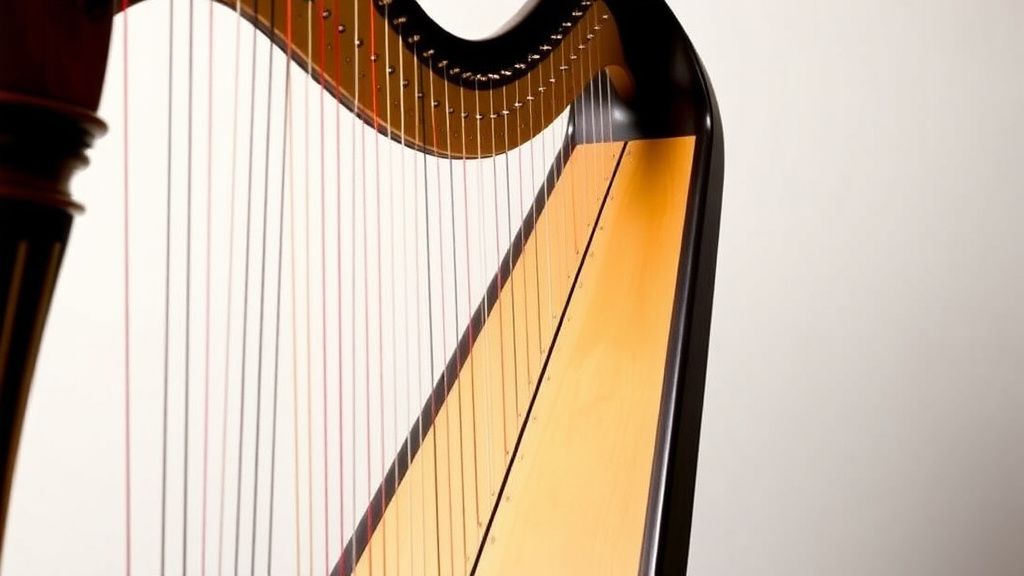
Understanding Lever Harps: A Beginner’s Introduction
Lever harps, also known as Celtic harps, are a popular choice for beginners due to their portability, affordability, and versatility. Unlike pedal harps, lever harps use sharping levers to change the pitch of individual strings, making them ideal for folk, classical, and contemporary music. They typically range from 22 to 36 strings, with smaller models being more manageable for beginners.
When choosing your first lever harp, consider the type of music you want to play, your budget, and where you’ll be practicing. Smaller harps (22-26 strings) are great for casual players or those with limited space, while larger harps (27-36 strings) offer a broader range and are better suited for advanced beginners or those planning to perform.
Key Features to Consider
1. String Count and Range
The number of strings determines the harp’s range and versatility. A 22-string harp is compact and easy to learn on, but its limited range may restrict your repertoire. A 34- or 36-string harp offers a wider range, allowing you to play more complex pieces. For beginners, a 26- or 27-string harp is often the sweet spot, balancing playability and musical potential.
2. Levers
Levers allow you to change the pitch of individual strings, enabling you to play in different keys. Look for harps with high-quality levers that are easy to operate and stay in tune. Some harps come with levers pre-installed on all strings, while others allow you to add levers later as your skills progress.
3. Wood Type
The type of wood used affects the harp’s tone, durability, and aesthetics. Common woods include maple, cherry, and mahogany, each offering distinct tonal qualities. Maple produces a bright, clear sound, while mahogany has a warmer, richer tone. Consider the wood’s appearance as well, as it contributes to the harp’s visual appeal.
4. Weight and Portability
Lever harps are generally lightweight, but their weight can vary depending on size and materials. If you plan to transport your harp frequently, opt for a lighter model or one with a padded carrying case. Larger harps may require a stand or trolley for easy movement.
5. Sound Quality
Sound quality is subjective, but it’s essential to choose a harp that resonates with you. Listen to audio samples or try out different models to compare their tone, sustain, and volume. A harp with good projection will sound better in larger spaces, while a softer tone may be more suitable for intimate settings.
Essential Accessories for Your Lever Harp
1. Harp Stand
A sturdy harp stand keeps your instrument secure and at the right height for comfortable playing. Look for adjustable stands that accommodate different harp sizes and provide stability on uneven surfaces.
2. Tuner
Keeping your harp in tune is crucial for developing your ear and enjoying your practice sessions. A chromatic tuner or harp-specific tuner is a must-have accessory. Some tuners clip onto the harp or use a microphone to detect pitch, while others connect directly to the soundboard.
3. Humidifier
Wooden harps are sensitive to changes in humidity, which can cause cracking or warping. A hygrometer helps monitor humidity levels, and a humidifier maintains optimal conditions, especially in dry climates.
4. Harp Bench
A comfortable bench at the correct height promotes good posture and reduces fatigue during long practice sessions. Adjustable benches allow you to customize the height to suit your playing position.
5. Practice Gear
Consider accessories like a music stand, metronome, and finger picks to enhance your practice experience. A soft cloth for cleaning the strings and soundboard will help maintain your harp’s appearance and performance.
What to Look for When Buying Your First Lever Harp
1. Playability
Choose a harp that feels comfortable to play, with strings that are easy to pluck and levers that operate smoothly. If possible, try out different models in person to assess their playability.
2. Build Quality
Inspect the craftsmanship, including the finish, joint connections, and overall stability. A well-built harp will last longer and provide a better playing experience.
3. Warranty and Support
Look for harps that come with a warranty or guarantee, as this reflects the manufacturer’s confidence in their product. Good customer support is also essential for addressing any issues or questions you may have.
4. Budget
Set a realistic budget that includes the harp and essential accessories. While it’s tempting to opt for the cheapest option, investing in a higher-quality harp can save you money in the long run by reducing maintenance costs and the need for upgrades.
5. Resale Value
Consider the harp’s resale value, especially if you plan to upgrade to a larger model in the future. Well-known brands and models with a good reputation tend to hold their value better.
Final Thoughts
Buying your first lever harp is an exciting step in your musical journey. By considering factors like string count, levers, wood type, and accessories, you can find a harp that suits your needs and inspires your creativity. Take your time to research and try out different models, and don’t hesitate to seek advice from experienced harpists or teachers. With the right instrument and a commitment to practice, you’ll be well on your way to mastering the beautiful art of harp playing.
Our picks worth a closer look
- First 50 Songs You Should Play on Harp Easy Sheet Music for Pedal and Lever HarpCheck on Amazon → — see current price and specs.
- First Harp Book – Bety Paret | Harp Sheet Music for Beginners | Folk and ClassicCheck on Amazon → — see current price and specs.
- 50 Irish Melodies for All Harps | Harp Sheet Music Songbook for Lever and Pedal Check on Amazon → — see current price and specs.
- 76 Disney Songs for the Harp Arranged by Sylvia Woods | Harp Sheet Music SongbooCheck on Amazon → — see current price and specs.
- 22 Romantic Songs for the Harp | Intermediate Harp Sheet Music for Lever and PedCheck on Amazon → — see current price and specs.