The Ultimate Guide to Buying a Used Harp: Tips for Smart Shopping
Buying a used harp can be a fantastic way to own a high-quality instrument without the steep price tag of a new one. However, purchasing a pre-owned harp requires careful consideration to ensure you get a reliable and playable instrument. Whether you’re a beginner or an experienced harpist, this guide will help you navigate the used harp market with confidence.
Types of Used Harps
Before diving into the buying process, it’s important to understand the different types of harps available on the used market. Each type has unique characteristics that affect playability, maintenance, and price.
Lever Harps (Celtic or Folk Harps)
Lever harps are popular among beginners and intermediate players due to their portability and affordability. They typically have 22 to 38 strings and use levers to change keys. Used lever harps are widely available, but their condition can vary significantly. Look for models from reputable makers like Dusty Strings, Camac, or Lyon & Healy.
Pedal Harps (Concert Harps)
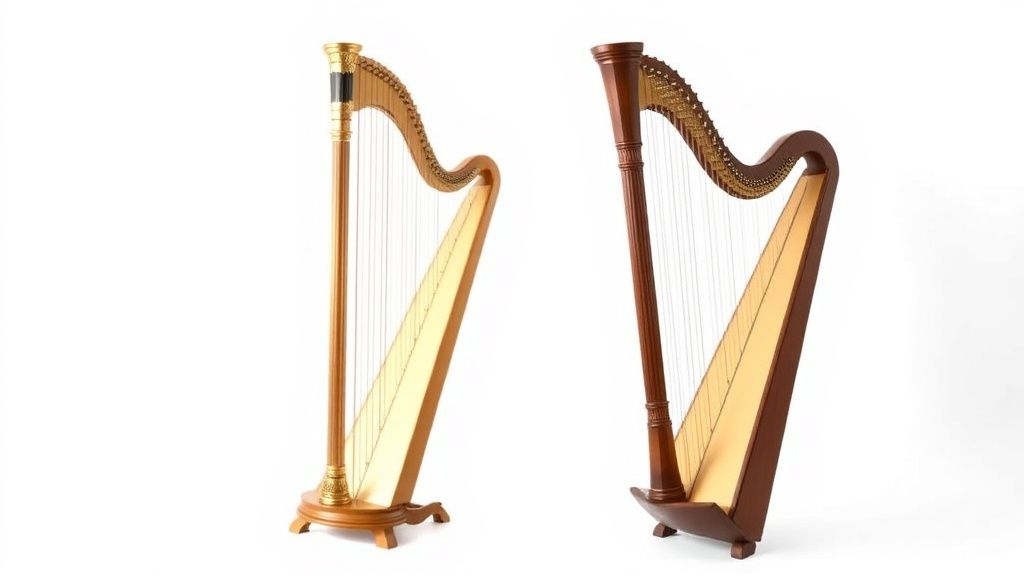
Pedal harps are the standard for professional harpists, featuring 40 to 47 strings and a complex pedal mechanism for key changes. Used pedal harps can be expensive even secondhand, but they’re often well-maintained. Brands like Lyon & Healy, Salvi, and Camac dominate this market.
Electric Harps
Less common but growing in popularity, electric harps are often used in contemporary music. If buying used, check the electronics for wear and ensure all pickups and outputs function properly.
Where to Buy a Used Harp
Specialty Music Stores
Some harp shops sell refurbished or consignment harps. These often come with warranties or servicing agreements, making them a safer choice.
Online Marketplaces
Websites like eBay, Reverb, or Harp Column Classifieds list used harps, but always verify the seller’s reputation and request detailed photos/videos.
Private Sellers
Buying directly from a harpist can yield great deals, but inspect the harp thoroughly before committing.
What to Look for in a Used Harp
Structural Integrity
- Soundboard: Check for cracks, warping, or water damage. A compromised soundboard affects tone and may require costly repairs.
- Neck & Pillar: Ensure there are no splits or loose joints. The neck should be straight, and the pillar should be firmly attached.
- Base & Body: Look for dents, scratches, or signs of poor storage (e.g., mold or insect damage).
Mechanical Condition
- Levers or Pedals: Test every lever or pedal for smooth operation. Sticking or misaligned levers may need adjustment.
- Tuning Pins: Ensure they turn easily without slipping. Worn pins can make tuning difficult.
- Strings: Check for rust, fraying, or missing strings. Replacing a full set can be expensive.
Playability & Sound
- Play each string to assess tone quality. Listen for buzzing, dead spots, or inconsistent resonance.
- Test the action—the harp should feel comfortable under your fingers without excessive tension.
Maintenance History
Ask for records of past repairs, restringing, or servicing. A well-documented harp is usually a safer bet.
Common Pitfalls to Avoid
Ignoring Shipping & Transport
Harp shipping is expensive and risky. If buying remotely, factor in professional packing and insurance costs.
Overlooking Hidden Costs
A used harp may need immediate repairs, new strings, or regulation (adjusting levers/pedals). Budget for these potential expenses.
Skipping a Professional Inspection
If possible, have a harp technician inspect the instrument before purchase—especially for pedal harps, where mechanical issues can be costly.
Negotiating the Price
Used harps vary widely in price based on age, condition, and brand. Research comparable models to gauge fair market value. If repairs are needed, use them as leverage for a lower price.
Final Checklist Before Buying
- Inspect thoroughly (or hire a professional).
- Play-test the harp to confirm sound and mechanics.
- Verify the seller’s credibility (reviews, references, or shop reputation).
- Confirm return policies (if applicable).
- Plan for transport to avoid last-minute hassles.
Conclusion
A used harp can be a wonderful investment if you take the time to evaluate it carefully. By understanding the different types of harps, knowing where to look, and inspecting key components, you can make a smart purchase that brings years of musical joy. Happy harp hunting!
Our picks worth a closer look
- Hape Happy Harp Kid’s Musical Instrument | Award Winning Wooden Lap Harp Toy forCheck on Amazon → — see current price and specs.
- How To Play Lap Harp: The Ultimate Beginner’s Guide to Learning the Lap Harp witCheck on Amazon → — see current price and specs.
- Basic Harp for BeginnersCheck on Amazon → — see current price and specs.
- First Harp Book – Bety Paret | Harp Sheet Music for Beginners | Folk and ClassicCheck on Amazon → — see current price and specs.
- 50 Irish Melodies for All Harps | Harp Sheet Music Songbook for Lever and Pedal Check on Amazon → — see current price and specs.