
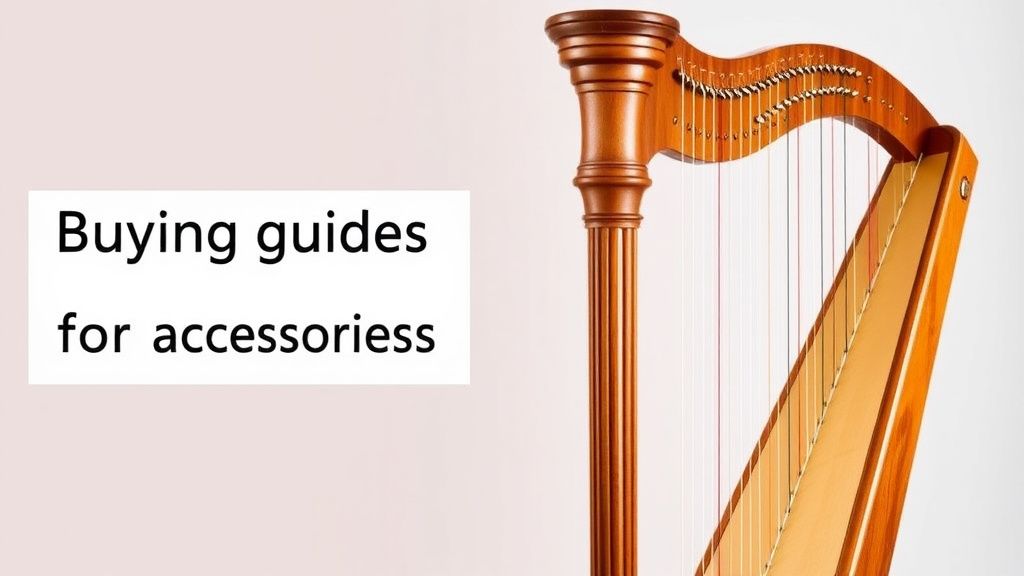
The History of the Harp: A Brief Overview
The harp is one of the oldest musical instruments, with a rich history spanning thousands of years. From ancient civilizations to modern concert halls, its ethereal sound has captivated audiences and inspired musicians. This article explores the harp’s evolution, key developments, and how historical innovations influence the instruments harpists play today.
Ancient Origins
The earliest harps appeared in Mesopotamia and Egypt around 3000 BCE. These instruments, known as arched harps, featured a curved neck and a resonating body made of wood or tortoiseshell. Ancient Egyptian tomb paintings frequently depict harps, suggesting their importance in religious and ceremonial music.
By 2000 BCE, the angular harp emerged in Assyria and Babylon. Unlike arched harps, angular harps had a sharper angle between the neck and soundbox, allowing for greater string tension and a brighter tone. These early harps were small, often played while held in the lap.
The Medieval and Renaissance Harp
During the Middle Ages, harps evolved significantly in Europe. The Gothic harp, popular from the 9th to 14th centuries, introduced a taller, triangular frame with gut strings. These harps were often ornately carved and played by troubadours in royal courts.
The Renaissance harp (15th–17th centuries) saw further refinements, including double-strung harps with two parallel rows of strings for chromatic playing. This innovation laid the groundwork for later lever and pedal harps.
The Birth of the Pedal Harp
The single-action pedal harp, invented by Jacob Hochbrucker in 1720, revolutionized harp design. Foot pedals allowed players to change the pitch of strings, enabling more complex music. By 1810, Sébastien Érard perfected the double-action pedal harp, which could raise each string by two semitones, making fully chromatic playing possible.
Modern concert pedal harps retain this mechanism, with 47 strings and a range of over six octaves. They are the standard for orchestral and solo performances, with brands like Lyon & Healy and Salvi producing high-quality models.
The Lever Harp: A Portable Alternative
Lever harps (or Celtic harps) use sharping levers to change string pitch manually. Smaller and lighter than pedal harps, they are popular for folk music, therapy, and beginners. Lever harps range from 22 to 38 strings, with options like the Dusty Strings Ravenna or Camac Hermine offering portability without sacrificing tone.
Electric and Hybrid Harps
Modern advancements include electric harps, which use pickups to amplify sound, and hybrid harps, blending acoustic resonance with electronic effects. Brands like Camac and Lyon & Healy offer electro-acoustic models, ideal for contemporary and experimental music.
What to Look for in a Harp
When choosing a harp, consider:
- Type: Pedal harps suit classical players; lever harps are better for folk or travel.
- Size: Smaller harps (e.g., 26-string) are portable; concert pedal harps require space.
- Materials: Solid wood (mahogany, maple) offers richer sound than laminate.
- String tension: Higher tension provides volume but requires more finger strength.
- Accessories: Cases, tuning keys, and stands are essential for maintenance and transport.
Conclusion
From ancient Mesopotamia to modern stages, the harp’s evolution reflects both artistic and technological progress. Whether you seek a historical replica or a cutting-edge electric model, understanding the harp’s past helps in selecting the right instrument for your needs.
Our picks worth a closer look
- Basic Harp for BeginnersCheck on Amazon → — see current price and specs.
- First Harp Book – Bety Paret | Harp Sheet Music for Beginners | Folk and ClassicCheck on Amazon → — see current price and specs.
- 50 Irish Melodies for All Harps | Harp Sheet Music Songbook for Lever and Pedal Check on Amazon → — see current price and specs.
- 76 Disney Songs for the Harp Arranged by Sylvia Woods | Harp Sheet Music SongbooCheck on Amazon → — see current price and specs.
- 22 Romantic Songs for the Harp | Intermediate Harp Sheet Music for Lever and PedCheck on Amazon → — see current price and specs.