
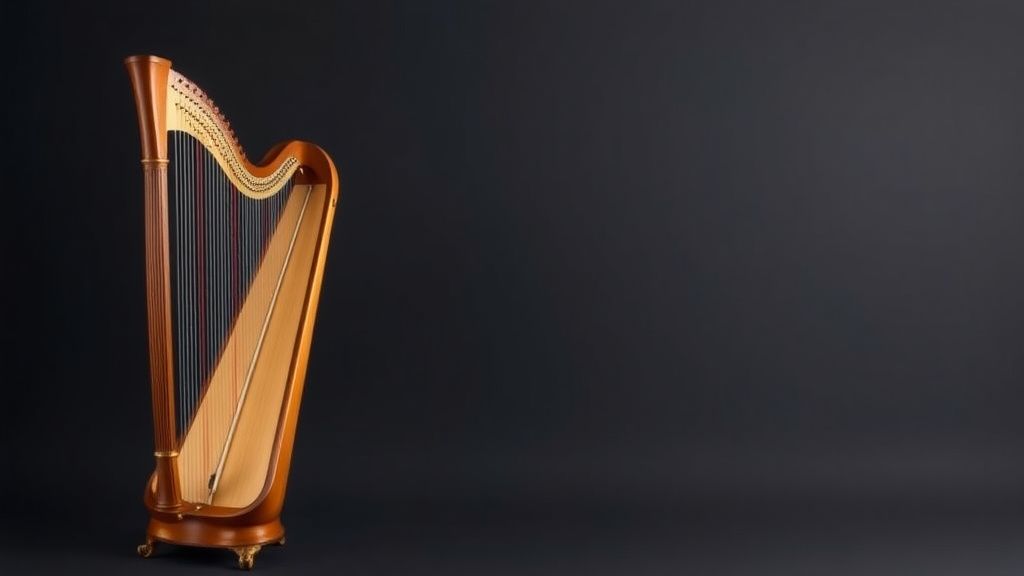
The Best Harp String Manufacturers Reviewed
Choosing the right harp strings is essential for achieving the best sound, playability, and longevity of your instrument. Whether you’re a beginner or a professional harpist, the quality of your strings can significantly impact your performance. In this guide, we review the top harp string manufacturers, their product offerings, and what makes them stand out.
1. Bow Brand (Lyon & Healy)
Bow Brand, produced by Lyon & Healy, is one of the most trusted names in harp strings. They offer a wide range of strings for pedal, lever, and historical harps.
Key Features:
- Materials: High-quality gut, nylon, and wire-wound bass strings.
- Consistency: Known for their uniform tension and durability.
- Variety: Available in different tensions (light, medium, heavy) to suit various playing styles.
Best For:
- Pedal harpists who need reliable, professional-grade strings.
- Those seeking gut strings with a warm, rich tone.
2. Salvi Harps Strings
Salvi, a renowned harp manufacturer, also produces high-quality strings designed specifically for their instruments but compatible with many others.
Key Features:
- Precision Engineering: Made to exact specifications for optimal resonance.
- Bass Strings: Copper-wound for deep, resonant lows.
- Nylon Options: Bright and clear, ideal for lever harps.
Best For:
- Salvi harp owners looking for perfectly matched strings.
- Players who prefer a balanced, articulate sound.
3. Camac Harps Strings
Camac offers strings tailored for both pedal and lever harps, with a focus on innovation and sustainability.
Key Features:
- Eco-Friendly Options: Some strings use synthetic materials designed to mimic gut while being more durable.
- Custom Gauges: Available in specialized tensions for unique harp models.
- Bass Wire Quality: High-tensile steel core with precise winding for clarity.
Best For:
- Environmentally conscious harpists.
- Those with non-standard harp designs requiring custom string lengths.
4. Pirastro (Oliv & Chorda)
Pirastro, famous for bowed instrument strings, also produces high-end gut strings for harps under the Oliv and Chorda lines.
Key Features:
- Premium Gut: Hand-selected and treated for superior tonal quality.
- Oliv Series: Dark, complex tones favored by professional orchestral players.
- Chorda Series: Brighter, more responsive gut strings for early music harps.
Best For:
- Classical and historical harpists seeking authentic gut string sound.
- Professionals who prioritize nuanced tonal expression.
5. Dusty Strings
Specializing in folk and lever harps, Dusty Strings provides durable, well-balanced strings for smaller harps.
Key Features:
- Nylon & Fluorocarbon: Bright, stable, and resistant to humidity changes.
- Pre-Measured Sets: Easy to install with consistent results.
- Affordability: A great option for hobbyists and students.
Best For:
- Folk and Celtic harp players.
- Beginners needing reliable, low-maintenance strings.
6. Jagwire (Wire Strings for Harps)
For harpists needing replacement wire strings (e.g., for cross-strung or historical harps), Jagwire offers precision-made options.
Key Features:
- High-Carbon Steel: Resistant to corrosion and breakage.
- Custom Gauges: Available for rare or custom harp designs.
- Consistent Winding: Smooth, buzz-free performance.
Best For:
- Players of cross-strung or double-strung harps.
- Restorers of antique harps needing exact wire string replacements.
What to Look for in Harp Strings
When selecting harp strings, consider the following factors:
-
Material:
- Gut: Warm, rich tone but sensitive to humidity.
- Nylon: Bright, stable, and affordable.
- Fluorocarbon: Similar to nylon but with added durability.
- Wire-Wound (Bass): Look for copper or silver-plated options for clarity.
-
Tension:
- Light tension for easier playability (ideal for beginners).
- Medium/heavy tension for louder projection (preferred by professionals).
-
Compatibility:
- Ensure the strings match your harp’s scale length and design.
- Check manufacturer recommendations if unsure.
-
Durability:
- Gut strings require more frequent replacement than synthetics.
- Wire-wound bass strings should resist unwinding.
-
Sound Preference:
- Gut and synthetic materials produce different tonal qualities—choose based on your musical style.
Final Thoughts
Investing in high-quality harp strings from reputable manufacturers ensures better sound, playability, and longevity for your instrument. Whether you prefer the warmth of gut, the brightness of nylon, or the precision of wire-wound bass strings, there’s a perfect option for your needs. Always consult your harp’s specifications and consider your playing style when making a selection.
By choosing from trusted brands like Bow Brand, Salvi, Camac, Pirastro, Dusty Strings, or Jagwire, you can be confident in the performance and reliability of your harp strings. Happy playing!
Our picks worth a closer look
- Roosebeck Harp String Set, 22, C - CCheck on Amazon → — see current price and specs.
- Roosebeck Harp String Set, 29, C - CCheck on Amazon → — see current price and specs.
- Roosebeck Harp String Set, 19, F - CCheck on Amazon → — see current price and specs.
- Roosebeck Harp 26-String Set F - CCheck on Amazon → — see current price and specs.
- Roosebeck 19-String Pixie Harp w/Shelby LeversCheck on Amazon → — see current price and specs.