
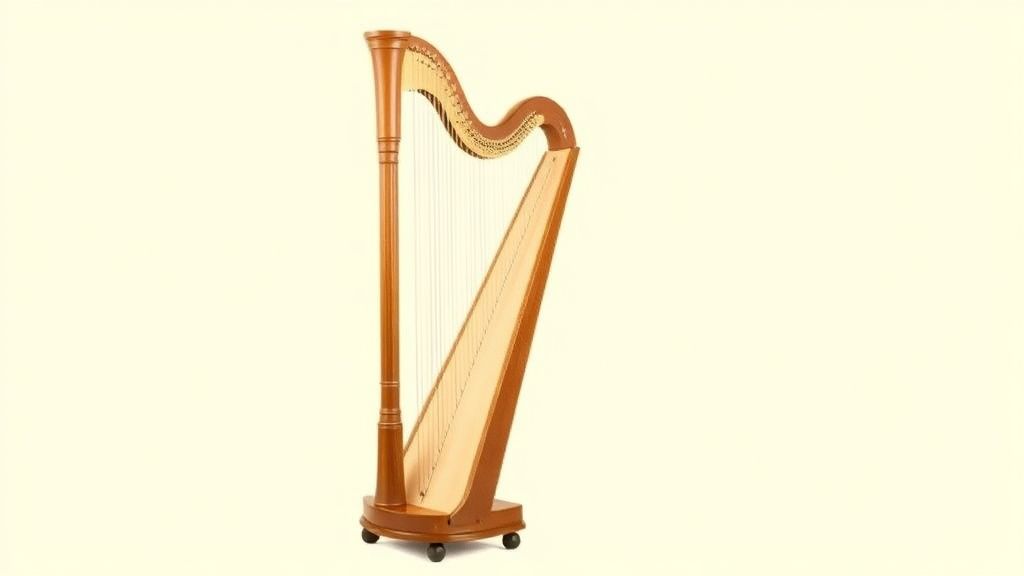
The Best Harp Repertoire for Beginners
Learning to play the harp is a rewarding journey, and choosing the right repertoire is essential for building confidence and technique. As a beginner, it’s important to start with pieces that are both accessible and enjoyable, allowing you to develop foundational skills without feeling overwhelmed. Below, we’ve curated a list of the best harp repertoire for beginners, along with tips on how to approach these pieces.
Why Start with Beginner Repertoire?
Beginner harp pieces are specifically designed to introduce you to fundamental techniques such as finger placement, hand coordination, and basic rhythms. They often feature simple melodies and minimal hand movement, making them ideal for building muscle memory and familiarity with the instrument. Starting with the right repertoire also ensures that you stay motivated and avoid frustration.
Recommended Beginner Harp Pieces
Here are some of the best pieces for beginners, categorized by type:
Traditional Folk Tunes
Folk tunes are a great starting point because they often feature repetitive melodies and simple structures.
- “Lavender’s Blue”: A classic English folk tune with a gentle melody that’s perfect for practicing finger placement.
- “Scarborough Fair”: This timeless ballad works beautifully on the harp and introduces basic arpeggio patterns.
- “Greensleeves”: A well-known melody that’s easy to learn and sounds elegant on the harp.
Classical Pieces
Classical music offers a wealth of beginner-friendly options, many of which have been adapted for the harp.
- “Minuet in G” by Bach: This piece is a staple for beginners and helps develop hand coordination.
- “Clair de Lune” by Debussy (simplified version): A simplified arrangement of this iconic piece introduces expressive playing.
- “Canon in D” by Pachelbel: A harp-friendly arrangement of this classic is perfect for practicing chord transitions.
Christmas Carols
Christmas carols are often simple and familiar, making them ideal for beginners.
- “Silent Night”: A serene melody that’s easy to play and perfect for holiday performances.
- “O Come, All Ye Faithful”: This carol introduces basic hand movements and chord progressions.
- “Joy to the World”: A cheerful tune that’s great for practicing rhythm and dynamics.
Original Harp Compositions
Some composers specialize in writing beginner-friendly harp pieces.
- “The Little Fountain” by Samuel Pratt: A charming piece that mimics the sound of flowing water, ideal for practicing finger agility.
- “Harp Solo” by Marcel Grandjany: A short, lyrical piece that introduces expressive playing techniques.
- “Etude for Harp” by Carlos Salzedo: A simple etude designed to improve finger strength and coordination.
Tips for Learning Beginner Pieces
- Start Slow: Take your time to learn each note and phrase correctly before increasing speed.
- Focus on Technique: Pay attention to hand position, finger placement, and posture to avoid bad habits.
- Use a Metronome: Practicing with a metronome helps develop a steady sense of rhythm.
- Break It Down: Divide the piece into smaller sections and master each one before putting it all together.
- Listen to Recordings: Listening to professional harpists play the same piece can provide inspiration and insight.
What to Look for in Beginner Harp Repertoire
When selecting pieces for beginners, consider the following factors:
- Difficulty Level: Choose pieces with simple melodies, minimal hand movement, and basic rhythms.
- Range: Look for pieces that don’t require extensive hand shifts or complex fingerings.
- Length: Shorter pieces are ideal for beginners, as they’re easier to learn and memorize.
- Musical Interest: Select pieces that you enjoy listening to and playing, as this will keep you motivated.
- Educational Value: Ensure the piece introduces new techniques or reinforces skills you’re working on.
Additional Resources for Beginners
- Harp Method Books: Books like “Teach Yourself to Play the Folk Harp” by Sylvia Woods or “The Harp Handbook” by Laurie Riley provide structured lessons and beginner-friendly pieces.
- Online Tutorials: Platforms like YouTube offer free tutorials for beginner harp pieces, often with visual demonstrations.
- Sheet Music Collections: Look for collections specifically designed for beginners, such as “First Harp Book” by Betty Paret or “Easy Classics for the Harp” by Sylvia Woods.
Final Thoughts
Choosing the right repertoire is crucial for a successful start on the harp. By beginning with accessible pieces and focusing on proper technique, you’ll build a strong foundation for future progress. Remember to be patient with yourself and enjoy the process of learning this beautiful instrument. With consistent practice and the right repertoire, you’ll soon be playing more advanced pieces with confidence. Happy harping!
Our picks worth a closer look
- Basic Harp for BeginnersCheck on Amazon → — see current price and specs.
- First Harp Book – Bety Paret | Harp Sheet Music for Beginners | Folk and ClassicCheck on Amazon → — see current price and specs.
- 50 Irish Melodies for All Harps | Harp Sheet Music Songbook for Lever and Pedal Check on Amazon → — see current price and specs.
- 76 Disney Songs for the Harp Arranged by Sylvia Woods | Harp Sheet Music SongbooCheck on Amazon → — see current price and specs.
- Harp Exercises for Speed and Agility By Deborah Friou | Finger Strength and HandCheck on Amazon → — see current price and specs.