
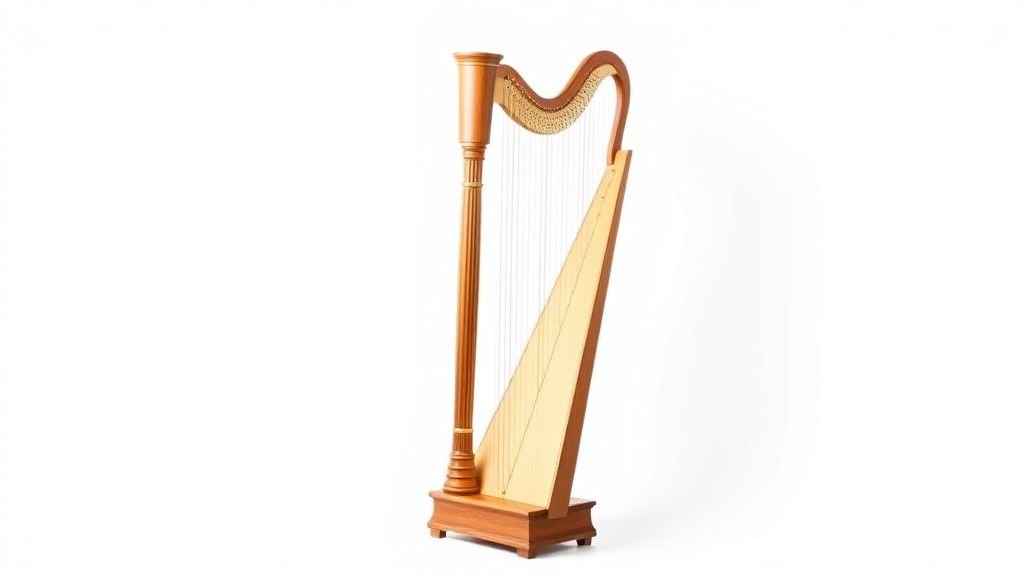
The Best Harp Method Books for Adults
Learning the harp as an adult can be a rewarding but challenging experience. Unlike children, adults often need method books that cater to their unique learning pace, musical goals, and prior experience (if any). Whether you’re a complete beginner or an intermediate player looking to refine your skills, the right method book can make all the difference. Below, we’ve compiled a list of the best harp method books for adults, along with key features and what to look for when choosing one.
Beginner Harp Method Books
1. Teach Yourself to Play the Folk Harp by Sylvia Woods
A classic for beginners, this book is ideal for those starting with the lever harp (folk harp). It covers basic techniques, hand positioning, and simple tunes, gradually introducing more complex concepts. The included CD helps with ear training and rhythm.
Key Features:
- Step-by-step lessons with clear illustrations
- Focus on folk and Celtic harp styles
- Includes exercises and familiar melodies
2. The Harp Handbook by Laurie Riley
Perfect for self-learners, this book combines technique, theory, and repertoire in an easy-to-follow format. It’s suitable for both lever and pedal harp beginners.
Key Features:
- Covers tuning, maintenance, and basic music theory
- Progressive exercises to build confidence
- Includes a mix of traditional and original pieces
3. Beginning the Harp by Yolanda Kondonassis
Though written by a renowned pedal harpist, this book is also useful for lever harpists. It emphasizes proper technique from the start, ensuring a strong foundation.
Key Features:
- Detailed explanations of hand position and posture
- Exercises to develop finger independence
- Suitable for classical and contemporary styles
Intermediate Harp Method Books
4. Method for the Harp by Alphonse Hasselmans
A staple for classical harpists, this book is best for those with some experience. It focuses on technical drills, scales, and arpeggios essential for pedal harp playing.
Key Features:
- Advanced fingerings and exercises
- Emphasis on precision and speed
- Used in many conservatory programs
5. Fun from the First! by Debbie Brewin-Wilson
This book is great for lever harpists transitioning to intermediate playing. It includes engaging pieces with varying difficulty levels.
Key Features:
- Mix of classical, folk, and popular tunes
- Encourages creativity with improvisation tips
- Helpful for ensemble playing
6. The Harpist’s Technique by Susann McDonald
A must-have for serious students, this book dives deep into advanced techniques like glissandos, harmonics, and pedal changes.
Key Features:
- Detailed breakdowns of complex techniques
- Exercises to improve agility and control
- Ideal for pedal harpists aiming for professional play
Specialized Harp Method Books
7. Celtic Harp for Beginners by Star Edwards
For those drawn to Celtic music, this book offers a structured approach to traditional tunes and ornamentation.
Key Features:
- Teaches characteristic Celtic techniques (e.g., damping, rolls)
- Includes historical context for pieces
- Suitable for lever harp
8. Jazz Harp by Park Stickney
A rare find for harpists interested in jazz improvisation and chord progressions. Best for intermediate to advanced players.
Key Features:
- Introduces jazz theory applied to harp
- Exercises for syncopation and swing rhythms
- Works for both lever and pedal harp
9. Therapeutic Harp for Beginners by Sarajane Williams
For those interested in playing harp for relaxation or healing, this book focuses on gentle techniques and meditative music.
Key Features:
- Simple, soothing repertoire
- Guidance on playing for therapy settings
- Suitable for all harp types
What to Look for in a Harp Method Book
When choosing a harp method book, consider the following:
- Skill Level – Ensure the book matches your current ability (beginner, intermediate, advanced).
- Harp Type – Some books are tailored for lever harp, pedal harp, or both.
- Musical Style – If you have a preference (e.g., classical, folk, jazz), pick a book that aligns with it.
- Technique Focus – Beginners should prioritize foundational skills, while advanced players may need specialized drills.
- Supplementary Materials – Books with audio tracks or online resources can enhance learning.
Final Thoughts
The right method book can accelerate your harp journey, providing structure, inspiration, and technical guidance. Whether you’re drawn to folk tunes, classical études, or jazz improvisation, there’s a book tailored to your needs. Start with one that matches your level and goals, and enjoy the process of mastering this beautiful instrument.
Our picks worth a closer look
- LOTKEY 19 Strings Harp, Solid Mahogany Harps 29” W/Gig Bag,Tuning Wrench,StrapsCheck on Amazon → — see current price and specs.
- VixxNoxx Lyre Harp, 16-String Mahogany Lyra Harp Kit, Stringed Musical InstrumenCheck on Amazon → — see current price and specs.
- VixxNoxx Lyre Harp, 19-String Mahogany Lyra Harp Kit, Stringed Musical InstrumenCheck on Amazon → — see current price and specs.
- LIEKE 7 String Lyre Harp Instrument with Tuning Wrench,Metal Strings,Bag, MahogaCheck on Amazon → — see current price and specs.
- GUEYYSAN 16 Strings Harp, Mahogany Harp with Plectrums Wood Color Lyre with TuneCheck on Amazon → — see current price and specs.