
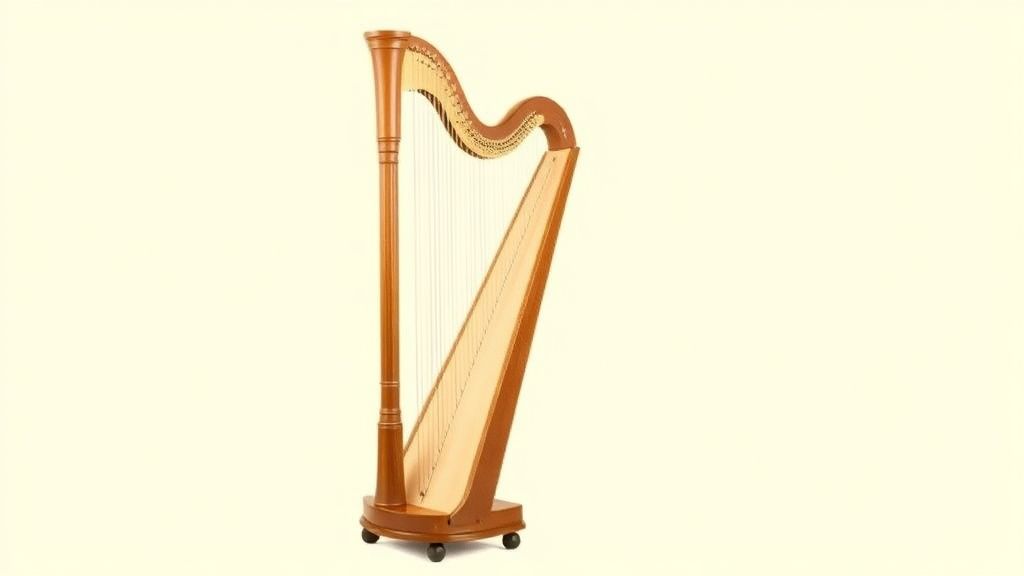
Why Renting a Harp First Is a Smart Move
Purchasing a harp is a significant investment, especially for beginners or those exploring a new harp type (lever, pedal, electric). Renting before buying offers several advantages—financial flexibility, the chance to test different models, and the opportunity to confirm your commitment to the instrument. Here’s why renting is often the wiser choice.
1. Financial Flexibility
Harp prices vary widely: beginner lever harps start at a modest range, while professional pedal harps can cost as much as a car. Renting allows you to:
- Spread out costs while saving for a purchase.
- Avoid depreciation risk if you later resell an ill-fitting model.
- Test higher-end models without the upfront expense.
Many rental programs apply a portion of fees toward a future purchase, making it a financially savvy trial period.
2. Finding the Right Harp for Your Needs
Not all harps suit every player. Renting lets you experiment with:
- Size and weight: Smaller lever harps (e.g., 26–34 strings) are portable but may lack range; larger models offer richer tones but demand space.
- String tension and responsiveness: Nylon vs. gut strings feel different under the fingers.
- Lever quality: Check for smooth, precise levers (e.g., Camac-style vs. Loveland) that don’t buzz or stick.
A rental period helps you identify preferences before committing.
3. Assessing Commitment Without Pressure
Learning the harp requires time and dedication. Renting lets you:
- Gauge practice consistency before investing.
- Explore genres (Celtic, classical, folk) to see which harp type fits your goals.
- Avoid buyer’s remorse if your interest wanes.
4. Testing Durability and Maintenance Needs
Harp upkeep varies by material and design. During a rental, observe:
- Wood stability: Solid wood harps (e.g., maple, cherry) react to humidity; laminates are more resilient.
- Tuning stability: Some harps hold pitch better than others.
- Hardware wear: Check for loose levers, sharp string ends, or bridge cracks.
These factors impact long-term ownership costs.
5. Access to Professional Guidance
Many rental programs include:
- Maintenance support (e.g., minor repairs, tuning advice).
- Upgrade paths to higher-tier models.
- Teacher recommendations to refine your preferences.
What to Look for in a Rental Harp
If you decide to rent, prioritize these features:
- Reputable Rental Source: Choose a provider specializing in harps (not general music stores) to ensure proper maintenance.
- Included Accessories: Confirm if the rental includes essentials like a tuner, stand, or padded case.
- Insurance Options: Verify coverage for damage or theft.
- Flexible Terms: Look for month-to-month agreements or rent-to-own options.
Transitioning from Rental to Purchase
Once you’re ready to buy, use your rental experience to inform your choice:
- Stick with the same model if it felt ideal.
- Upgrade selectively (e.g., more strings, better levers).
- Invest in care tools like humidifiers for wood harps or hygrometers for climate monitoring.
Renting demystifies the harp-buying process, ensuring your final purchase aligns with your musical journey. By testing first, you’ll avoid costly mistakes and find an instrument that truly resonates with you.
Our picks worth a closer look
- Roosebeck Harp String Set, 19, F - CCheck on Amazon → — see current price and specs.
- Roosebeck Harp 26-String Set F - CCheck on Amazon → — see current price and specs.
- Harp Seal Painting Wallpaper Cooling Neck Gaiter Summer UV Dust Mask Breathable Check on Amazon → — see current price and specs.
- Hamwesh Small Harp, Handmade Basswood 25cm Miniature Musical Instruments Lap HarCheck on Amazon → — see current price and specs.
- Basic Harp for BeginnersCheck on Amazon → — see current price and specs.