
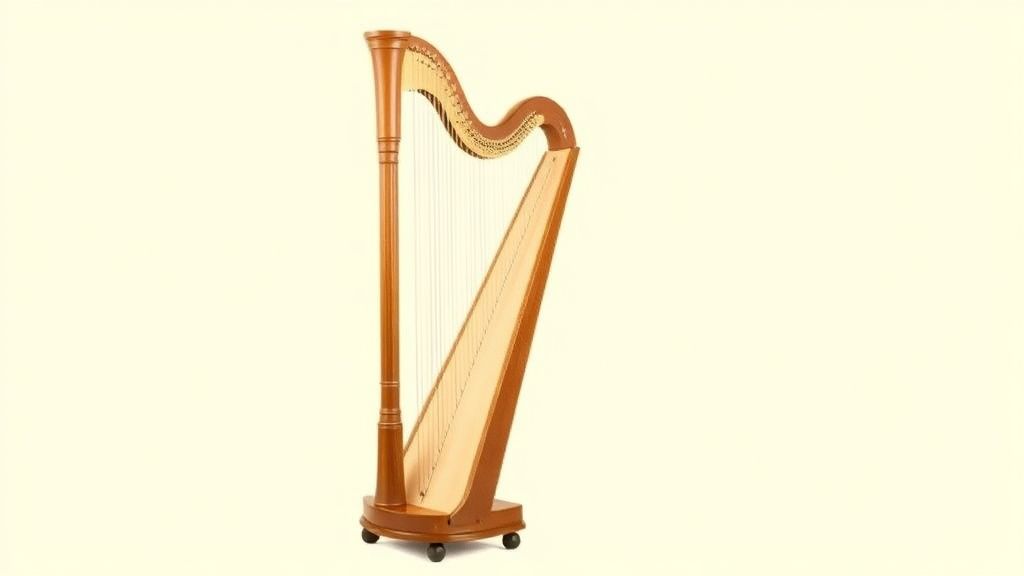
Why Choose Online Harp Lessons?
Online harp lessons have become an increasingly popular option for harpists of all skill levels. Whether you’re a beginner looking to learn the basics or an experienced player seeking to refine your technique, digital instruction offers flexibility, affordability, and access to expert teachers from around the world. With the right setup, online lessons can be just as effective as in-person instruction, allowing you to progress at your own pace while fitting lessons into your schedule.
However, not all online harp lessons are created equal. To get the most out of your digital learning experience, it’s important to choose the right platform, instructor, and equipment. This guide will walk you through everything you need to know to make an informed decision.
Types of Online Harp Lessons
Online harp lessons come in various formats, each catering to different learning styles and goals. Here are the most common types:
-
Live One-on-One Lessons: These are conducted via video conferencing platforms like Zoom or Skype. They offer personalized feedback and real-time interaction with a teacher. Ideal for beginners who need hands-on guidance and advanced players focusing on specific techniques.
-
Pre-Recorded Courses: These are self-paced video lessons that you can access anytime. They often include downloadable materials like sheet music and exercises. Great for those who prefer to learn independently or have unpredictable schedules.
-
Group Classes: These live sessions involve multiple students learning together. They’re a cost-effective option and provide a sense of community, though they may lack individualized attention.
-
Hybrid Models: Some platforms combine live sessions with pre-recorded content, offering the best of both worlds. This can be particularly useful for reinforcing concepts between lessons.
Essential Equipment for Online Harp Lessons
To ensure a smooth learning experience, you’ll need the right tools. Here’s a breakdown of the essential equipment:
-
Harp: Naturally, you’ll need a harp to practice on. For beginners, a lever harp is often the best choice due to its affordability and portability. Make sure your harp is properly tuned before each lesson.
-
Internet Connection: A stable, high-speed internet connection is crucial for live lessons. Buffering or dropped calls can disrupt the flow of instruction.
-
Computer or Tablet: A device with a good-quality camera and microphone is essential for clear communication with your teacher. A tablet can be particularly convenient if you want to view sheet music during lessons.
-
Headphones or External Speakers: These can help you hear your instructor more clearly and avoid feedback from your harp’s sound.
-
Music Stand: A sturdy music stand is important for holding your sheet music or device during lessons. Adjustable stands are ideal for finding the perfect viewing angle.
-
Tuner: Keeping your harp in tune is critical for effective practice. A clip-on tuner or tuning app can help you maintain proper pitch.
-
Lighting: Good lighting ensures your teacher can see your technique clearly. A ring light or adjustable lamp can make a big difference.
-
Recording Equipment: Recording your lessons lets you review them later. A simple smartphone or external microphone can suffice.
Choosing the Right Instructor
The quality of your online harp lessons largely depends on your instructor. Here are some factors to consider when selecting a teacher:
-
Experience: Look for instructors with a strong background in harp performance and pedagogy. Check their credentials and teaching history.
-
Specialization: Some teachers specialize in specific genres (e.g., classical, folk, jazz) or skill levels (e.g., beginner, advanced). Choose one whose expertise aligns with your goals.
-
Teaching Style: Every teacher has a unique approach. If possible, watch sample lessons or read reviews to get a sense of their teaching style.
-
Communication Skills: A good instructor should be able to explain concepts clearly and provide constructive feedback.
-
Availability: Ensure the teacher’s schedule aligns with yours, especially for live lessons.
Platforms for Online Harp Lessons
There are numerous platforms offering online harp lessons, each with its own features and benefits. Here are some popular options:
-
Dedicated Music Lesson Platforms: These platforms specialize in music education and often have a roster of experienced harp teachers. They may offer features like lesson scheduling, payment processing, and progress tracking.
-
General Video Conferencing Tools: Platforms like Zoom or Skype are commonly used for live lessons. They’re flexible but may lack specialized music-teaching features.
-
On-Demand Lesson Libraries: Some websites offer pre-recorded harp lessons that you can access anytime. These are ideal for self-paced learners.
-
Social Media and YouTube: Many harpists offer free or paid lessons through social media channels. While these can be useful, they may lack the structure of formal instruction.
What to Look for in Online Harp Lessons
When evaluating online harp lessons, keep the following tips in mind:
-
Course Content: Ensure the lessons cover the topics you’re interested in, whether it’s foundational skills, advanced techniques, or specific genres.
-
Interactive Features: For live lessons, look for platforms that allow screen sharing, annotation, and file sharing to enhance the learning experience.
-
Support Materials: Check if the lessons include supplementary materials like sheet music, practice exercises, and video demonstrations.
-
Trial Periods: Many platforms offer trial lessons or money-back guarantees. Take advantage of these to see if the lessons meet your needs.
-
Community Access: Some platforms provide access to forums or social groups where you can connect with other harpists. This can be a valuable resource for motivation and support.
-
Technical Support: Ensure the platform offers reliable technical support in case you encounter issues during lessons.
Maximizing Your Online Learning Experience
To get the most out of your online harp lessons, follow these best practices:
-
Set Goals: Clearly define what you want to achieve, whether it’s mastering a specific piece, improving your technique, or preparing for a performance.
-
Stay Consistent: Regular practice is key to progress. Create a practice schedule and stick to it.
-
Communicate with Your Teacher: Be open about your strengths, weaknesses, and goals. This will help your instructor tailor the lessons to your needs.
-
Record and Review: Record your lessons and practice sessions to identify areas for improvement.
-
Join a Community: Engage with other harpists online or in person to share tips, ask questions, and stay motivated.
Conclusion
Online harp lessons offer a convenient and effective way to learn or improve your harp skills. By choosing the right format, instructor, and equipment, you can create a personalized learning experience that fits your lifestyle and goals. With the tips and insights provided in this guide, you’re well-equipped to make informed decisions and embark on your musical journey with confidence.
Our picks worth a closer look
- Roosebeck Harp String Set, 19, F - CCheck on Amazon → — see current price and specs.
- Roosebeck Harp 26-String Set F - CCheck on Amazon → — see current price and specs.
- LOTKEY 19 Strings Harp, Solid Mahogany Harps 29” W/Gig Bag,Tuning Wrench,StrapsCheck on Amazon → — see current price and specs.
- PLAYING LYRE HARP FOR BEGINNERS: Unlock The Art Of Creating Enchanting Music WitCheck on Amazon → — see current price and specs.
- Harp Seal Painting Wallpaper Cooling Neck Gaiter Summer UV Dust Mask Breathable Check on Amazon → — see current price and specs.