
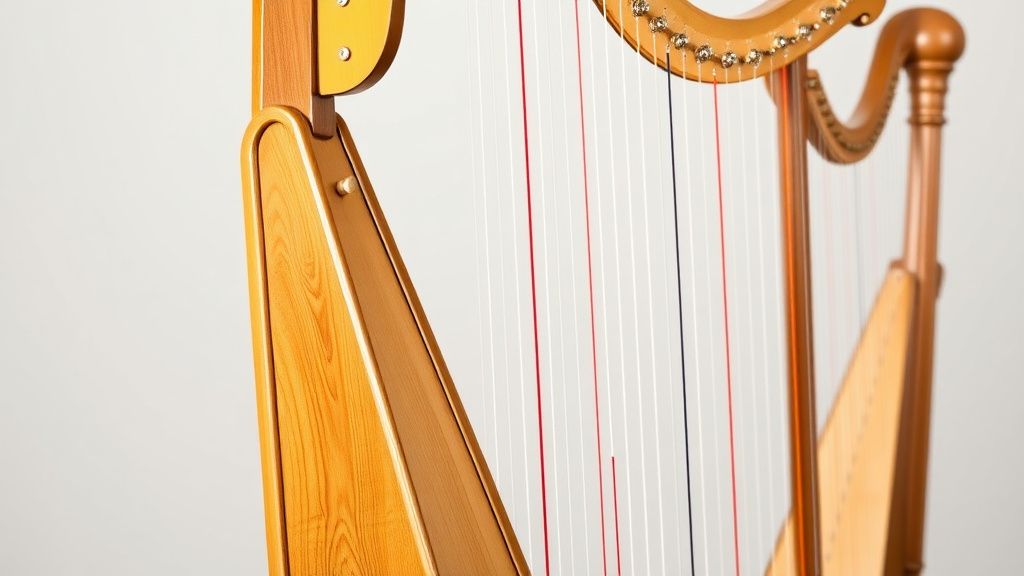
Maintaining Your Harp: Essential Cleaning and Care Tips
Why Regular Harp Maintenance Matters
A well-maintained harp not only sounds better but also lasts longer. Dust, humidity, and wear can affect tuning stability, string longevity, and even structural integrity. Whether you own a lever harp, pedal harp, or electric harp, proper care ensures optimal performance and preserves its beauty.
Cleaning the Harp Body
Dusting and Polishing
- Dust Removal: Use a soft, lint-free microfiber cloth to gently wipe down the harp’s wooden surfaces. Avoid feather dusters, which can scratch.
- Polishing: Apply a small amount of high-quality furniture polish (specifically formulated for musical instruments) to a cloth—never directly on the harp. Buff in the direction of the wood grain.
- Avoid Harsh Chemicals: Ammonia, alcohol, or silicone-based cleaners can damage finishes.
Cleaning the Soundboard
- Soft Brush or Cloth: Gently remove dust from the soundboard to prevent buildup that can dampen resonance.
- Damp Cloth (If Needed): For stubborn grime, lightly dampen a cloth with water, wring it out thoroughly, and wipe carefully. Dry immediately.
String Care and Maintenance
Wiping Down Strings
- After Playing: Oils from fingers can corrode strings over time. Wipe them down with a dry, clean cloth after each session.
- For Deep Cleaning: Use a string cleaner designed for harps or pianos. Apply sparingly and follow manufacturer instructions.
Preventing Corrosion
- Humidity Control: Excess moisture accelerates rust. Store your harp in a stable environment (40-60% humidity).
- Hand Hygiene: Wash hands before playing to minimize oil and dirt transfer.
When to Replace Strings
- Signs of Wear: Fraying, discoloration, or inconsistent tone indicate it’s time for a replacement.
- String Types Matter: Nylon strings last longer than gut; carbon fiber is durable but may require professional installation.
Lever and Pedal Maintenance
Lubricating Moving Parts
- Lever Harps: Apply a tiny amount of graphite or Teflon-based lubricant to pivot points if levers feel stiff. Avoid oil-based products, which attract dust.
- Pedal Harps: Check pedal mechanisms annually. Use manufacturer-recommended lubricants for smooth operation.
Checking Alignment
- Lever Engagement: Ensure levers don’t rub against strings when engaged. Misalignment can cause tuning issues or string damage.
- Pedal Rods: Inspect for bends or looseness. Tighten screws as needed, but avoid over-tightening.
Protecting the Harp from Environmental Damage
Humidity and Temperature Control
- Ideal Conditions: Keep the harp in a room with stable humidity (40-60%) and temperature (18-24°C / 65-75°F).
- Use a Hygrometer: Monitor humidity levels. Consider a dehumidifier or humidifier if needed.
- Avoid Direct Sunlight: UV rays can fade finishes and warp wood.
Storage and Transportation
- Soft Covers: Use a padded harp cover for dust protection at home.
- Hard Cases for Travel: A rigid case with reinforced corners protects against bumps and climate changes.
- Never Leave in a Car: Extreme temperatures can cause glue joints to fail or finishes to crack.
What to Look for in Harp Care Products
Cleaning Supplies
- Microfiber Cloths: Non-abrasive and lint-free.
- Specialized Polish: Look for non-silicone, instrument-safe formulas.
- String Cleaners: Opt for alcohol-free solutions to prevent drying out gut or nylon.
Maintenance Tools
- Lubricants: Graphite or Teflon-based for levers and pedals.
- Tuning Key: Keep it handy for regular adjustments.
- Hygrometer: Digital models with memory functions track humidity trends.
Protective Gear
- Covers: Breathable fabric with padding for daily use.
- Cases: Lightweight yet sturdy, with customizable padding for snug fits.
Final Tips for Long-Term Harp Care
- Schedule Professional Checkups: A luthier can spot hidden issues like cracks or loose joints.
- Play Regularly: Frequent use helps maintain string tension and mechanical parts.
- Document Maintenance: Keep a log of string changes, adjustments, and repairs.
By following these steps, your harp will remain in peak condition, delivering beautiful music for years to come.
Our picks worth a closer look
- Planet Waves Humidifier for Violin/Viola/Guitar and Small InstrumentsCheck on Amazon → — see current price and specs.
- D’Addario Accessories Small Instrument HumidifierCheck on Amazon → — see current price and specs.
- Hape Happy Harp Kid’s Musical Instrument | Award Winning Wooden Lap Harp Toy forCheck on Amazon → — see current price and specs.
- Boveda 49% Two-Way Humidity Control Packs for Music Bows & Small Woodwinds – SizCheck on Amazon → — see current price and specs.
- MusicNomad MN303 Case Humitar Instrument Case Humidifier with HolsterCheck on Amazon → — see current price and specs.