
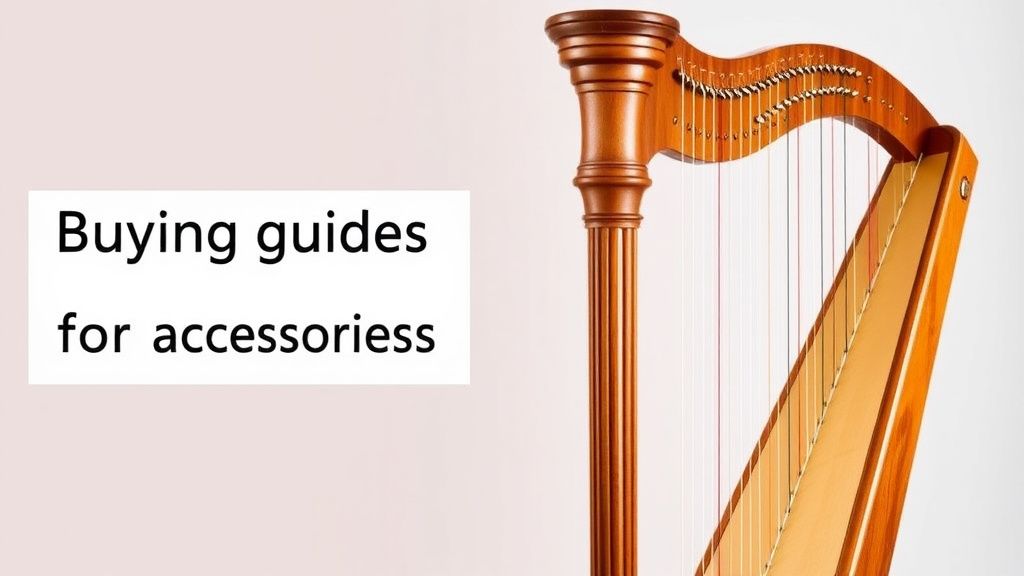
Lever Harp Buying Guide: Key Features for Beginners
Choosing your first lever harp is an exciting step, but the variety of options can be overwhelming. This guide breaks down the essential features to consider, helping you find an instrument that suits your needs, skill level, and musical goals.
Understanding Lever Harps
Lever harps (also called Celtic or folk harps) are smaller than pedal harps and use sharping levers to change string pitches. They’re ideal for beginners due to their portability, affordability, and versatility across musical styles.
Key Components:
- Strings: Typically made of nylon, gut, or wire (bass strings). Nylon is durable and easier on fingers, while gut offers a warmer tone.
- Soundboard: The wooden panel that amplifies sound. Spruce is common for its resonance.
- Levers: Allow quick key changes by raising a string’s pitch by a half step. Look for smooth, reliable mechanisms.
- Body: Hardwood (e.g., maple, cherry) offers durability and rich tone; laminates are budget-friendly but may lack projection.
Size and String Count
Lever harps range from 19 to 40+ strings. Beginners should balance playability with versatility:
- Small (19–26 strings): Lightweight and portable, but limited range. Great for children or travel.
- Medium (27–34 strings): The sweet spot for beginners—enough range for most folk/pop music without being cumbersome.
- Large (35+ strings): Closer to pedal harp range but heavier and pricier. Best if you’re committed to advancing quickly.
Lever Quality and Placement
Levers should operate smoothly without buzzing or sticking. Common types:
- Camac-style: Reliable and quiet, often standard on mid-range harps.
- Loveland-style: Affordable but may require more maintenance.
- Full-levered vs. partial: Full-levered harps have levers on every string, offering maximum flexibility. Partial-levered harps are cheaper but limit key changes.
Tip: Test levers by engaging/disengaging them while plucking the string—listen for clarity and consistency.
Tuning and Stability
A harp’s tuning stability depends on:
- Pin material: Brass or steel tuning pins resist corrosion and hold pitch better.
- String tension: Higher tension harps stay in tune longer but may be harder on fingers.
- Neck design: A reinforced neck prevents warping over time.
Pro tip: A built-in tuning wrench holder is a small but convenient feature.
Portability and Weight
Consider where you’ll play:
- Weight: Smaller harps (under 15 lbs) are easy to carry; larger ones (25+ lbs) may need a cart.
- Dimensions: Check ceiling height if storing upright. Some harps fold or detach for transport.
- Gig bags: Padded bags with backpack straps make transporting safer.
Sound and Tonewood
The wood affects volume and tone:
- Spruce soundboard: Bright, resonant.
- Mahogany/maple body: Warm, balanced.
- Laminated wood: More affordable but may sound muted.
Play before buying (or listen to demos) to compare tones.
Extras and Accessories
Essential add-ons for beginners:
- Stand: Adjustable stands improve playing posture.
- Tuner: Clip-on chromatic tuners simplify tuning.
- Bench: A height-adjustable bench ensures proper ergonomics.
- Humidifier: Crucial for solid-wood harps in dry climates.
What to Look For: Quick Buying Tips
- Playability: Test the action—strings shouldn’t be too stiff or too loose.
- Lever quality: Avoid levers that buzz or feel flimsy.
- String spacing: Wider spacing helps avoid accidental plucking (good for small hands).
- Warranty: Look for at least a 1-year warranty covering structural defects.
- Resale value: Well-known woods and reputable builders hold value better.
Final Thoughts
A lever harp is a long-term investment, so prioritize features that match your goals. Start with a mid-size harp (27–34 strings) if unsure—it’s versatile enough to grow with you. Happy harping!
Our picks worth a closer look
- 76 Disney Songs for the Harp Arranged by Sylvia Woods | Harp Sheet Music SongbooCheck on Amazon → — see current price and specs.
- 12 Strings Harp Irish Celtic Highland Solid Rosewood Naturl shape Nylon Lever TuCheck on Amazon → — see current price and specs.
- HOW TO PLAY THE LYRE HARP: A Comprehensive Guide To Learning how To Play The LyrCheck on Amazon → — see current price and specs.
- Basic Harp for BeginnersCheck on Amazon → — see current price and specs.
- First Harp Book – Bety Paret | Harp Sheet Music for Beginners | Folk and ClassicCheck on Amazon → — see current price and specs.