
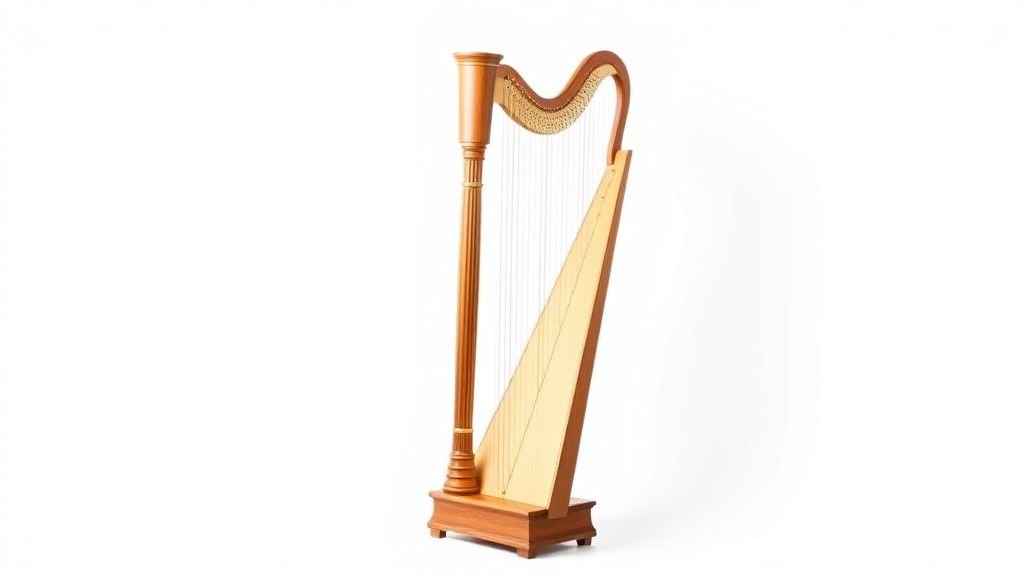
How to Clean Your Harp Strings for Optimal Sound
Keeping your harp strings clean is essential for maintaining their tone, longevity, and playability. Dust, oils from your fingers, and environmental grime can dull the sound and even shorten the string’s lifespan. Whether you have nylon, gut, or metal strings, regular cleaning ensures your harp sounds its best. Below, we’ll walk through the best methods for cleaning each type of string and what products to use.
Why Clean Your Harp Strings?
Over time, dirt and oils accumulate on harp strings, leading to:
- Muffled or dull sound – Grime dampens vibrations, reducing clarity.
- Faster wear – Corrosion and buildup weaken strings, especially metal ones.
- Inconsistent feel – Sticky or rough strings can affect playability.
Regular cleaning prevents these issues, keeping your harp sounding bright and responsive.
Cleaning Nylon and Fluorocarbon Strings
Nylon and fluorocarbon strings (common on lever and pedal harps) are durable but still need care.
Supplies Needed:
- Microfiber cloth (lint-free to avoid residue)
- Mild soap solution (dish soap diluted in water)
- Isopropyl alcohol (70%) (for deeper cleaning)
- Soft-bristle brush (optional for stubborn grime)
Steps:
- Wipe Down Regularly – After playing, gently wipe each string with a dry microfiber cloth to remove oils and dust.
- Deep Cleaning – Dampen a cloth with a mild soap solution and wipe each string lengthwise. Avoid excessive moisture near the soundboard.
- Stubborn Residue – For sticky buildup, lightly dampen a cloth with isopropyl alcohol and wipe carefully.
- Dry Thoroughly – Use a dry cloth to remove any remaining moisture.
What to Look For:
- Avoid abrasive cleaners or rough cloths that can scratch nylon.
- Never soak nylon strings—excess water can weaken them.
Cleaning Gut Strings
Gut strings (often used on historical or specialty harps) are more delicate and require gentle handling.
Supplies Needed:
- Soft, lint-free cloth
- Distilled water (tap water minerals can leave deposits)
- Specialized gut string cleaner (optional)
Steps:
- Dry Wiping First – Remove surface dust with a dry cloth before applying any moisture.
- Light Damp Cleaning – If needed, lightly dampen a cloth with distilled water and wipe strings gently. Avoid soaking.
- Specialized Cleaners – Some harpists use gut-friendly commercial cleaners—follow the product instructions carefully.
- Air Dry – Let strings dry completely before playing to prevent stretching or damage.
What to Look For:
- Never use alcohol or harsh chemicals—gut is porous and easily damaged.
- Store your harp in stable humidity to prevent gut strings from drying out.
Cleaning Metal Strings
Metal strings (common on wire-strung or some pedal harps) are prone to tarnish and corrosion.
Supplies Needed:
- Microfiber or chamois cloth
- Metal polish (specifically for musical strings)
- Lemon oil or specialized string conditioner (for prevention)
Steps:
- Daily Dusting – Wipe strings with a dry cloth after each session to remove fingerprints and dust.
- Polish Occasionally – Apply a small amount of metal polish to a cloth and rub strings lengthwise. Avoid getting polish on the soundboard.
- Conditioning – For copper or bronze strings, a light application of lemon oil can slow tarnishing.
- Buff to Shine – Use a clean cloth to remove excess polish and restore brightness.
What to Look For:
- Avoid household metal polishes—some contain abrasives that can damage strings.
- Check for corrosion or pitting—deep tarnish may require string replacement.
General Maintenance Tips
- Wash Hands Before Playing – Reduces oil transfer to strings.
- Cover Your Harp – Use a dust cover when not in use to minimize grime buildup.
- Check for Wear – Fraying, discoloration, or loss of tone may mean it’s time to replace strings.
What to Look for in Cleaning Products
When choosing cleaning supplies for your harp strings:
- Non-abrasive – Avoid anything that could scratch or weaken strings.
- Harp-Specific Formulas – Some brands offer cleaners designed for musical strings.
- Alcohol-Free for Gut – Harsh chemicals can degrade natural fibers.
- Lint-Free Cloths – Prevents residue that can affect sound.
Final Thoughts
Regular cleaning preserves your harp’s sound quality and extends string life. By following the right methods for your string type—whether nylon, gut, or metal—you’ll keep your instrument sounding vibrant and responsive. Incorporate string care into your maintenance routine, and your harp will reward you with beautiful, consistent tone for years to come.
Our picks worth a closer look
- Sonora Strings - SN32 -Harp Set 32 Strings - Arpa Set 32 Cuerdas - Made In USA -Check on Amazon → — see current price and specs.
- Shamanicshop The Dolphin Harp (Carrying Case) - A Beginner’s Tool, Handmade withCheck on Amazon → — see current price and specs.
- 22 Romantic Songs for the Harp | Intermediate Harp Sheet Music for Lever and PedCheck on Amazon → — see current price and specs.
- Harp Exercises for Speed and Agility By Deborah Friou | Finger Strength and HandCheck on Amazon → — see current price and specs.
- Christmas Songs for Harp | Holiday Sheet Music for Lever Harp Players | IntermedCheck on Amazon → — see current price and specs.