
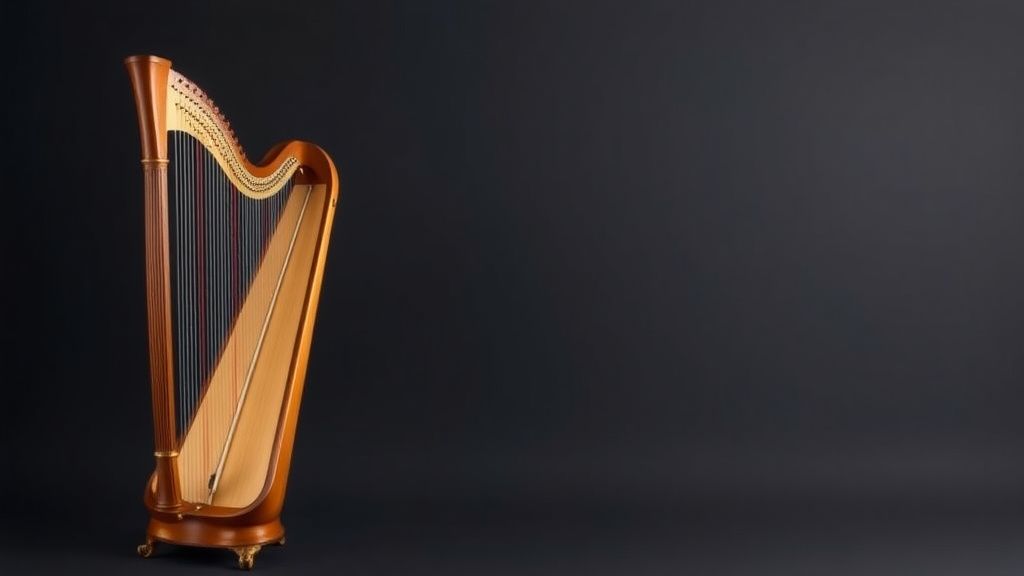
Harp Tuners: A Guide to Electronic vs. Traditional Options
Tuning a harp is an essential part of maintaining its beautiful sound, and choosing the right tuner can make the process much easier. Whether you’re a beginner or a professional harpist, you’ll need to decide between electronic tuners and traditional tuning methods. Each has its advantages, and understanding their differences will help you make the best choice for your needs.
Electronic Harp Tuners
Electronic tuners are popular for their accuracy, ease of use, and versatility. They detect pitch through a built-in microphone or by connecting directly to the harp via a pickup. Here are the key types and features:
Clip-On Tuners
These attach directly to the harp’s soundboard or tuning pins and sense vibrations rather than sound, making them ideal for noisy environments. Models like the Snark SN-8 or D’Addario NS Micro are compact and reliable.
Microphone-Based Tuners
These tuners rely on the harp’s acoustic sound and are best used in quiet settings. Popular options include the Korg TM-60 or Peterson StroboClip HD, which offer high precision and clear displays.
App-Based Tuners
Many harpists use tuning apps like Cleartune or Pano Tuner, which turn a smartphone into a chromatic tuner. While convenient, they may be less accurate than dedicated devices in noisy conditions.
Features to Consider
- Chromatic vs. Harp-Specific: Chromatic tuners work for all notes, while some models offer harp presets (e.g., lever harp or pedal harp settings).
- Display: Look for a bright, easy-to-read screen, especially for stage use.
- Calibration: Adjustable reference pitch (A440 or other) is essential for ensemble playing.
Traditional Tuning Methods
Before electronic tuners, harpists relied on manual tuning techniques. These methods require a good ear and are still used by some professionals for their simplicity and reliability.
Tuning Forks
A tuning fork (usually A440) provides a reference pitch, and the harpist tunes the rest of the strings by ear. This method is precise but time-consuming and requires experience.
Pitch Pipes
Small and portable, pitch pipes produce individual notes for each string. They’re less common today but can be useful as a backup.
Relative Tuning by Ear
Advanced players often tune strings relative to one another, using intervals like octaves or fifths. This method is fast but demands strong aural skills.
What to Look for in a Harp Tuner
When choosing a tuner, consider these factors:
- Accuracy: Look for ±1 cent precision or better for professional use.
- Durability: Clip-on tuners should have a sturdy grip, while microphone-based models need good noise rejection.
- Battery Life: Electronic tuners should last through long rehearsals or performances.
- Portability: Compact designs are best for travel.
- Ease of Use: Intuitive controls and clear displays save time during tuning.
Which Option Is Best for You?
- Beginners: An electronic tuner (clip-on or app-based) simplifies learning and ensures accuracy.
- Performers: A high-quality clip-on or microphone tuner with stage-friendly features is ideal.
- Traditionalists: Tuning forks or relative tuning may appeal to those who prefer manual methods.
Ultimately, the best tuner depends on your playing environment, skill level, and personal preference. Many harpists keep both electronic and traditional tools on hand for flexibility. By understanding the pros and cons of each option, you can keep your harp sounding its best with minimal hassle.
Our picks worth a closer look
- 50 Irish Melodies for All Harps | Harp Sheet Music Songbook for Lever and Pedal Check on Amazon → — see current price and specs.
- Groovy Songs of the ’60s for Harp Arranged by Sylvia Woods | 40 Easy and IntermeCheck on Amazon → — see current price and specs.
- wfljl 19-String Lyre Harp Kit - Ergonomic Lap Harp Instrument with Tuner& Picks Check on Amazon → — see current price and specs.
- Lyre Harp Kit - 19-String Mini Harp Ergonomic Lap Harp Instrument with Tuner & PCheck on Amazon → — see current price and specs.
- Jaw Harp with Wooden Leaf Holder – Brass Mouth Harp for Beginners, Portable Jew’Check on Amazon → — see current price and specs.