
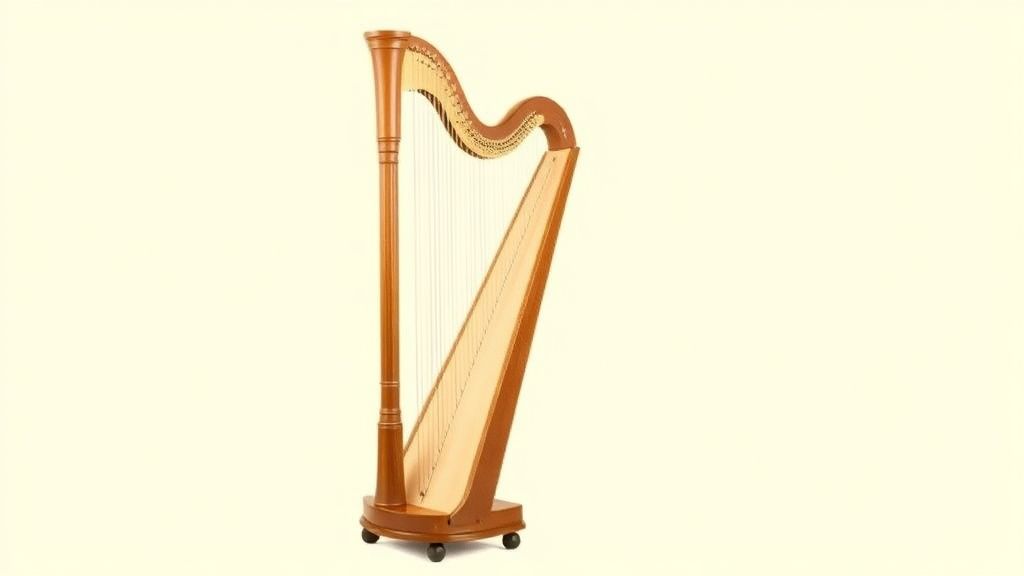
Harp Strings Explained: Which Type is Right for Your Instrument?
Choosing the right harp strings is essential for achieving the best sound, playability, and longevity of your instrument. Whether you’re a beginner or an experienced harpist, understanding the differences between string types—such as material, gauge, and tension—will help you make an informed decision. This guide breaks down the key factors to consider when selecting harp strings for lever, pedal, or folk harps.
Types of Harp Strings by Material
Harp strings are made from various materials, each offering distinct tonal qualities and durability. The most common types include:
1. Nylon Strings
- Best for: Lever harps, folk harps, and beginner pedal harps.
- Sound: Warm, mellow, and slightly softer in projection compared to gut.
- Durability: Resistant to humidity changes and less prone to breaking than gut.
- Common Uses: Mid-to-high octave strings (3rd–6th octaves).
Nylon is a popular choice for its affordability and consistency, making it ideal for students or harpists in variable climates.
2. Gut Strings (Natural or Synthetic-Core)
- Best for: Pedal harps and professional lever harps.
- Sound: Rich, complex, and resonant with a bright, articulate quality.
- Durability: More sensitive to humidity and temperature changes; requires careful maintenance.
- Common Uses: Mid-range and high strings (2nd–5th octaves).
Gut strings are favored by advanced players for their superior tonal depth but demand regular tuning and care.
3. Fluorocarbon Strings
- Best for: Lever harps and folk harps where brightness and stability are desired.
- Sound: Clear, bright, and slightly more metallic than nylon.
- Durability: Highly resistant to humidity and temperature fluctuations.
- Common Uses: High octave replacement for gut or nylon (4th–6th octaves).
Fluorocarbon is a modern alternative that combines the warmth of nylon with the projection of gut.
4. Wire-Wound Strings (Bass Strings)
- Best for: Lower octaves on pedal and lever harps.
- Construction: Typically feature a nylon or steel core wrapped in silver, copper, or phosphor bronze.
- Sound: Deep, resonant, and powerful with long sustain.
- Common Uses: 1st–2nd octave bass strings.
Wire-wound strings provide the necessary mass for low-frequency vibration while maintaining clarity.
Choosing the Right Gauge and Tension
Harp strings come in different thicknesses (gauges) and tensions, which affect playability and tone:
- Light Gauge: Easier to pluck, ideal for smaller harps or delicate playing.
- Medium Gauge: Balanced tension, suitable for most lever and pedal harps.
- Heavy Gauge: Higher tension, preferred for concert pedal harps requiring robust projection.
Always consult your harp’s manufacturer recommendations to avoid improper tension, which can damage the soundboard or levers.
String Types by Harp Model
Lever Harp Strings
Lever harps (also called Celtic or folk harps) typically use nylon or fluorocarbon for the upper registers and wire-wound for the bass. Gut is less common due to maintenance requirements.
- Recommended: Nylon for durability, fluorocarbon for brighter tone.
- Avoid: Heavy-gauge strings unless specified for your harp’s design.
Pedal Harp Strings
Pedal harps require precision and often use gut or synthetic-core strings for mid-to-high ranges, with wire-wound bass strings.
- Recommended: Gut for professional tonal quality, nylon for practice or humid climates.
- Note: Pedal harp strings must match the maker’s specifications (e.g., Lyon & Healy, Salvi).
Folk/Traditional Harp Strings
Smaller folk harps may use lighter gauges to accommodate lower string tension. Nylon is the most practical choice for beginners.
What to Look for When Buying Harp Strings
- Material Compatibility: Ensure the string type suits your harp’s construction and musical style.
- Gauge Consistency: Stick to the manufacturer’s recommended gauges to maintain proper tension.
- Climate Resistance: Opt for fluorocarbon or nylon if you live in a humid or variable environment.
- Tonal Preference: Gut for warmth, fluorocarbon for brightness, nylon for balance.
- Brand Reputation: Purchase from established string makers (e.g., Bow Brand, Camac, Pirastro) for reliable quality.
Maintenance Tips for Long-Lasting Strings
- Wipe Down Strings: Remove oils and dirt after playing to extend lifespan.
- Monitor Humidity: Keep gut strings in a stable environment (40–60% humidity).
- Replace in Sets: Change strings in groups (e.g., all 3rd octave) to maintain even wear.
Final Thoughts
Selecting the right harp strings depends on your instrument type, playing style, and environmental conditions. Nylon and fluorocarbon offer practicality for most players, while gut provides unmatched richness for professionals. Always prioritize quality and compatibility to preserve your harp’s voice and playability.
By understanding these distinctions, you can confidently choose strings that enhance your harp’s sound and suit your musical needs.
Our picks worth a closer look
- Cheerock 7 Lyre Harp Strings 7pcs String Pin Nails with Tuning Wrench ReplacemenCheck on Amazon → — see current price and specs.
- INKNOTE Lyre Harp A Sets of 16 Replacement Metal Strings with 20 Pcs Gold Brass Check on Amazon → — see current price and specs.
- SUPVOX 19 String Lyre Harp Strings Nylon Replacement Set, Color Coded Lyre StrinCheck on Amazon → — see current price and specs.
- Mulucky Set of 16 Strings Replacement Metal String Tuning Pins with an L-shape TCheck on Amazon → — see current price and specs.
- LIEKE 7 String Lyre Harp Instrument with Tuning Wrench,Metal Strings,Bag, MahogaCheck on Amazon → — see current price and specs.