
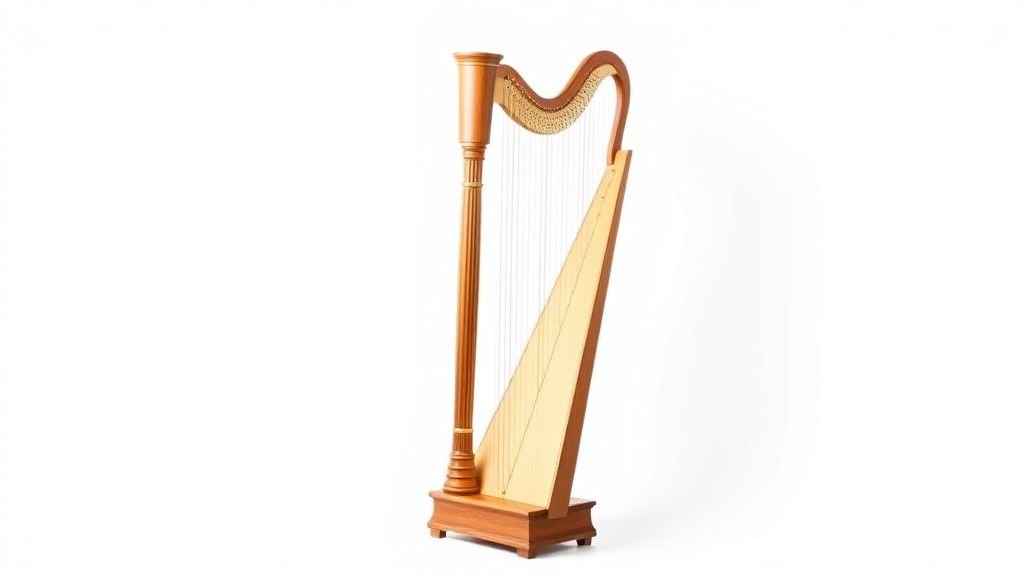
Understanding Harp Strings: The Basics
Harp strings are the heart of your instrument’s sound, responsiveness, and playability. Unlike piano strings, which are mostly metal, harp strings vary widely in material, thickness, and tension depending on their position on the harp. Whether you’re a beginner or an advanced player, knowing how strings work—and when to replace them—will help you maintain your harp’s tone and avoid unexpected breakages.
Materials: What Are Harp Strings Made Of?
Harp strings are typically grouped into three categories based on material:
-
Gut Strings
- Traditionally made from sheep intestine (now often synthetic gut).
- Warm, rich tone favored by classical and pedal harpists.
- Common in the mid-to-high register (3rd–6th octaves).
- Pros: Expressive, nuanced sound; preferred for solo performance.
- Cons: Sensitive to humidity, prone to stretching, and shorter lifespan.
-
Nylon Strings
- Synthetic, durable, and less affected by humidity than gut.
- Bright, clear tone, popular on lever harps and folk styles.
- Often used for mid-to-high registers (similar to gut).
- Pros: Stable tuning, affordable, and longer-lasting.
- Cons: Slightly less warmth compared to gut.
-
Wire/Wound Strings
- Metal (usually steel or copper-wound) for the bass octaves.
- Provides the necessary mass for low-frequency vibration.
- Pros: Powerful, resonant bass; durable.
- Cons: Heavier tension; can feel stiff under fingers.
Note: Some harps use fluorocarbon strings (a nylon alternative) for added brightness and stability.
String Tensions: Light, Medium, or Heavy?
String tension affects playability and sound projection. Most harps fall into three tension categories:
-
Light Tension
- Easier on fingers, ideal for beginners or small harps.
- Softer volume; may lack projection in large rooms.
-
Medium Tension
- Balanced feel and volume; common for intermediate players.
-
High Tension
- Louder, more resonant sound but requires stronger technique.
- Often used on concert pedal harps.
Tip: Check your harp’s manual for recommended tensions—exceeding them can damage the soundboard.
When to Replace Harp Strings
Strings wear out over time. Here’s how to spot the signs:
-
Tuning Instability
- If a string won’t hold pitch despite proper tuning, it’s likely fatigued.
-
Visible Wear
- Fraying, discoloration, or kinks (especially in gut/nylon).
- Corrosion or winding separation on wire strings.
-
Dull or Muted Sound
- Old strings lose their vibrancy, making the harp sound “flat.”
-
Frequent Breakage
- Strings snapping during normal play signal aging or improper tension.
Replacement Tip: Always keep spare strings for your harp’s octaves. Replace one at a time to maintain tension balance.
How to Choose the Right Replacement Strings
When buying replacements, match these specs to your harp:
-
Scale Length
- Measure the vibrating length (nut to soundboard).
- Incorrect lengths cause tuning issues or excessive tension.
-
Material Consistency
- Stick with the same material (e.g., gut vs. nylon) unless experimenting.
-
Brand Compatibility
- Some harps (e.g., specific lever harp models) work best with proprietary string sets.
-
Climate Considerations
- In humid areas, nylon or fluorocarbon resists moisture better than gut.
What to Look for When Buying Harp Strings
- Pre-Packaged Sets vs. Singles
- Sets ensure uniformity; singles are cost-effective for spot replacements.
- Winding Quality (for Bass Strings)
- Smooth, even winding prevents buzzing and extends lifespan.
- Diameter/Gauge
- Thicker strings = deeper tone but higher tension. Verify against your harp’s design.
- Color Coding
- Some brands color-code strings by octave for easier identification.
Final Tips for String Maintenance
- Clean Hands: Oils and dirt degrade strings faster. Wipe them down after playing.
- Humidity Control: Use a humidifier for gut strings in dry climates.
- Tune Gradually: Avoid sharp jumps in tension to prevent breakage.
By understanding your harp’s strings—and staying proactive about care—you’ll enjoy a clearer, more reliable sound for years to come.
Our picks worth a closer look
- 22 Romantic Songs for the Harp | Intermediate Harp Sheet Music for Lever and PedCheck on Amazon → — see current price and specs.
- Harp Exercises for Speed and Agility By Deborah Friou | Finger Strength and HandCheck on Amazon → — see current price and specs.
- Christmas Songs for Harp | Holiday Sheet Music for Lever Harp Players | IntermedCheck on Amazon → — see current price and specs.
- Roosebeck Harp String Set, 29, C - CCheck on Amazon → — see current price and specs.
- Roosebeck Harp String Set, 19, F - CCheck on Amazon → — see current price and specs.