
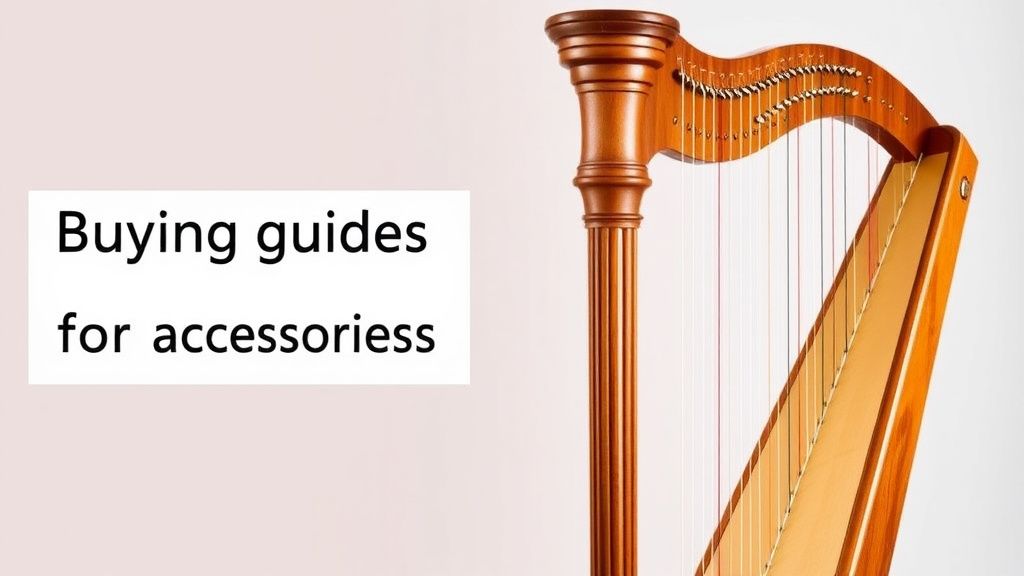
Harp String Tension: What You Need to Know
String tension is a critical factor in harp performance, affecting playability, tone, and even the instrument’s structural integrity. Whether you’re a beginner selecting your first harp or an experienced player replacing strings, understanding tension will help you make informed decisions.
Why String Tension Matters
Harp strings must balance responsiveness and durability. Too much tension can make playing difficult and strain the soundboard, while too little tension results in a weak, unfocused tone. Proper tension ensures:
- Playability: Strings should respond easily to plucking without excessive effort.
- Tonal Quality: Balanced tension produces clear, resonant notes.
- Durability: Correct tension minimizes wear on the harp’s frame and soundboard.
Types of Harp Strings and Their Tension
Harp strings are categorized by material, which directly influences tension:
1. Nylon Strings
- Common Use: Found on lever harps and some pedal harps (higher octaves).
- Tension Characteristics: Lower tension than gut, flexible, and easier to play.
- Pros: Bright tone, affordable, resistant to humidity changes.
- Cons: Less warmth and sustain compared to gut.
2. Gut Strings
- Common Use: Traditional choice for pedal harps and high-end lever harps.
- Tension Characteristics: Higher tension than nylon, requiring more finger strength.
- Pros: Rich, warm tone with excellent sustain.
- Cons: Sensitive to humidity, more expensive, shorter lifespan.
3. Wire Strings (Bass Wires)
- Common Use: Lowest octaves on pedal and larger lever harps.
- Tension Characteristics: Very high tension, often reinforced with a steel core.
- Pros: Powerful, resonant bass notes.
- Cons: Harder on fingers, can fatigue the harp’s structure over time.
How Tension Varies by Harp Type
Different harps are designed for specific tension ranges:
- Lever Harps (Celtic Harps): Typically use lower-tension nylon or fluorocarbon strings for ease of play. Some models accommodate gut for a warmer sound.
- Pedal Harps: Require higher-tension gut or synthetic strings to handle the mechanical demands of pedal changes.
- Wire-Strung Harps: Feature tightly wound metal strings, demanding robust construction to withstand tension.
Measuring and Adjusting String Tension
String tension is determined by:
- Scale Length: Longer harps (e.g., concert pedal harps) have higher tension due to longer string lengths.
- String Gauge: Thicker strings generally have higher tension.
- Tuning Pitch: Higher pitches (e.g., C vs. A tuning) increase tension.
Most manufacturers provide recommended string sets for their harps. Deviating from these can risk damage or poor sound quality.
What to Look for When Choosing Strings
When selecting harp strings, consider:
-
Harp Model Compatibility
- Check manufacturer guidelines for approved string types and tensions.
- Lever harps may not support high-tension gut strings unless designed for it.
-
Playing Style and Comfort
- Beginners may prefer lower-tension nylon for ease.
- Professionals might opt for gut’s tonal richness despite higher tension.
-
Climate Considerations
- Gut strings expand and contract with humidity; synthetic strings are more stable.
-
Bass Wire Quality
- Look for copper-wound steel cores for durability and resonance.
Maintaining Proper Tension
- Regular Tuning: Keep strings at pitch to maintain consistent tension.
- String Replacement: Replace worn strings promptly to avoid uneven tension distribution.
- Professional Setup: Have a harp technician assess tension if the instrument feels stiff or sounds dull.
Final Thoughts
Understanding string tension helps harpists optimize their instrument’s performance and longevity. Whether you prioritize playability, tone, or durability, selecting the right strings for your harp’s design ensures a satisfying playing experience. Always consult your harp’s manufacturer or a qualified technician when making changes to string setup.
Our picks worth a closer look
- Roosebeck Harp String Set, 22, C - CCheck on Amazon → — see current price and specs.
- Roosebeck Harp String Set, 29, C - CCheck on Amazon → — see current price and specs.
- Roosebeck Harp String Set, 19, F - CCheck on Amazon → — see current price and specs.
- Roosebeck Harp 26-String Set F - CCheck on Amazon → — see current price and specs.
- Roosebeck 19-String Pixie Harp w/Shelby LeversCheck on Amazon → — see current price and specs.