Harp Soundboards: Material Matters for Tone
The soundboard is the heart of a harp’s acoustic performance, transforming string vibrations into the rich, resonant tones harpists love. Its material, construction, and design directly influence volume, warmth, and projection. Whether you’re a beginner or a professional, understanding soundboard materials can help you choose the right harp for your needs—or appreciate the nuances of your current instrument.
How Soundboards Work
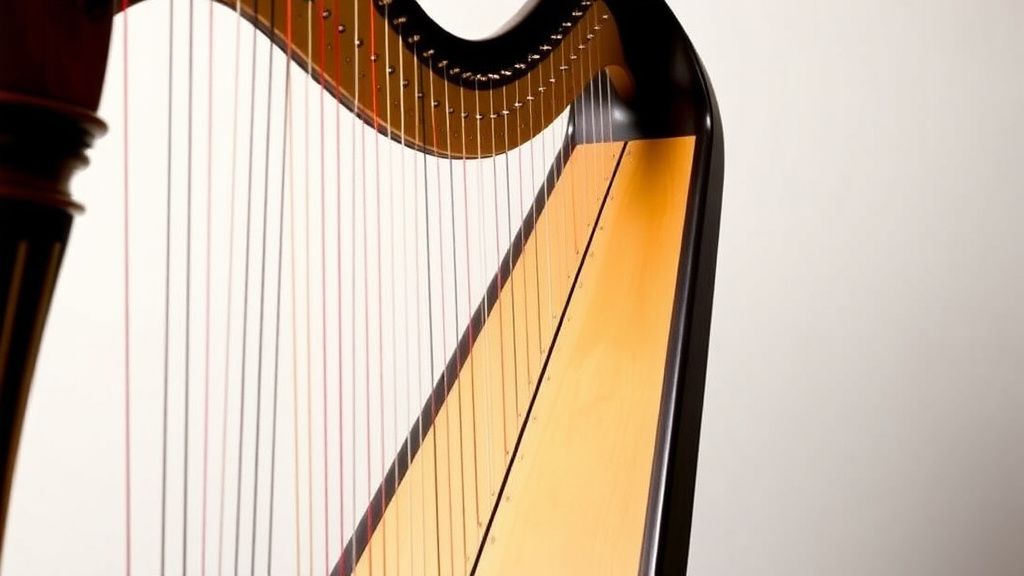
A harp’s soundboard is a thin, flexible panel (usually wood) mounted on the harp’s body beneath the strings. When plucked, strings transmit vibrations through the bridge pins into the soundboard, which amplifies and colors the sound. The soundboard’s density, grain structure, and bracing affect:
- Volume: Lighter, more responsive boards project better.
- Tonal Character: Spruce offers brightness; cedar adds warmth.
- Durability: Thicker boards withstand tension but may sacrifice resonance.
Common Soundboard Materials
1. Solid Spruce (Sitka or European)
Best for: Clarity, projection, and versatility.
Spruce is the most popular choice for pedal and lever harps due to its balanced tone and strength-to-weight ratio. Sitka spruce (common in North American harps) delivers bright, articulate highs, while European spruce (favored in older French harps) offers a slightly warmer, complex sound.
Pros:
- Excellent dynamic range.
- Ages well, improving in resonance over time.
Cons:
- Requires proper humidity control to prevent cracking.
2. Cedar
Best for: Warm, mellow tones.
Cedar soundboards (often Western Red Cedar) produce a softer, darker sound compared to spruce. They’re favored by folk and therapy harpists for their intimate, soothing quality.
Pros:
- Quick response and rich overtones.
- Naturally resistant to moisture.
Cons:
- Less projection than spruce; may not suit large ensembles.
3. Laminated Wood
Best for: Budget-friendly or travel harps.
Laminated soundboards use thin layers of wood (often spruce or birch) bonded with adhesive. They’re durable and stable but lack the acoustic refinement of solid wood.
Pros:
- Resistant to humidity changes.
- Affordable for beginner harps.
Cons:
- Tonal complexity is reduced; sounds “flatter” than solid wood.
4. Carbon Fiber or Composite
Best for: Extreme durability or outdoor performance.
Some modern harps use carbon fiber or synthetic composites for weather resistance and consistent tone in varying climates. These are rare but growing in popularity for travel harps.
Pros:
- Unaffected by humidity or temperature.
- Lightweight and nearly indestructible.
Cons:
- Can sound artificial compared to wood.
Soundboard Thickness and Bracing
Beyond material, thickness and internal bracing shape the harp’s voice:
- Thinner soundboards (2–3 mm) vibrate more freely, enhancing volume and responsiveness but may risk cracking.
- Thicker soundboards (4–5 mm) are sturdier but can dampen resonance.
- Bracing patterns (fan, ladder, or hybrid) reinforce the board while influencing tonal balance. Less bracing = more vibration but reduced structural support.
What to Look for in a Soundboard
When evaluating a harp’s soundboard, consider:
- Material Match: Spruce for brightness, cedar for warmth, laminated for affordability.
- Craftsmanship: Grain should run evenly without knots or patches. Joints (if any) must be seamless.
- Humidity Resistance: Solid wood needs care; laminated/composite suits variable climates.
- Age and Condition: Older solid-wood soundboards may have “opened up” for richer tone—inspect for cracks or repairs.
- Play Before Buying: Listen for even resonance across registers; avoid harps with “dead” spots.
Maintaining Your Soundboard
- Humidity Control: Keep at 40–60% humidity to prevent warping/cracking (use a hygrometer and humidifier).
- Cleaning: Dust lightly with a soft cloth; avoid polishes that can seep into wood.
- Inspection: Check annually for loose braces or hairline cracks, especially near the bridge.
Conclusion
A harp’s soundboard is its acoustic soul, and choosing the right material can elevate your playing experience. Whether you prioritize spruce’s brilliance, cedar’s warmth, or the practicality of laminated wood, understanding these differences ensures you’ll find an instrument that sings—literally—to your preferences. Always test a harp in person when possible, and invest in proper care to preserve its voice for decades.
Our picks worth a closer look
- Harp Replacement Strings Set for 15-String Harp Nylon Non-Filament Strings, ColoCheck on Amazon → — see current price and specs.
- Basic Harp for BeginnersCheck on Amazon → — see current price and specs.
- First Harp Book – Bety Paret | Harp Sheet Music for Beginners | Folk and ClassicCheck on Amazon → — see current price and specs.
- 50 Irish Melodies for All Harps | Harp Sheet Music Songbook for Lever and Pedal Check on Amazon → — see current price and specs.
- 76 Disney Songs for the Harp Arranged by Sylvia Woods | Harp Sheet Music SongbooCheck on Amazon → — see current price and specs.