
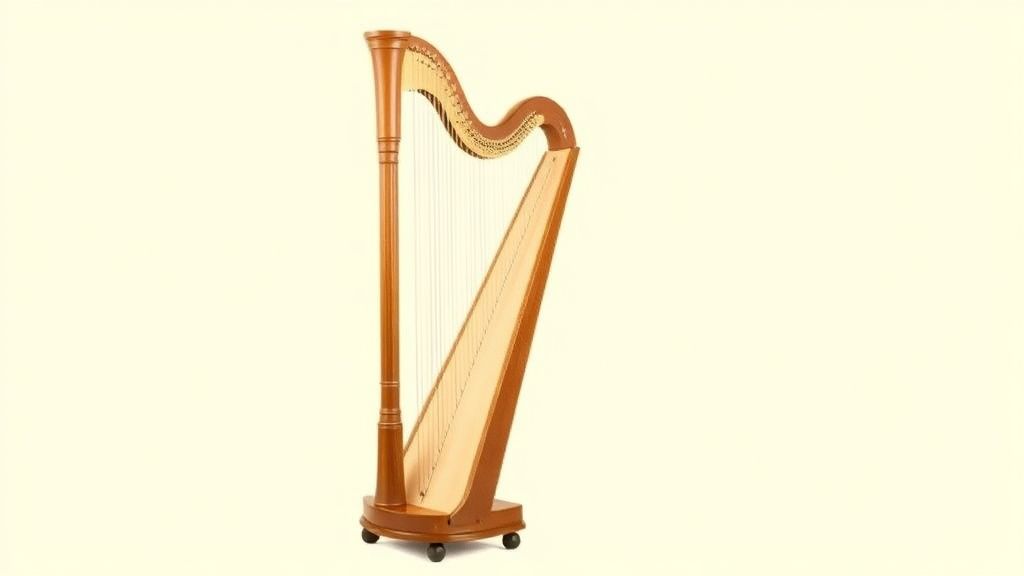
Harp Music Books for Beginners: Our Top Picks
Learning to play the harp is a rewarding journey, but having the right instructional materials can make all the difference. Whether you’re starting with a lever harp or a pedal harp, a well-structured music book can guide you through the fundamentals, from hand positioning to reading sheet music. Below, we’ve curated a selection of the best harp music books for beginners, categorized by skill level and harp type.
Method Books for Lever Harps
1. Teach Yourself to Play the Folk Harp
This book is a favorite among beginners for its clear, step-by-step approach. It covers basic techniques like plucking, finger placement, and simple melodies. The book includes folk tunes and traditional songs, making it engaging for new players. It also introduces lever changes gradually, ensuring a smooth learning curve.
2. Fun from the First: A Harp Method for Beginners
Ideal for younger students or those who prefer a playful approach, this book uses colorful illustrations and easy-to-follow exercises. It focuses on hand coordination and rhythm while incorporating familiar children’s songs. The book also includes duets, making it great for group lessons.
3. The Harpist’s Primer
A comprehensive guide for lever harpists, this book progresses from basic scales to more complex fingerings. It includes exercises for both hands, arpeggios, and simple arrangements of classical pieces. The appendix also provides tuning tips and maintenance advice.
Method Books for Pedal Harps
1. First Harp Book
Designed specifically for pedal harp beginners, this book introduces pedal changes and basic technique. It includes short études and classical excerpts to build dexterity. The exercises focus on hand independence and pedal coordination, essential for advancing to more complex repertoire.
2. Harp Exercises for Agility and Speed
While not strictly a beginner’s book, this is an excellent supplementary resource for pedal harpists looking to develop finger strength and precision. The drills are progressive, starting with simple patterns and advancing to more challenging sequences.
3. The Classical Pedal Harp: A Beginner’s Guide
This book bridges the gap between lever and pedal harp, making it useful for transitioning players. It includes explanations of pedal diagrams, fingerings, and introductory pieces from the classical repertoire.
Harp Music Collections for Beginners
1. Easy Classics for the Harp
A compilation of simplified classical pieces arranged for lever or pedal harp. The selections range from Bach minuets to Debussy’s Clair de Lune, adapted for beginner-friendly playability.
2. Celtic Harp for Beginners
Perfect for those drawn to folk music, this book features traditional Irish, Scottish, and Welsh tunes. The arrangements are straightforward, with optional lever changes for added challenge.
3. Christmas Music for Harp
A seasonal favorite, this book includes well-known carols arranged for beginners. The harmonies are kept simple, making it accessible for first-year students.
Supplementary Technique Books
1. Daily Warm-Ups for the Harp
A must-have for developing consistent practice habits, this book offers short exercises to improve finger strength, scales, and arpeggios. The drills are designed to be played daily, reinforcing muscle memory.
2. Harp Theory for Beginners
Understanding music theory is crucial for long-term progress. This book breaks down scales, chords, and intervals in a harp-specific context, with exercises to apply the concepts directly to playing.
What to Look for in a Beginner Harp Music Book
When choosing a harp book, consider the following:
- Harp Type: Ensure the book matches your instrument (lever or pedal harp).
- Progression: Look for a logical structure—starting with basics and gradually introducing new techniques.
- Repertoire: Books with familiar tunes or styles you enjoy will keep you motivated.
- Supplementary Material: Some books include audio examples, tuning guides, or practice tips, which can be very helpful.
- Readability: Clear notation, large print, and well-spaced exercises make learning easier.
Final Thoughts
The right music book can set the foundation for a lifelong love of the harp. Whether you prefer classical, folk, or contemporary styles, there’s a beginner-friendly book tailored to your needs. Start with a method book that aligns with your harp type, then supplement with repertoire collections to keep practice enjoyable. Happy playing!
Our picks worth a closer look
- First Harp Book – Bety Paret | Harp Sheet Music for Beginners | Folk and ClassicCheck on Amazon → — see current price and specs.
- 76 Disney Songs for the Harp Arranged by Sylvia Woods | Harp Sheet Music SongbooCheck on Amazon → — see current price and specs.
- Harp Exercises for Speed and Agility By Deborah Friou | Finger Strength and HandCheck on Amazon → — see current price and specs.
- SUPVOX 19 String Lyre Harp Strings Nylon Replacement Set, Color Coded Lyre StrinCheck on Amazon → — see current price and specs.
- LOMUTY 19-String Lyre Harp with Tuning Wrench Harp Instruments, Lyre Harp is GooCheck on Amazon → — see current price and specs.