
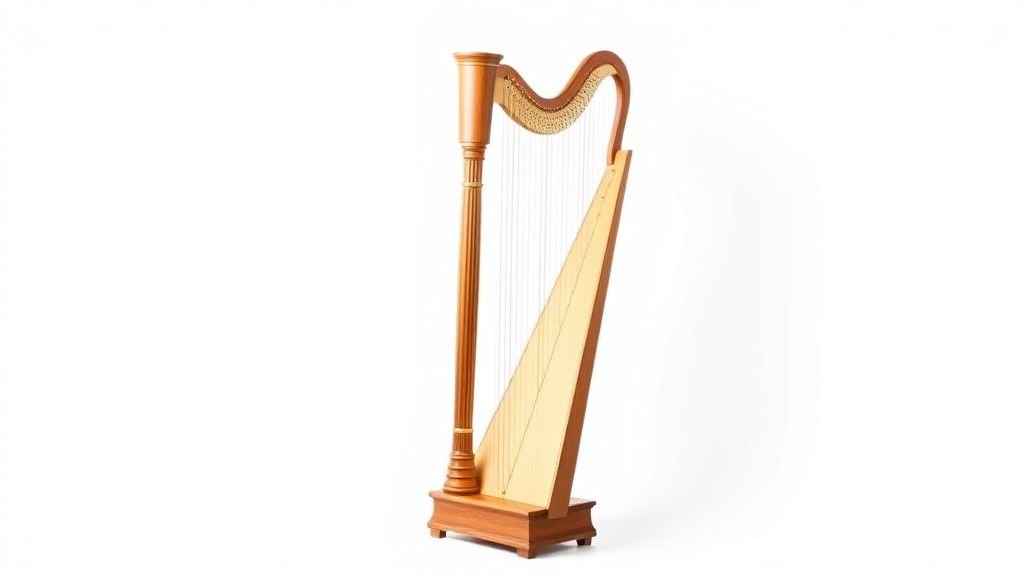
Why Regular Harp Maintenance is Essential
Maintaining your harp is crucial for ensuring its longevity, optimal sound quality, and playability. A well-maintained harp not only performs better but also reduces the risk of costly repairs down the line. Whether you own a lever harp, pedal harp, or electric harp, regular upkeep is key to preserving its beauty and functionality. Dust, humidity, temperature changes, and wear and tear can all affect your instrument, so a consistent maintenance schedule is a must for every harpist.
Daily Care for Your Harp
Cleaning the Exterior
After each playing session, gently wipe down the harp’s wood surface with a soft, lint-free cloth. This removes dust, fingerprints, and oils from your hands. Avoid using harsh chemicals or polishes, as they can damage the wood finish. For harps with a high-gloss finish, a microfiber cloth works best to prevent scratches.
String Maintenance
Wipe the strings with a clean cloth to remove oils and debris. This prolongs the life of the strings and ensures a clear, bright tone. If you notice any discoloration or fraying, it may be time to replace the string. Always keep spare strings on hand, as they can break unexpectedly.
Checking Tension
Check the tuning of your harp daily. Strings naturally lose tension over time, and regular tuning helps maintain consistent pitch and reduces stress on the soundboard. Use a reliable tuner and adjust the tension carefully to avoid over-tightening.
Weekly Harp Maintenance
Inspecting the Soundboard
The soundboard is a critical component of your harp’s resonance. Inspect it weekly for cracks, warping, or other signs of damage. If you notice any issues, consult a professional harp technician immediately. Avoid exposing the harp to extreme humidity or dryness, as this can damage the soundboard.
Lubricating Moving Parts
For lever harps and pedal harps, lubricate the levers or pedals weekly to ensure smooth operation. Use a small amount of harp-specific lubricant, such as teflon-based oil, and apply it sparingly to the moving parts. Avoid over-lubricating, as excess oil can attract dust and dirt.
Checking Hardware
Inspect the harp’s hardware, including tuning pins, levers, and pedals, for tightness and alignment. Loose hardware can affect tuning stability and playability. Use a small wrench or screwdriver to gently tighten any loose components, but be careful not to overtighten.
Monthly Harp Maintenance
Deep Cleaning
Once a month, give your harp a thorough cleaning. Remove dust from hard-to-reach areas, such as around the tuning pins and under the strings, using a soft brush or compressed air. For the wood surface, use a slightly damp cloth followed by a dry cloth to remove stubborn grime.
Inspecting Strings
Check each string for wear, especially near the tuning pins and where they contact the soundboard. Replace any strings that show signs of fraying or discoloration. Keep a record of when strings were last replaced to help you stay on top of replacements.
Humidifier Maintenance
If you use a humidifier to control the harp’s environment, clean it monthly to prevent mold or bacteria buildup. Follow the manufacturer’s instructions for proper cleaning and refilling.
Seasonal Harp Maintenance
Adjusting for Humidity and Temperature
Seasonal changes in humidity and temperature can affect your harp’s wood and tuning stability. In dry winter months, use a humidifier to maintain a relative humidity of 40-50%. In humid summer months, use a dehumidifier or silica gel packs to prevent excess moisture buildup. Keep your harp away from direct sunlight, heaters, and air conditioning vents.
Professional Inspection
Schedule a professional inspection and maintenance session with a harp technician at least once a year, preferably before or after extreme weather seasons. A technician can check for internal issues, such as soundboard cracks or pin block problems, that may not be visible to the untrained eye.
What to Look for in Harp Maintenance Products
Cleaning Supplies
Look for soft, lint-free cloths and microfiber cloths designed for musical instruments. Avoid abrasive materials or chemical cleaners that could damage the wood finish. For strings, use a clean, dry cloth or specialized string cleaner.
Lubricants
Choose a harp-specific lubricant, such as teflon-based oil, for moving parts. Avoid using household oils or greases, as they can attract dirt and damage the harp.
Humidifiers and Dehumidifiers
Invest in a high-quality humidifier or dehumidifier designed for musical instruments. Look for models with adjustable settings and built-in hygrometers to monitor humidity levels accurately.
Replacement Strings
Keep a variety of replacement strings on hand, including nylon, gut, and wire strings, depending on your harp type. Purchase strings from reputable suppliers to ensure compatibility and quality.
By following this harp maintenance schedule, you can keep your instrument in top shape and enjoy its beautiful sound for years to come. Regular care not only enhances your playing experience but also protects your investment in this exquisite musical instrument.
Our picks worth a closer look
- Mulucky Set of 16 Strings Replacement Metal String Tuning Pins with an L-shape TCheck on Amazon → — see current price and specs.
- Hape Happy Harp Kid’s Musical Instrument | Award Winning Wooden Lap Harp Toy forCheck on Amazon → — see current price and specs.
- 12 Strings Harp Irish Celtic Highland Solid Rosewood Naturl shape Nylon Lever TuCheck on Amazon → — see current price and specs.
- Cheerock 7 Lyre Harp Strings 7pcs String Pin Nails with Tuning Wrench ReplacemenCheck on Amazon → — see current price and specs.
- INKNOTE Lyre Harp A Sets of 16 Replacement Metal Strings with 20 Pcs Gold Brass Check on Amazon → — see current price and specs.