
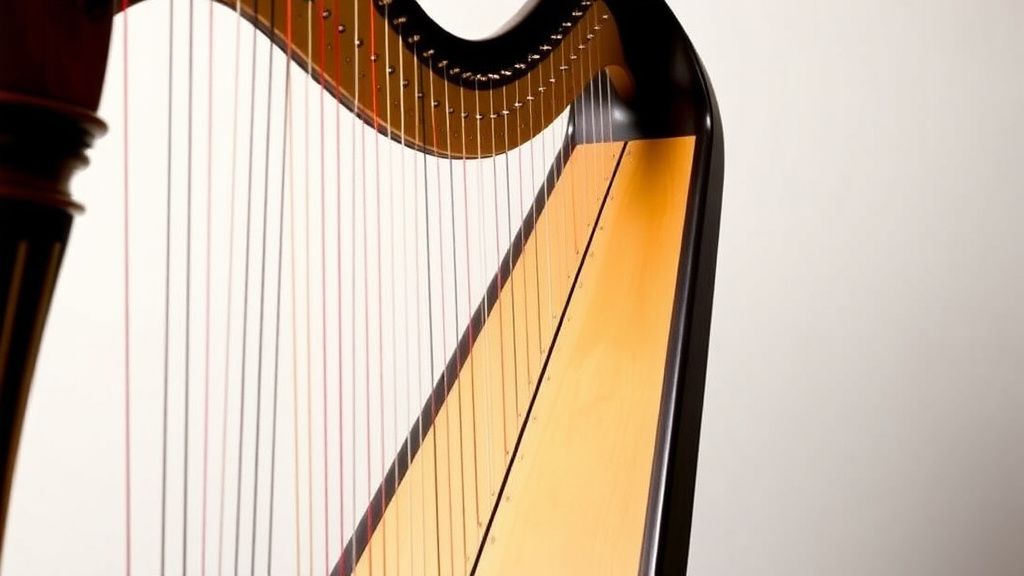
Harp Insurance: Protecting Your Valuable Instrument
Why Harp Insurance Matters
A harp is not just a musical instrument—it’s a significant investment. Whether you own a beginner lever harp or a professional pedal harp, accidents, theft, or environmental damage can happen unexpectedly. Standard homeowner’s or renter’s insurance often falls short in covering specialized instruments, leaving harpists vulnerable to financial loss. Dedicated harp insurance ensures your instrument is protected against damage, loss, and liability, giving you peace of mind.
Types of Harp Insurance Coverage
1. All-Risk Instrument Insurance
This comprehensive policy covers nearly every scenario, including:
- Accidental damage (drops, spills, transport mishaps)
- Theft (whether at home, in transit, or at a performance venue)
- Natural disasters (floods, fires, extreme humidity)
- Vandalism
Unlike basic homeowner’s insurance, all-risk policies don’t exclude common harp-related incidents.
2. Liability Coverage
If your harp causes injury or property damage (e.g., a falling harp stand injures someone), liability insurance protects you from legal and medical expenses.
3. Worldwide Coverage
For touring musicians, international coverage ensures protection even when traveling abroad. Verify whether the policy includes shipping or airline-related damage.
4. Loaner Instrument Coverage
If your harp is in for repairs, some policies cover the cost of renting a temporary replacement.
Common Exclusions to Watch For
Even the best policies may exclude:
- Gradual wear and tear (e.g., string fatigue, wood warping from improper humidity)
- Neglect (e.g., leaving a harp in a hot car)
- Unattended theft (e.g., leaving your harp in an unlocked vehicle)
Always read the fine print and ask about exclusions.
How to Document Your Harp for Insurance
To streamline claims, maintain:
- Proof of ownership (sales receipts, appraisals, or notarized documents)
- Photos/videos of your harp, including serial numbers and unique markings
- Maintenance records (tuning logs, repair invoices)
- A professional appraisal (especially for custom or antique harps)
What to Look for in a Harp Insurance Policy
1. Agreed Value vs. Actual Cash Value
- Agreed Value guarantees a predetermined payout (ideal for high-value harps).
- Actual Cash Value factors in depreciation, which may not cover replacement costs.
2. Deductibles and Premiums
Lower deductibles mean higher premiums. Balance affordability with out-of-pocket risk.
3. Coverage Limits
Ensure the policy covers the full replacement cost of your harp and accessories (e.g., stands, cases).
4. Claims Process
Look for insurers with:
- Fast, straightforward claims
- 24/7 customer support
- Specialized musical instrument expertise
Buying Tips: Choosing the Right Policy
-
Compare Multiple Quotes
Specialty insurers often offer better terms than general providers. -
Check for Musician-Friendly Perks
Some policies include coverage for sheet music, electronics (e.g., tuners, pickups), and performance interruptions. -
Ask About Discounts
Membership in harp associations (e.g., [specific orgs]) may qualify you for lower rates. -
Review Annually
Update your policy if you upgrade your harp or accessories.
Final Thoughts
Harp insurance is a small price to pay for protecting an instrument that brings joy and artistry to your life. By choosing the right policy and maintaining proper documentation, you can ensure your harp is safeguarded against life’s uncertainties. Whether you’re a student, performer, or collector, investing in dedicated coverage lets you focus on what truly matters—making music.
For further reading, explore our guides on harp maintenance and essential accessories to keep your instrument in top condition.
Our picks worth a closer look
- Roosebeck Harp String Set, 19, F - CCheck on Amazon → — see current price and specs.
- Roosebeck Harp 26-String Set F - CCheck on Amazon → — see current price and specs.
- Hape Happy Harp Kid’s Musical Instrument | Award Winning Wooden Lap Harp Toy forCheck on Amazon → — see current price and specs.
- Cheerock 7 Lyre Harp Strings 7pcs String Pin Nails with Tuning Wrench ReplacemenCheck on Amazon → — see current price and specs.
- INKNOTE Lyre Harp A Sets of 16 Replacement Metal Strings with 20 Pcs Gold Brass Check on Amazon → — see current price and specs.