
Why Harp Insurance is Essential for Musicians
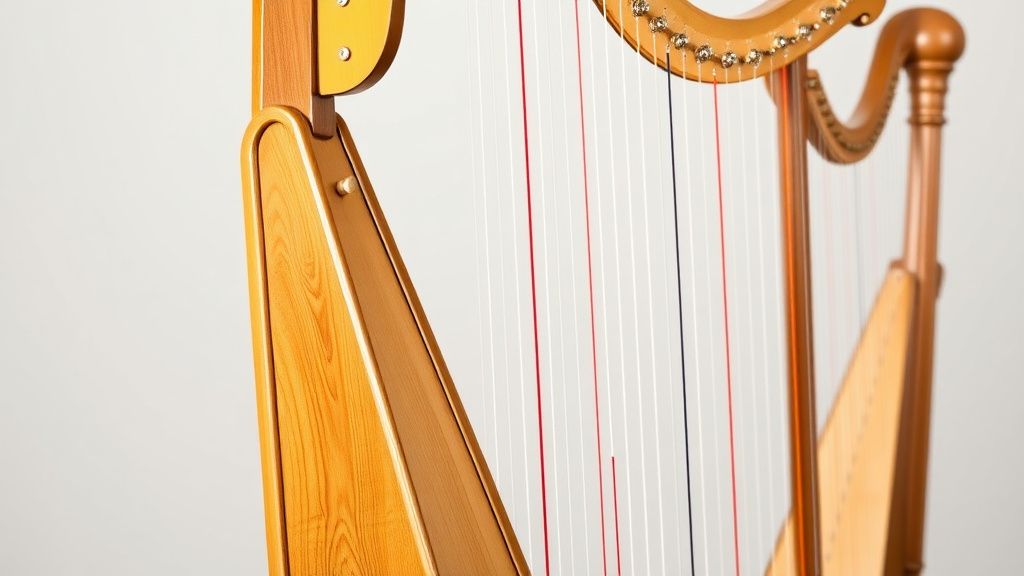
The harp is not just a musical instrument; it’s a significant investment. Whether you own a pedal harp, lever harp, or a smaller folk harp, these instruments can cost anywhere from a few thousand dollars to tens of thousands. Given their delicate construction and high value, protecting your harp with insurance is a smart and necessary step. Harp insurance safeguards your investment against theft, damage, and other unforeseen events, ensuring peace of mind as you focus on your music.
What Does Harp Insurance Cover?
Harp insurance policies are designed to address the unique risks associated with owning and transporting a harp. Here are the key areas typically covered:
1. Accidental Damage
Harp strings, soundboards, and frames are susceptible to damage from drops, impacts, or environmental factors like humidity and temperature changes. A comprehensive policy will cover repair or replacement costs for accidental damage, whether it occurs at home, during transport, or at a performance venue.
2. Theft
Harpists often travel with their instruments, making them vulnerable to theft. Insurance can cover the full value of your harp if it’s stolen, whether from your car, home, or a rehearsal space.
3. Natural Disasters
Floods, fires, and other natural disasters can destroy a harp in moments. Insurance policies often include coverage for such events, ensuring you’re not left without your instrument.
4. Liability Protection
If someone is injured by your harp (e.g., tripping over it during transport), liability coverage can protect you from legal and medical expenses.
5. Loss During Travel
Whether you’re flying to a concert or driving to a lesson, harps are at risk during transit. Insurance can cover loss or damage that occurs while your harp is in transit, including incidents involving airlines or shipping companies.
Types of Harp Insurance Policies
There are several types of insurance policies tailored to harpists, depending on your needs and circumstances:
1. Standalone Musical Instrument Insurance
This type of policy is specifically designed for musical instruments and offers comprehensive coverage for harps. It’s ideal for professional harpists or those who own high-value instruments.
2. Homeowner’s or Renter’s Insurance Add-On
Some homeowner’s or renter’s insurance policies allow you to add a musical instrument rider. While this can be cost-effective, it often comes with limitations, such as lower coverage limits or exclusions for damage outside the home.
3. Travel Insurance for Performers
If you frequently travel for performances or tours, specialized travel insurance for musicians can provide coverage for your harp and other equipment during transit and abroad.
4. Event-Specific Insurance
For harpists participating in festivals, competitions, or one-time events, short-term insurance policies can cover your instrument for the duration of the event.
What to Look for in a Harp Insurance Policy
When choosing a harp insurance policy, consider the following factors to ensure you get the best protection:
1. Coverage Limits
Ensure the policy covers the full value of your harp, including any customizations or accessories like cases, stands, or tuning keys.
2. Deductibles
Lower deductibles mean less out-of-pocket expense in the event of a claim, but they may result in higher premiums. Balance your budget with your risk tolerance.
3. Exclusions
Review the policy for exclusions, such as damage caused by wear and tear or incidents in certain locations. Make sure the coverage aligns with your usage patterns.
4. Worldwide Coverage
If you travel internationally with your harp, confirm that the policy provides worldwide protection.
5. Claims Process
Choose an insurer with a straightforward and efficient claims process, including quick turnaround times for repairs or replacements.
6. Reputation and Reviews
Research the insurer’s reputation among musicians. Look for companies with positive reviews and a history of handling harp-related claims fairly.
Tips for Maintaining Your Harp’s Condition
While insurance is crucial, maintaining your harp’s condition can minimize the risk of damage and prolong its lifespan. Here are some tips:
- Regular Maintenance: Schedule routine check-ups with a harp technician to address minor issues before they become major problems.
- Proper Storage: Store your harp in a stable environment with controlled temperature and humidity levels. Use a padded cover or case for added protection.
- Safe Transport: Invest in a high-quality harp case designed for your specific model. Secure the harp properly during transport to prevent movement and damage.
- String Care: Replace worn or broken strings promptly to avoid stress on the soundboard and frame.
Conclusion
Harp insurance is an essential tool for protecting your musical investment. By choosing the right policy and maintaining your harp’s condition, you can focus on making beautiful music without worrying about potential financial losses. Whether you’re a professional harpist or an enthusiastic amateur, safeguarding your instrument ensures it will continue to inspire and delight for years to come.
Our picks worth a closer look
- Hape Happy Harp Kid’s Musical Instrument | Award Winning Wooden Lap Harp Toy forCheck on Amazon → — see current price and specs.
- Cheerock 7 Lyre Harp Strings 7pcs String Pin Nails with Tuning Wrench ReplacemenCheck on Amazon → — see current price and specs.
- VixxNoxx Lyre Harp, 16-String Mahogany Lyra Harp Kit, Stringed Musical InstrumenCheck on Amazon → — see current price and specs.
- VixxNoxx Lyre Harp, 19-String Mahogany Lyra Harp Kit, Stringed Musical InstrumenCheck on Amazon → — see current price and specs.
- GOOHOCHY 7pcs Harp Strings Set Replacement Lyre Strings for Musical Instruments Check on Amazon → — see current price and specs.