
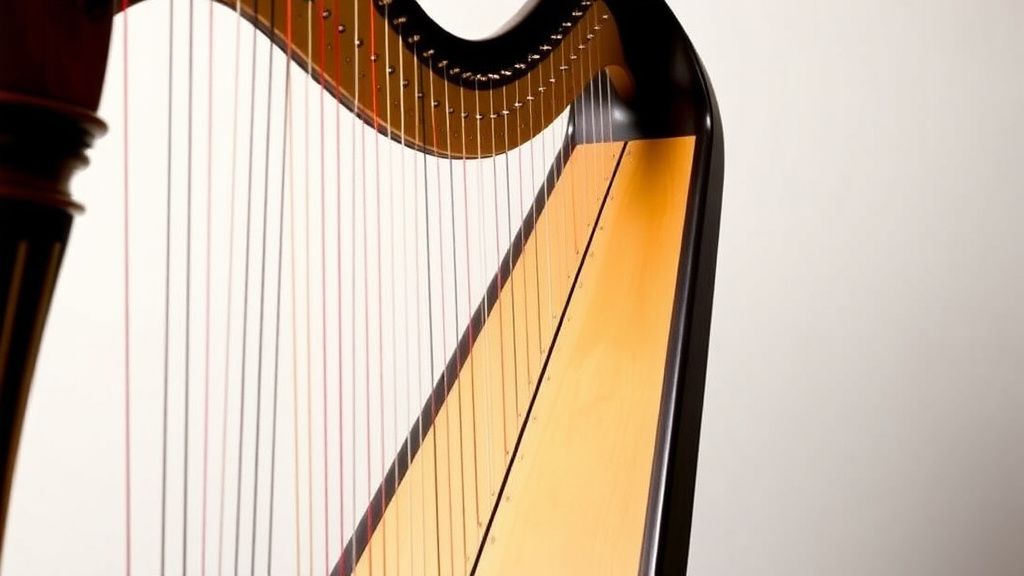
Harp for Kids: Choosing the Right Instrument and Resources
Introducing a child to the harp can be a magical experience, but selecting the right instrument and resources is crucial for fostering a lifelong love of music. Whether your child is a beginner or advancing in skill, understanding the types of harps available, key features to consider, and helpful learning tools will set them up for success.
Types of Harps for Kids
Lever Harps (Celtic or Folk Harps)
Lever harps are the most common choice for young beginners due to their manageable size and affordability. These harps use levers to change the pitch of strings, making them versatile for learning basic music theory and folk tunes.
- Size: Smaller lever harps (22–34 strings) are ideal for children, as they are lightweight (10–20 lbs) and easier to handle.
- String Material: Nylon strings are gentler on small fingers, while gut or fluorocarbon strings offer a richer tone but may require more finger strength.
Pedal Harps
Pedal harps are larger, more complex instruments typically reserved for advanced students. They feature pedals to change keys and are standard in orchestral settings.
- Suitability: Due to their size (often 47 strings and 75+ lbs), pedal harps are rarely recommended for young beginners unless they show exceptional dedication and have access to professional instruction.
Lap Harps and Toy Harps
For very young children (ages 3–6), lap harps or small toy harps can be a fun introduction. These often have fewer strings (8–15) and are made of durable materials like wood or plastic.
- Limitations: While not suitable for formal training, they help develop an early interest in music and basic hand coordination.
What to Look for in a Child’s Harp
Size and Weight
A harp should be proportionate to the child’s height and arm length. When seated, the harp’s soundboard should rest comfortably against the shoulder, and the child should be able to reach all strings without straining.
String Tension and Material
Lower tension strings (often nylon) are easier for small hands to pluck. Avoid high-tension metal strings, which can cause discomfort or discourage practice.
Durability and Build Quality
Look for solid wood construction (e.g., maple or cherry) for longevity. Laminated harps are more affordable but may lack resonance. Check for smooth levers and sturdy tuning pins to ensure ease of use.
Portability
If the child will transport the harp for lessons, consider models with built-in handles or lightweight designs. Some lever harps include padded gig bags for protection.
Essential Accessories for Young Harpists
Tuners and Maintenance Tools
- Electronic Tuners: Clip-on tuners or smartphone apps help children keep their harp in tune.
- Tuning Key: Ensure it fits the harp’s pins snugly to avoid slippage.
- String Cleaning Cloth: Prevents dirt buildup and prolongs string life.
Learning Resources
- Beginner Books: Look for method books with large notation and simple songs (e.g., Fun from the First by Laurie Riley).
- Online Lessons: Platforms like Harp School or Harp Mastery offer structured video tutorials for kids.
- Sheet Music: Start with folk songs or simplified classical pieces to maintain engagement.
Comfort Aids
- Harp Bench or Cushion: Ensures proper posture. Adjustable benches are ideal for growing children.
- Finger Guards: Soft silicone covers protect tender fingertips during long practice sessions.
Encouraging Practice and Progress
Set Realistic Goals
Break practice into short, manageable sessions (10–15 minutes for beginners) and celebrate small milestones to keep motivation high.
Incorporate Play-Based Learning
Use games, stickers, or apps like Harp Ninja to make practice fun. Duets with a teacher or parent can also build confidence.
Join a Community
Look for local youth harp ensembles or online forums where kids can share their progress and connect with peers.
Final Thoughts
Choosing the right harp for a child involves balancing size, playability, and durability. A well-selected lever harp, paired with engaging resources and supportive accessories, can make learning enjoyable and rewarding. By investing in quality tools and fostering a positive practice environment, you’ll help your young harpist develop both skill and passion for this enchanting instrument.
What to Look for: Quick Checklist
- Size: Fits the child’s body and reach.
- Strings: Nylon or low-tension for comfort.
- Build: Solid wood, smooth levers, and sturdy tuning pins.
- Extras: Tuner, beginner book, and proper seating.
- Engagement: Fun resources and a supportive learning plan.
With the right approach, the harp can become a lifelong source of joy and creativity for your child.
Our picks worth a closer look
- Hape Happy Harp Kid’s Musical Instrument | Award Winning Wooden Lap Harp Toy forCheck on Amazon → — see current price and specs.
- LIEKE 7 String Lyre Harp Instrument with Tuning Wrench,Metal Strings,Bag, MahogaCheck on Amazon → — see current price and specs.
- Cheerock 7 Lyre Harp Strings 7pcs String Pin Nails with Tuning Wrench ReplacemenCheck on Amazon → — see current price and specs.
- INKNOTE Lyre Harp A Sets of 16 Replacement Metal Strings with 20 Pcs Gold Brass Check on Amazon → — see current price and specs.
- SUPVOX 19 String Lyre Harp Strings Nylon Replacement Set, Color Coded Lyre StrinCheck on Amazon → — see current price and specs.