
Choosing the Right Harp for Your Performance
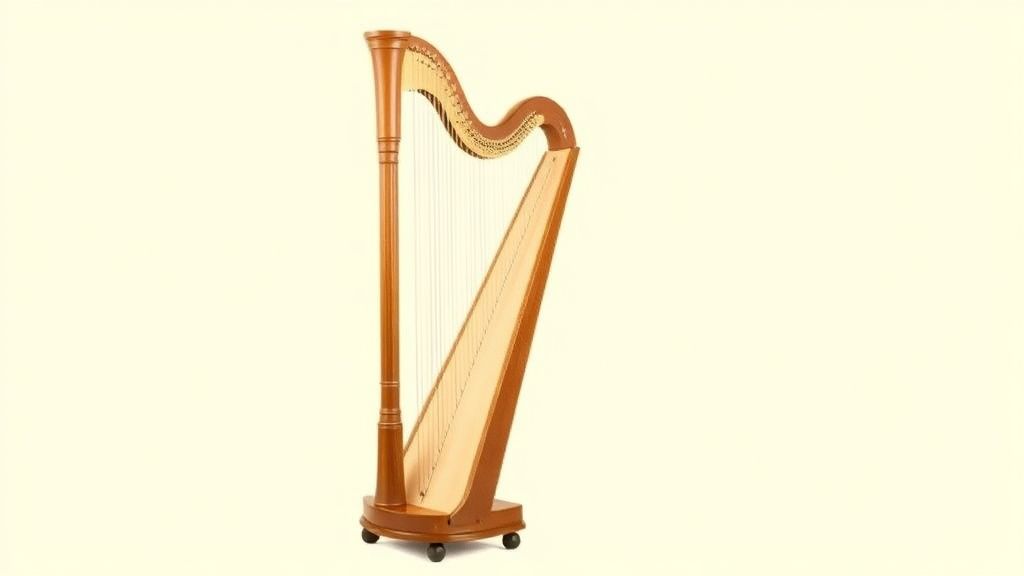
Selecting the appropriate harp for your concert is the first step toward a successful performance. Lever harps are ideal for folk or traditional music, while pedal harps are better suited for classical or orchestral settings. Consider the size of the venue and the acoustics when choosing your harp. A smaller lever harp may suffice for intimate settings, whereas a concert grand pedal harp is better for larger halls.
For lever harps, ensure the strings are in tune and the levers are functioning smoothly. Pedal harpists should check the pedal mechanism for responsiveness and quiet operation. If renting or borrowing a harp, inspect it thoroughly for any issues that could affect your performance.
Essential Accessories for Harpists
Having the right accessories can make a significant difference in your performance. Here’s what you’ll need:
-
Harp Trolley or Cart: Transporting your harp safely is crucial. A sturdy harp trolley with padded straps ensures your instrument remains secure and protected during transit. For pedal harps, consider a cart with wheels designed for smooth movement over uneven surfaces.
-
Tuning Key: Always carry a reliable tuning key. Look for one with a comfortable grip and a durable metal tip that fits snugly on the tuning pins.
-
Music Stand: A sturdy, adjustable music stand is essential. Ensure it can hold your sheet music securely and is tall enough to accommodate the harp’s height.
-
Harp Bench: A properly adjusted harp bench promotes good posture and comfort during long performances. Look for one with adjustable height and a cushioned seat.
-
String Cleaning Cloth: Keep a soft, lint-free cloth handy to wipe down your strings after playing. This helps maintain their longevity and sound quality.
Preparing Your Repertoire
Your choice of repertoire should reflect the audience and the venue. For classical concerts, consider pieces by composers like Debussy or Handel. For more casual settings, folk tunes or contemporary arrangements might be more appropriate.
Practice your pieces thoroughly, paying attention to dynamics, phrasing, and pedal or lever changes. Record your rehearsals to identify areas for improvement. If performing with others, schedule ensemble rehearsals to ensure seamless coordination.
Setting Up for the Performance
Arrive at the venue early to set up your harp and familiarize yourself with the space. Consider the following:
-
Positioning: Place your harp in a spot with good acoustics, away from drafts or direct sunlight. Ensure there’s enough space for you to move comfortably.
-
Lighting: Check that the stage lighting illuminates your sheet music without causing glare. Bring a clip-on light if necessary.
-
Sound Check: Test the acoustics by playing a few passages. Adjust your playing style or harp position if needed to achieve the best sound.
Managing Nerves and Staying Focused
Performance anxiety is common, but preparation and mindfulness can help. Practice deep breathing exercises or meditation techniques to stay calm. Visualize a successful performance to build confidence.
During the concert, focus on the music rather than the audience. If you make a mistake, keep going—most listeners won’t notice minor errors. Remember, your passion and expression are what truly captivate the audience.
What to Look for in Harp Accessories
When selecting accessories, prioritize quality and functionality. Here’s a quick guide:
- Durability: Choose accessories made from robust materials that can withstand regular use.
- Comfort: Ensure items like the harp bench and tuning key are ergonomically designed for ease of use.
- Portability: Opt for lightweight, compact accessories that are easy to transport.
- Compatibility: Verify that the accessories are suitable for your specific harp type and size.
Post-Performance Care
After your concert, take time to care for your harp and accessories. Clean the strings and body of the harp to remove any residue. Check for any wear or damage that may need attention. Store your harp in a safe, temperature-controlled environment to maintain its condition.
By following these tips, you’ll be well-prepared to deliver a memorable harp performance. Remember, thorough preparation and attention to detail are the keys to success.
Our picks worth a closer look
- Hape Happy Harp Kid’s Musical Instrument | Award Winning Wooden Lap Harp Toy forCheck on Amazon → — see current price and specs.
- GOOHOCHY 7pcs Harp Strings Set Replacement Lyre Strings for Musical Instruments Check on Amazon → — see current price and specs.
- Basic Harp for BeginnersCheck on Amazon → — see current price and specs.
- First Harp Book – Bety Paret | Harp Sheet Music for Beginners | Folk and ClassicCheck on Amazon → — see current price and specs.
- 50 Irish Melodies for All Harps | Harp Sheet Music Songbook for Lever and Pedal Check on Amazon → — see current price and specs.