
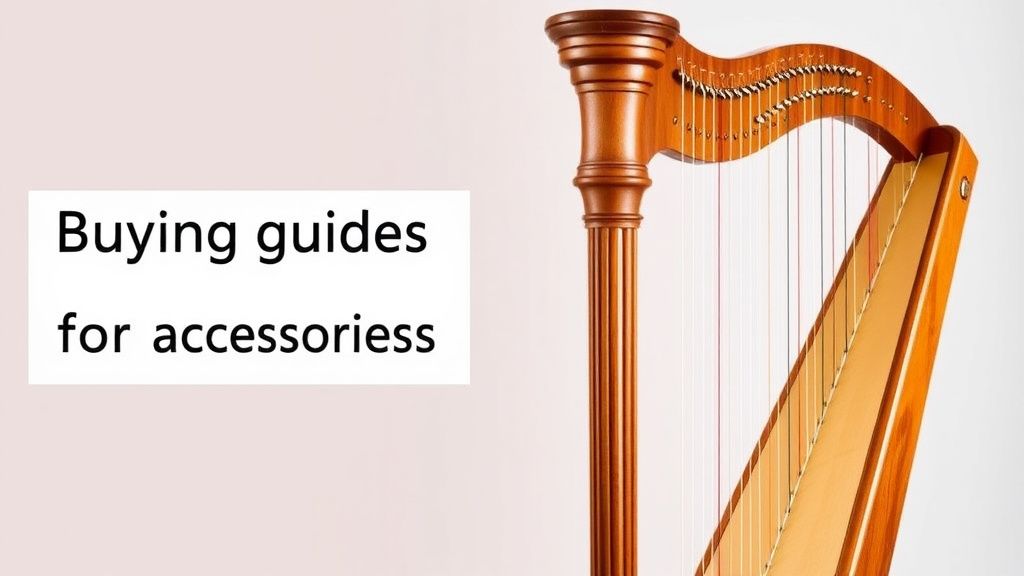
Understanding the Impact of Climate on Harps
Harps are delicate instruments made from wood, metal, and other materials that react to environmental changes. Humidity and temperature fluctuations can cause warping, cracking, or tuning instability, making climate control essential for harp care. Whether you live in a dry desert, a humid coastal area, or a temperate region, understanding how to manage these conditions will help preserve your harp’s longevity and sound quality.
The Role of Humidity in Harp Maintenance
Wood is hygroscopic, meaning it absorbs and releases moisture based on the surrounding environment. Ideal humidity levels for harps typically range between 40% and 60%. Outside this range, problems can arise:
- Low Humidity (Below 40%): Causes wood to shrink, leading to cracks, loose joints, and tuning instability.
- High Humidity (Above 60%): Leads to swelling, warping, and potential damage to the soundboard or strings.
Regularly monitoring humidity levels with a hygrometer is the first step in proactive harp care.
Harp Care in Dry Climates
In arid regions, maintaining adequate moisture is critical. Here are some strategies:
- Humidifiers: Use a room humidifier to maintain consistent humidity levels. For targeted care, consider in-case humidifiers designed for musical instruments. These small devices fit inside the harp case and release moisture gradually.
- Hydration Systems: Products like dampits or humidity sponges can be placed inside the soundbox to hydrate the wood. Ensure they are not over-saturated to avoid water damage.
- Hydration Routine: Regularly check the harp for signs of dryness, such as sharp string edges or fretboard gaps.
Harp Care in Humid Climates
Excess moisture can be just as damaging as dryness. In humid climates, focus on reducing moisture exposure:
- Dehumidifiers: Use a room dehumidifier or silica gel packs inside the harp case to absorb excess moisture.
- Proper Storage: Store your harp in a climate-controlled room away from damp areas like basements or bathrooms.
- Ventilation: Ensure the harp case has adequate airflow to prevent mold or mildew growth.
Harp Care in Temperate Climates
While temperate climates are generally easier to manage, seasonal changes can still pose challenges. Here’s how to adapt:
- Seasonal Adjustments: Monitor humidity levels during transitions between seasons. Use humidifiers in winter and dehumidifiers in summer as needed.
- Case Insulation: Invest in a high-quality harp case with insulation to buffer against sudden temperature changes.
- Regular Checks: Inspect your harp for signs of stress, such as tuning instability or unusual noises, which may indicate environmental issues.
Traveling with Your Harp: Climate Considerations
Harpists who travel must account for varying climates:
- Portable Solutions: Bring small, portable humidifiers or dehumidifiers for on-the-go care.
- Acclimatization: Allow your harp to adjust gradually to new environments by opening the case slowly and monitoring humidity levels.
- Protective Measures: Use a padded travel case with climate control features to shield your instrument from extreme conditions.
What to Look for in Humidity Control Products
When selecting tools for harp care, consider the following:
- Accuracy: Choose a reliable hygrometer with precise readings.
- Size and Portability: Ensure humidifiers or dehumidifiers fit comfortably inside your harp case.
- Ease of Use: Look for products that are simple to maintain, such as refillable humidifiers or rechargeable dehumidifiers.
- Material Safety: Ensure products are made from non-toxic materials to avoid damaging your harp.
Final Tips for Long-Term Harp Care
- Consistency: Maintain stable humidity levels year-round to prevent stress on the wood.
- Professional Maintenance: Schedule regular check-ups with a harp technician to address any climate-related issues.
- Education: Stay informed about your local climate and how it affects your instrument.
By understanding the unique challenges of your environment and investing in the right tools, you can ensure your harp remains in pristine condition for years to come. Whether you’re a beginner or a seasoned harpist, proactive humidity control is key to preserving the beauty and functionality of your instrument.
Our picks worth a closer look
- Boveda 49% Two-Way Humidity Control Packs for Music Bows & Small Woodwinds – SizCheck on Amazon → — see current price and specs.
- Boveda 49% Two-Way Humidity Control Packs for Music – Single Standard Size – ForCheck on Amazon → — see current price and specs.
- Boveda Music Small Starter Kit - (1) 49% RH Standard Boveda - Ideal Two-Way HumiCheck on Amazon → — see current price and specs.
- Hape Happy Harp Kid’s Musical Instrument | Award Winning Wooden Lap Harp Toy forCheck on Amazon → — see current price and specs.
- Boveda 49% Two-Way Humidity Control Packs for Wooden Instruments – 12-Pack – StaCheck on Amazon → — see current price and specs.