
Famous Harpists: Inspiration and Influence
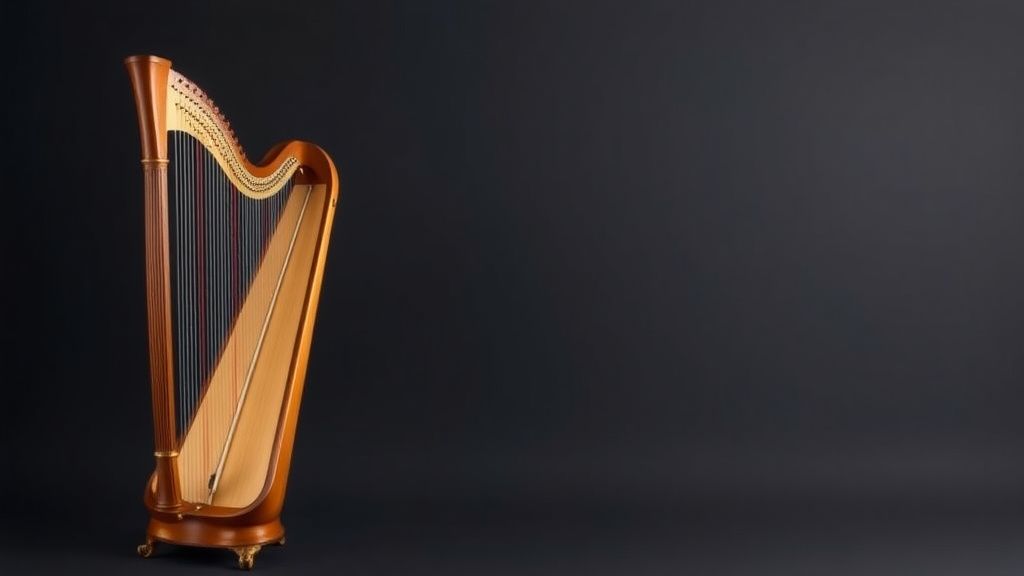
The harp is one of the most enchanting and ancient musical instruments, with a history spanning thousands of years. Throughout time, legendary harpists have shaped its evolution, inspiring generations of musicians. Whether you’re a beginner looking for your first harp or an advanced player seeking accessories, understanding the legacy of these artists can guide your choices.
Historical Icons and Their Impact
1. Carlos Salzedo (1885–1961)
A revolutionary figure in harp technique, Salzedo modernized harp playing with his innovative methods. His Method for the Harp remains a foundational text for students. He also collaborated with Lyon & Healy to design the “Salzedo Model” harp, known for its bright tone and ergonomic features.
What to look for: If you admire Salzedo’s style, consider a concert grand pedal harp with a responsive soundboard and sharp clarity in the upper register. Look for harps with nylon or gut strings for a traditional tone.
2. Harpist of the Classical Era: François-Joseph Naderman (1781–1835)
Naderman was a virtuoso and composer whose works are still performed today. His Sonatas for Harp showcase the instrument’s lyrical capabilities.
What to look for: If you’re drawn to classical repertoire, a lever harp with gut strings or a pedal harp with a warm, balanced tone will suit Naderman’s pieces. Consider a harp with a wider string spacing for intricate fingerwork.
Modern Virtuosos and Their Influence
3. Joaquín Rodrigo’s Muse: Nicanor Zabaleta (1907–1993)
Zabaleta popularized the harp as a solo concert instrument, particularly through Rodrigo’s Concierto de Aranjuez. His precise articulation and expressive phrasing set new standards.
What to look for: For a rich, resonant sound like Zabaleta’s, opt for a pedal harp with a deep soundbox and carbon fiber strings for durability and projection. A built-in pickup system can enhance amplification for performances.
4. Jazz and Innovation: Dorothy Ashby (1932–1986)
Ashby broke barriers by bringing the harp into jazz, proving its versatility. Her use of improvisation and unique techniques expanded the instrument’s possibilities.
What to look for: Jazz harpists often prefer smaller, portable harps like electric lever harps or cross-strung harps for chromatic flexibility. Look for models with MIDI compatibility for electronic effects.
5. Contemporary Star: Lavinia Meijer
Meijer’s recordings of Philip Glass and modern composers have introduced the harp to new audiences. Her use of extended techniques and pedal effects pushes boundaries.
What to look for: If experimenting with contemporary music, choose a harp with a solid pedal mechanism for quick key changes. Accessories like electronic tuners and dampers are essential for precision.
What to Look for in a Harp
When selecting a harp, consider these factors inspired by the greats:
- Type of Harp: Lever harps are ideal for folk and early music, while pedal harps suit classical and advanced repertoire.
- String Material: Gut strings offer warmth, nylon provides durability, and carbon fiber delivers brightness.
- Soundboard Quality: Spruce soundboards enhance resonance, while composite materials offer stability in varying climates.
- Portability: Smaller harps (e.g., 26–34 strings) are great for travel; concert grands (47 strings) are for serious performers.
- Accessories: A sturdy bench, tuning key, and padded case are must-haves. For amplified performances, consider a pickup or microphone.
Final Thoughts
The legacy of famous harpists continues to shape how we play, choose, and appreciate the instrument. Whether you’re drawn to Salzedo’s brilliance, Ashby’s innovation, or Meijer’s modernity, their influence can guide your harp journey—from selecting the right instrument to mastering its expressive potential.