Choosing Your First Pedal Harp: What Every Aspiring Harpist Needs to Know
The pedal harp is a magnificent and complex instrument, often considered the pinnacle of the harp family. For aspiring harpists, selecting the right pedal harp is a significant investment—both financially and in terms of musical growth. Whether you’re a student transitioning from a lever harp or a serious musician preparing for professional performances, understanding the key features of pedal harps will help you make an informed decision.
Understanding the Pedal Harp
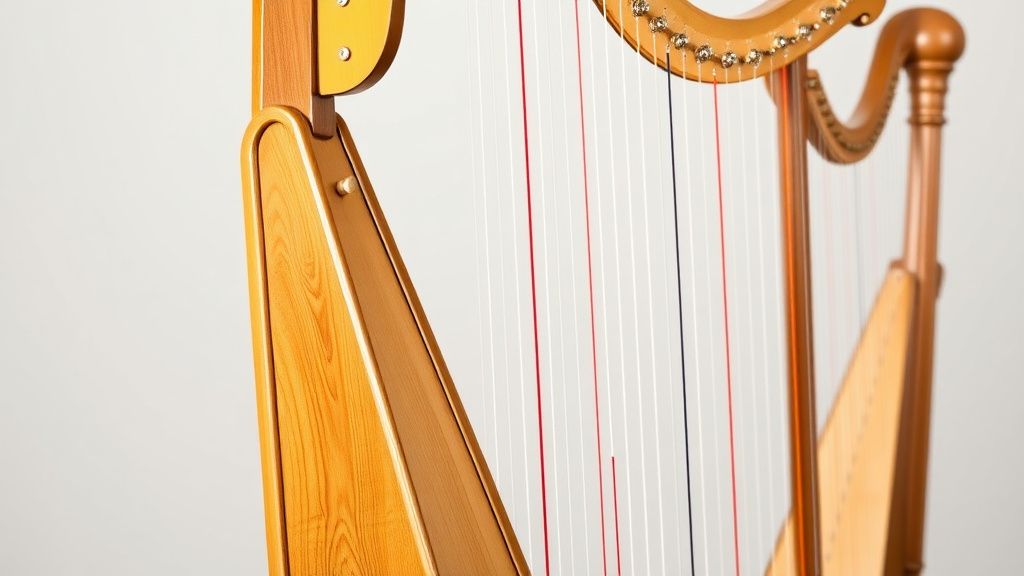
Pedal harps are distinguished by their use of foot pedals to change the pitch of the strings, allowing for chromatic playing without manual adjustments. They typically have 40 to 47 strings and are the standard for orchestral and solo performances. Unlike lever harps, which are smaller and more portable, pedal harps are larger (around 6 feet tall) and require careful handling.
Types of Pedal Harps
- Concert Grand Harp – The most common type, with 47 strings and a full range (C1 to G7). Used by professionals and advanced students.
- Semi-Grand Harp – Slightly smaller, with 44-46 strings, offering a balance between sound quality and manageability. Ideal for intermediate players.
- Student/Intermediate Harps – Designed for learners, these may have fewer strings (40-44) and lighter construction but retain essential pedal mechanics.
Key Features to Consider
1. String Count and Range
Most pedal harps have 47 strings, covering a wide range of notes. However, beginner or intermediate models may have fewer strings (40-44) to reduce weight and cost. Ensure the range suits your repertoire—most classical pieces require the full 47-string range.
2. Weight and Portability
Pedal harps are heavy, often weighing between 75-90 lbs. Some models feature lightweight soundboards or carbon fiber components to reduce weight. If mobility is a concern, look for harps with detachable bases or wheels.
3. Soundboard Material
The soundboard (usually made of spruce or cedar) greatly affects tone quality. Spruce produces a bright, resonant sound, while cedar offers a warmer tone. High-end harps may use aged wood for richer acoustics.
4. Action and Pedal Mechanism
A smooth, responsive pedal mechanism is crucial. Test the pedals for ease of movement—stiff or noisy pedals can hinder playing. Look for double-action pedals (standard on most harps), which allow each string to be raised or lowered by a semitone.
5. String Tension and Playability
String tension varies between harps. Higher tension provides more projection but requires greater finger strength. Beginners may prefer moderate tension for comfort.
6. Finish and Aesthetics
Pedal harps come in natural wood finishes (e.g., mahogany, maple, or walnut) or painted options (often black or white). While aesthetics are personal, consider durability—lighter finishes may show wear more easily.
What to Look for in a Beginner Pedal Harp
If you’re new to pedal harps, prioritize:
- Durability: A sturdy frame and reliable mechanics for long-term use.
- Ease of Maintenance: Accessible tuning pins and replaceable parts.
- Resale Value: Established brands (e.g., Lyon & Healy, Salvi, Camac) hold value better.
- Teacher/Dealer Support: Work with a reputable dealer for setup and adjustments.
Budget Considerations
Pedal harps are expensive, with entry-level models starting around $15,000 and professional harps exceeding $30,000. Consider:
- Renting or Financing: Many dealers offer rental-to-own programs.
- Used Harps: A well-maintained used harp can be a cost-effective option.
- Trade-In Policies: Some shops allow trade-ins as you upgrade.
Essential Accessories
- Transportation: A padded harp cover and a sturdy dolly or cart.
- Maintenance: Tuning key, string cleaner, and humidity control tools.
- Comfort: A quality bench with adjustable height.
Final Tips
- Try Before You Buy: Play multiple harps to compare tone and feel.
- Consult a Teacher: An experienced harpist can offer personalized advice.
- Think Long-Term: Choose a harp that will grow with your skill level.
Investing in your first pedal harp is a major step in your musical journey. By understanding these factors, you’ll find an instrument that inspires and supports your playing for years to come.
Our picks worth a closer look
- First 50 Songs You Should Play on Harp Easy Sheet Music for Pedal and Lever HarpCheck on Amazon → — see current price and specs.
- First Harp Book – Bety Paret | Harp Sheet Music for Beginners | Folk and ClassicCheck on Amazon → — see current price and specs.
- 50 Irish Melodies for All Harps | Harp Sheet Music Songbook for Lever and Pedal Check on Amazon → — see current price and specs.
- 76 Disney Songs for the Harp Arranged by Sylvia Woods | Harp Sheet Music SongbooCheck on Amazon → — see current price and specs.
- 22 Romantic Songs for the Harp | Intermediate Harp Sheet Music for Lever and PedCheck on Amazon → — see current price and specs.