
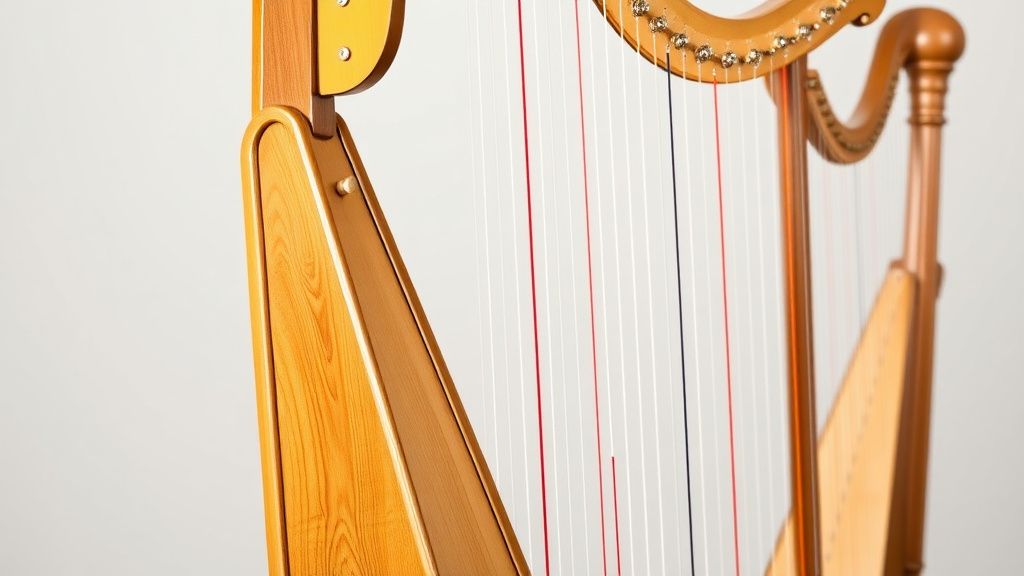
Buying Vintage Harps: What to Look For and Avoid
Vintage harps offer a unique blend of craftsmanship, history, and tonal character that modern instruments often can’t replicate. Whether you’re a collector, a professional harpist, or a beginner seeking an affordable entry point, purchasing a vintage harp requires careful consideration. Unlike new harps, vintage models may have hidden wear, structural issues, or outdated components that affect playability and value. This guide will help you identify key features, recognize red flags, and make an informed decision when buying a vintage harp.
Types of Vintage Harps
Vintage harps fall into several categories, each with distinct characteristics:
1. Pedal Harps (Concert Harps)
These are the large, orchestral harps with a complex pedal mechanism for changing keys. Vintage pedal harps from makers like Lyon & Healy or Salvi may retain excellent sound quality but often require extensive maintenance due to wear on the pedal system, soundboard, or tuning pins.
2. Lever Harps (Celtic or Folk Harps)
Smaller and more portable, lever harps are popular among folk musicians. Vintage models from brands like Dusty Strings or Triplett may have wooden or carbon-fiber levers. Older levers can be stiff or misaligned, affecting tuning stability.
3. Wire-Strung Harps
Traditional wire-strung harps, such as those modeled after historical Irish cláirseachs, are rare but prized for their bright, metallic tone. These often lack modern reinforcements, so check for neck warping or loose tuning pegs.
4. Miniature or Decorative Harps
Some vintage harps were made as decorative pieces rather than playable instruments. These may have poor string spacing, weak frames, or non-functional components.
What to Look for in a Vintage Harp
1. Structural Integrity
- Neck and Pillar: Check for cracks, warping, or separation at joints. A bent neck can indicate excessive string tension over time.
- Soundboard: Look for cracks, bulges, or water damage. A compromised soundboard drastically affects tone and may be costly to repair.
- Base and Feet: Ensure the harp sits level. Wobbly or uneven feet suggest instability or internal damage.
2. Mechanical Condition
- Pedals or Levers: Test each pedal or lever for smooth operation. Sticking, grinding, or loose mechanisms may need professional adjustment.
- Tuning Pins: Turn a few pins to ensure they hold tension. Slipping or overly stiff pins can indicate wear or corrosion.
3. Strings and Hardware
- String Condition: Old strings may be corroded or brittle. While replaceable, excessive rust on tuning pins or sharp edges on bridge pins can damage new strings.
- Bridge and Nut: Inspect for grooves or cracks where strings contact the wood. Deep grooves may cause buzzing or tuning instability.
4. Sound Quality
Play each string across its range. Listen for:
- Clarity: A clear, resonant tone without excessive buzzing or dullness.
- Balance: Even volume and sustain across low, middle, and high registers.
5. Provenance and Documentation
If possible, request:
- Original receipts or repair records to verify age and maintenance history.
- Maker’s marks or labels inside the soundbox or on the pillar to confirm authenticity.
Common Issues to Avoid
1. Hidden Structural Damage
- Separated Joints: Loose glue joints between the neck, pillar, or body can lead to catastrophic failure under tension.
- Insect or Rot Damage: Tap the wood lightly—hollow spots may indicate termites or rot.
2. Non-Original Parts
Some vintage harps have replaced tuning pins, levers, or even soundboards. While not always bad, mismatched parts can affect value and performance.
3. Excessive Restoration Needs
A harp requiring a full soundboard replacement, neck reset, or pedal rebuild may cost more to restore than buying a functional vintage instrument outright.
4. Incompatible String Tension
Older harps may not withstand modern high-tension strings. Consult a harp technician before replacing gut or wire strings with synthetic alternatives.
Where to Buy Vintage Harps
- Specialist Dealers: Reputable shops like The Harp Connection or Sylvia Woods Harp Center often refurbish vintage harps and offer warranties.
- Online Marketplaces: eBay or Facebook Marketplace can yield deals, but insist on detailed photos, videos, and a return policy.
- Estate Sales or Auctions: Local sales may offer hidden gems, but inspect thoroughly before purchasing.
Final Tips
- Hire a Technician: For pedal harps or high-value instruments, a professional inspection is worth the cost.
- Budget for Repairs: Even a “good condition” vintage harp may need new strings, lever adjustments, or regulation.
- Play Before Paying: If possible, test the harp in person or request a video demo to assess sound and mechanics.
Vintage harps can be a rewarding investment, blending artistry and history. By focusing on structural soundness, playability, and authenticity, you’ll find an instrument that resonates for years to come.
Our picks worth a closer look
- First Harp Book – Bety Paret | Harp Sheet Music for Beginners | Folk and ClassicCheck on Amazon → — see current price and specs.
- 50 Irish Melodies for All Harps | Harp Sheet Music Songbook for Lever and Pedal Check on Amazon → — see current price and specs.
- 76 Disney Songs for the Harp Arranged by Sylvia Woods | Harp Sheet Music SongbooCheck on Amazon → — see current price and specs.
- 22 Romantic Songs for the Harp | Intermediate Harp Sheet Music for Lever and PedCheck on Amazon → — see current price and specs.
- Stairway to Heaven | Harp Sheet Music Arrangement for Lever and Pedal Harp | SylCheck on Amazon → — see current price and specs.