
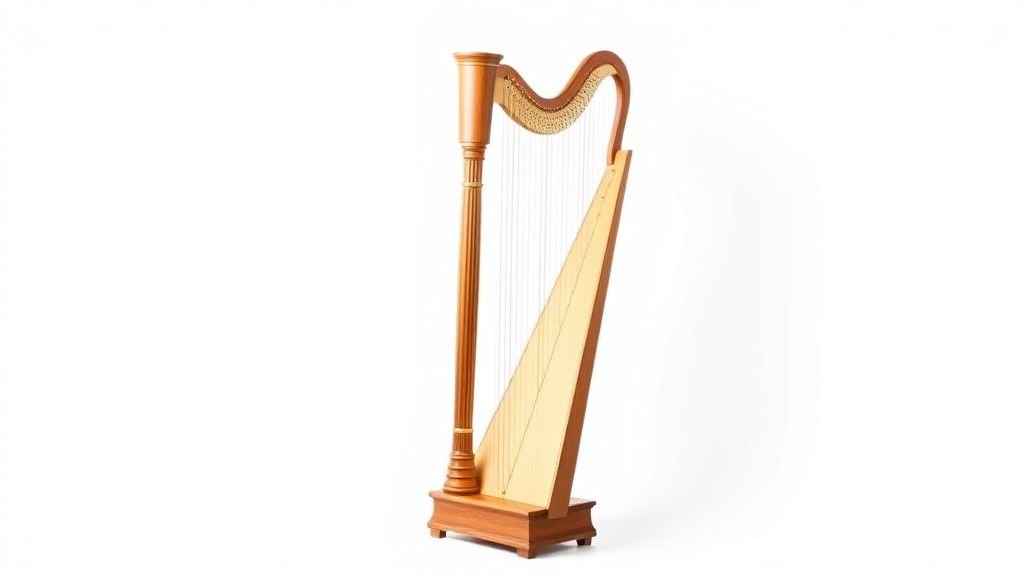
Beginner Harp Accessories: Your Essential Checklist
Starting your journey with the harp is an exciting experience, but having the right accessories can make a world of difference in your comfort, progress, and enjoyment. Whether you’re playing a beginner lever harp or upgrading your setup, this checklist covers the essential accessories every harpist needs.
1. Harp Stand
A sturdy harp stand is crucial for keeping your instrument safe and accessible. Look for stands that are adjustable to fit your harp’s size and height. Some stands feature padded arms to protect the harp’s finish, while others have foldable designs for portability.
- Types: Floor stands, tabletop stands (for smaller harps), and travel stands.
- Key Features: Adjustable height, non-slip feet, and lightweight construction.
- Why It’s Essential: A stand prevents damage from leaning your harp against walls or furniture and makes it easier to practice comfortably.
2. Tuner
Keeping your harp in tune is essential for developing your ear and ensuring a pleasant playing experience. Digital tuners are a beginner’s best friend, offering accuracy and ease of use.
- Types: Clip-on tuners (attach to the harp), handheld tuners, and tuning apps.
- Key Features: Chromatic tuning (for all notes), visual feedback (like a needle or LED display), and audible tone options.
- Why It’s Essential: Regular tuning helps maintain your harp’s sound quality and teaches you to recognize correct pitch.
3. Humidifier
Harp strings and wood are sensitive to changes in humidity, which can cause warping, cracking, or tuning instability. A humidifier helps maintain the ideal humidity level for your instrument.
- Types: In-case humidifiers (small tubes or packs), room humidifiers, and soundhole humidifiers (for pedal harps).
- Key Features: Consistent moisture release, easy refill or replacement, and portability.
- Why It’s Essential: Proper humidity levels protect your harp’s longevity and tone.
4. Harp Bench
A comfortable and ergonomic bench is vital for maintaining good posture during practice. Harp benches are designed to be the right height for playing and often include storage for small accessories.
- Types: Adjustable benches, padded benches, and benches with storage compartments.
- Key Features: Height adjustability, cushioning, and stability.
- Why It’s Essential: Proper posture reduces fatigue and prevents strain during long practice sessions.
5. Music Stand
A music stand is a must-have for reading sheet music or instructional materials while playing. Adjustable stands allow you to position your music at the perfect angle and height.
- Types: Portable stands, desk-top stands, and harp-mounted stands.
- Key Features: Adjustable height, sturdy base, and lightweight design.
- Why It’s Essential: A music stand keeps your hands free and helps you focus on playing.
6. Case or Gig Bag
Protecting your harp during transport is essential, especially if you plan to take it to lessons or performances. Cases and gig bags come in various styles to suit different needs.
- Types: Hard cases (for maximum protection), padded gig bags (lightweight and portable), and hybrid cases.
- Key Features: Padding, shoulder straps, and additional storage pockets.
- Why It’s Essential: A case safeguards your harp from bumps, scratches, and environmental factors.
7. Strings and String Winder
Strings are a harp’s lifeline, and beginners should always have a spare set on hand. A string winder makes replacing strings quicker and easier.
- Types: Nylon strings (common for lever harps), gut strings, and fluorocarbon strings.
- Key Features: Smooth winding, durability, and compatibility with your harp’s tuning pins.
- Why It’s Essential: Broken strings can disrupt practice, and a winder simplifies the replacement process.
8. Cleaning and Maintenance Kit
Regular cleaning keeps your harp looking and sounding its best. A basic kit includes items for polishing, dusting, and string care.
- Types: Microfiber cloths, wood polish, string cleaner, and soft brushes.
- Key Features: Non-abrasive materials and harp-safe formulas.
- Why It’s Essential: Proper maintenance preserves your harp’s finish and extends its lifespan.
9. Practice-Room Gear
Creating a comfortable practice environment helps you stay focused and motivated. Consider accessories like metronomes, recording devices, and headphones.
- Types: Mechanical metronomes, digital metronomes, audio recorders, and noise-canceling headphones.
- Key Features: Tempo control, recording quality, and comfort.
- Why It’s Essential: These tools help you track progress, refine timing, and practice quietly if needed.
10. Sheet Music and Instructional Books
Having a collection of beginner-friendly sheet music and instructional books can guide your learning and inspire your playing.
- Types: Beginner harp books, classical pieces, folk tunes, and method books.
- Key Features: Clear notation, progressive difficulty, and varied styles.
- Why It’s Essential: Structured materials provide direction and keep your practice sessions engaging.
What to Look for When Buying Harp Accessories
When selecting accessories, keep these tips in mind:
- Compatibility: Ensure the accessory fits your harp’s size, type, and tuning system.
- Quality: Invest in durable, well-made products that will last.
- Portability: If you travel frequently, opt for lightweight, compact options.
- Ease of Use: Choose accessories that simplify your practice routine, not complicate it.
- Reviews: Read user reviews to gauge reliability and performance.
By equipping yourself with these essential accessories, you’ll set the foundation for a rewarding harp-playing experience. Happy practicing!
Our picks worth a closer look
- 50 Irish Melodies for All Harps | Harp Sheet Music Songbook for Lever and Pedal Check on Amazon → — see current price and specs.
- Stairway to Heaven | Harp Sheet Music Arrangement for Lever and Pedal Harp | SylCheck on Amazon → — see current price and specs.
- World of Harmony Music; Child’s Play ~ A Beginner’s Collection of 28 Favorite ChCheck on Amazon → — see current price and specs.
- First 50 Songs You Should Play on Harp Easy Sheet Music for Pedal and Lever HarpCheck on Amazon → — see current price and specs.
- Roosebeck Harp String Set, 19, F - CCheck on Amazon → — see current price and specs.