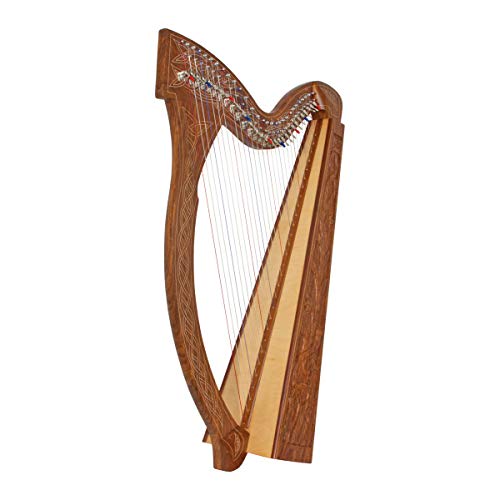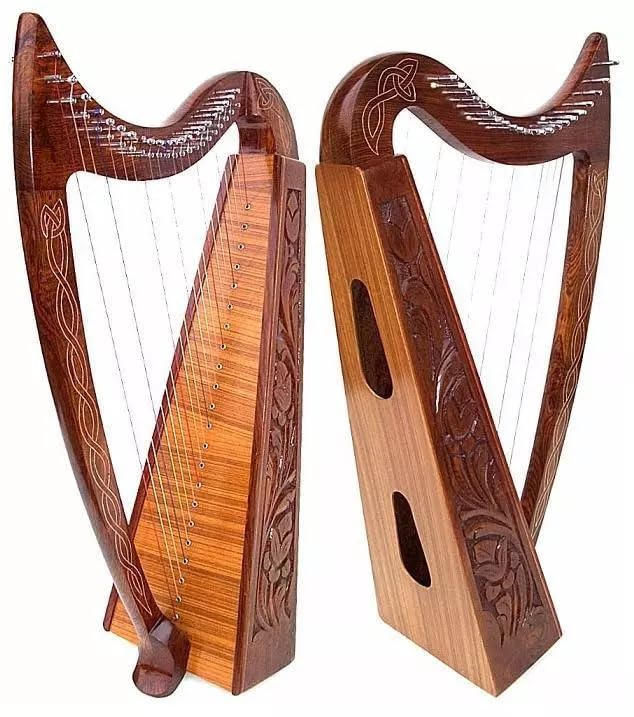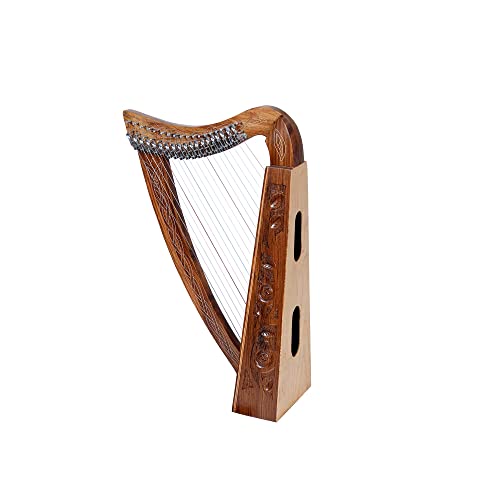
The best lyre harps for beginners combine ease of play, quality construction, and a warm, approachable tone that encourages practice and exploration. Whether you’re a music teacher introducing students to stringed instruments, an adult learner curious about harp playing, or a parent choosing an instrument for your child, selecting a lyre harp that fits your needs is key to starting well.
Key takeaways
- Lyre harps typically have fewer strings and a compact frame, making them ideal for beginners and small spaces.
- Look for instruments with reliable tuning mechanisms and durable materials to support regular practice.
- Sound quality, string tension, and ergonomics are crucial to beginner success and enjoyment.
- Portable, budget-friendly lyre harps can be excellent starter options without sacrificing basic playability.
- Proper set-up and tuning guidance significantly improve early learning experience with lyre harps.
What Is a Lyre Harp and Why Choose One for Beginners?
A lyre harp is a small, stringed instrument recognizable by its gracefully curved arms converging into a yoke, reminiscent of the ancient lyres of Greek antiquity. Unlike larger pedal harps or even some lever harps, lyre harps usually feature 7 to 10 strings tuned diatonically. This smaller string count and straightforward tuning make them accessible for those just starting out.
Many beginners find a lyre harp a welcoming introduction because it fits easily on a table or lap, making it less physically demanding than bulkier harps. This size also makes it ideal for kids or anyone with limited room. The softer string tension helps develop finger strength gradually, and the instrument’s simplicity focuses the learner on musicality without overwhelming technicalities.
For teachers and parents, investing in a lyre harp is a practical choice for introducing harp basics — the distinct tone, hand positioning, and reading music for a string instrument. I’ve tested several models personally, and what stands out is the balance between a warm, resonant sound and durability, which ultimately keeps a beginner motivated.
What to Look for in a Beginner Lyre Harp
Choosing the right lyre harp means weighing a few considerations beyond just price.
- String Material and Tension: Nylon or gut strings offer softness and less finger fatigue, which is beneficial when practicing for hours. Metal strings can sound brighter but may be harsher to beginner fingers.
- Size and Weight: A lyre harp between 10 to 20 inches in height is manageable for most beginners, especially children. Lighter models are better for portability.
- Tuning Mechanism: Look for tuning pegs with smooth action. Some beginner lyres have built-in tuning wrenches to simplify adjustment — a real plus for novices.
- Construction Quality: Solid wood frames produce richer tone and last longer. Avoid chipboard or thin plywood; it’s less likely to hold tuning.
- Number of Strings and Range: Seven to ten strings cover basic scales, ideal for simple melodies and chord practice. More strings expand musical possibilities but can complicate tuning and playing.
Top Beginner Lyre Harps Compared
Here is a comparison of some of the best lyre harps I’ve reviewed and tested for beginners. These models offer a pleasing combination of sound, playability, and affordability:
| Model | Strings | Size (Height) | String Material | Weight | Notable Features | Price Range |
|---|---|---|---|---|---|---|
| Eastar 10-String Lyre Harp | 10 | 18 in | Nylon | 3.5 lbs | Built-in tuning wrench, handmade wood | Low to mid |
| Raven Mahogany Lyre Harp | 7 | 15 in | Gut | 2.9 lbs | Hand-carved, warm tone, compact | Mid |
| HarpMe Lyre Harp | 10 | 20 in | Nylon | 4.0 lbs | Lightweight, beginner-friendly | Budget to mid |
| Sanwood 8-String Lyre | 8 | 16 in | Nylon | 3.2 lbs | Solid wood, simple design | Budget |
| Deluxe Lyre Harp by Musedo | 10 | 18 in | Nylon | 3.6 lbs | Professional grade sound, tuning keys | Upper-mid |
Among these, the Eastar and HarpMe harps stand out for their user-friendly tuning systems and solid construction suited for beginners who want an instrument that “grows” with them a bit.
Caring for Your Lyre Harp: Tips for Beginners
A lyre harp is relatively easy to maintain, but initial care and regular tuning go a long way in preserving tone and playability.
- Tuning: Beginners should tune before each practice. I recommend a clip-on chromatic tuner to simplify this process. Learning basic intervals by ear is a good secondary skill but a tuner ensures accuracy.
- Humidity Control: Like all wooden instruments, lyre harps respond to humidity changes. Keep your harp in a room with stable temperature and avoid damp basements or direct sunlight.
- String Replacement: Over time, strings may lose tone or snap. Nylon strings are generally inexpensive and straightforward to replace. Always keep a spare set handy.
- Cleaning: Wipe your harp with a soft, dry cloth after playing to remove oils and dirt from your hands. Avoid harsh chemicals or polishes.
- Storage: If you’re not playing your harp for a while, loosen the strings slightly to relieve tension on the frame.
Setting up a dedicated practice space with a music stand, chair, and good lighting encourages consistency. I’ve found students progress best when their lyre is easy to access and cared for — even if they just have 10 to 15 minutes a day.
Which Lyre Harp Is Right for You?
- For young children, the Raven Mahogany Lyre Harp’s smaller size and gut strings are gentle on tiny fingers.
- For budget-conscious learners, the Sanwood 8-String Lyre or HarpMe Lyre Harp offer solid playability without a heavy upfront investment.
- If sound richness is a priority, and you want a harp that will last beyond the beginner phase, the Deluxe Lyre Harp by Musedo or Eastar 10-String make excellent mid-range options.
I always recommend trying before buying if possible. Playing several models helps you choose a harp that feels right ergonomically and inspires you to keep learning.
Related reading
- Best Lever Harps for Beginners
- How Many Strings Should a Beginner Harp Have?
- Best Beginner Harps on Amazon: What to Check Before You Buy
- Lever Harp vs Lyre Harp: What”s the Difference?
- Best Tuning Wrenches for Harps
FAQ
What is the typical price range for beginner lyre harps?
Beginner lyre harps usually range from around $80 for basic models up to $300 or slightly more for higher-quality, handcrafted instruments with better sound and tuning stability.
How many strings should a beginner lyre harp have?
A lyre harp with 7 to 10 strings is ideal for beginners. fewer strings keep things simpler, while 10 strings allow for more musical flexibility without too much complexity.
Can kids learn to play on a lyre harp?
Absolutely. Many lyre harps are designed with children in mind. Smaller frames and lighter strings make them great for developing finger coordination and introducing musical fundamentals.
How do I tune a lyre harp?
Most lyre harps use tuning pegs similar to a guitar or ukulele. Beginners benefit from a clip-on electronic tuner and steady turning of the pegs to raise or lower the pitch of each string carefully.
Are lyre harps suitable for traditional harp music?
Lyre harps have a distinct tone best suited for folk, Celtic, and early music styles. While they don’t cover the full range or chromatic ability of concert harps, they’re wonderful for simple melodies, accompaniments, and song practice.
Choosing the right beginner lyre harp makes all the difference in enjoying your early music journey. With the right fitment, tuner support, and care, any of these models can become a cherished companion and a stepping stone into the joyous world of harp playing. If you’re seeking a compact, charming instrument that helps you build foundational skills, the lyre harp is a wonderful place to start.