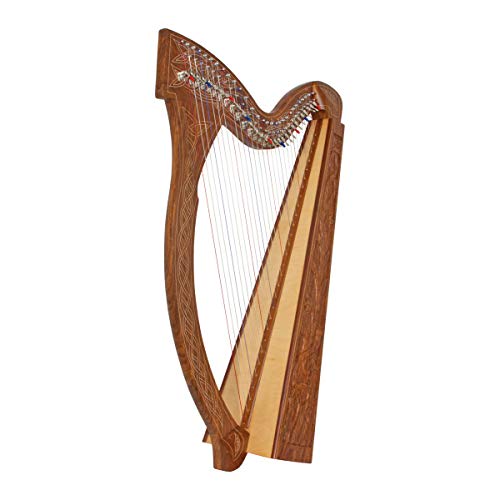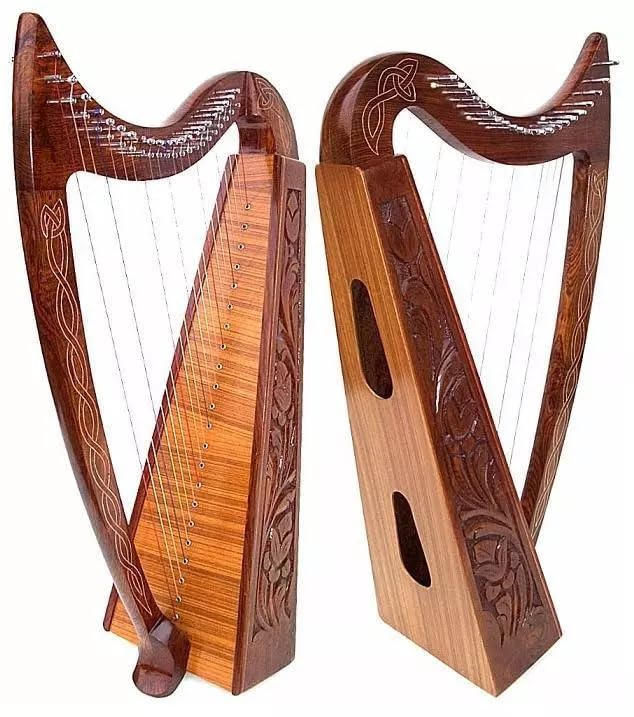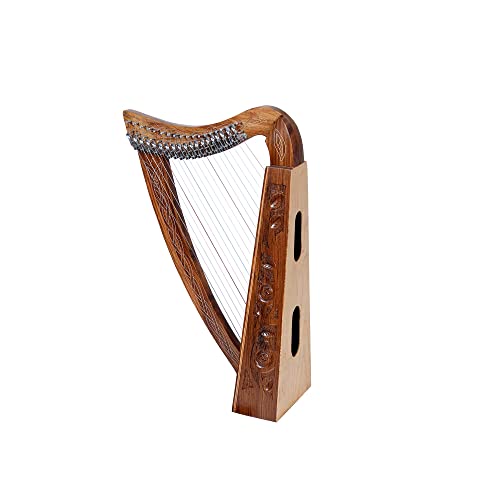
Choosing your first harp is an exciting step, but the question “Should you rent or buy your first harp?” often comes up, especially if you’re just starting out. Both options have clear benefits and potential drawbacks depending on your goals, budget, and how committed you are to learning.
Key takeaways
- Renting a harp is ideal for beginners testing their commitment, offering flexibility and lower upfront costs.
- Buying your first harp makes more sense for those ready to invest long-term and want a personal instrument to practice on regularly.
- Consider harp size, sound quality, and maintenance needs whether renting or buying, as these affect your experience and progress.
- Renting costs can add up over time; buying can be more cost-effective if you plan consistent practice beyond the beginner stage.
- Whether renting or buying, always factor in delivery, setup, and proper care to get the most from your harp.
Renting Your First Harp: Flexibility and Lower Initial Investment
When I first delved into harps, I noticed many players grappled with the upfront cost. Harps, especially lever or pedal models, are a substantial investment, often ranging between several hundred to several thousand dollars. Renting allows you to start with a more manageable monthly fee, which can be particularly attractive if you’re uncertain about the duration of your commitment.
Pros of Renting
- Lower initial cost: You avoid a large purchase price, making it easier to try a harp without financial strain.
- Try before you buy: Renting different harp models gives you hands-on experience to find what suits your playing style and preferences.
- Maintenance usually included: Many rental companies offer regular servicing and string replacement, reducing hassle.
- Short-term commitment: If your schedule or interest is uncertain, renting provides an easy exit strategy without worrying about resale.
Cons of Renting
- Cost adds up: Over months or years, rental payments can approach or exceed the price of buying a harp outright.
- Limited customization: Rental harps may not match your ideal size, tone, or aesthetic preferences.
- Responsibility for damage: You must be careful since damages may result in fees or lost deposits.
- Availability: Some rental programs have limited models or sizes, making it harder to find a perfect fit quickly.
From my experience advising beginners, renting is a prudent choice if you’re still exploring whether harp playing will be a long-term pursuit. It also suits students who might outgrow the initial instrument as their skills develop.
Buying Your First Harp: Commitment and Personal Investment
Buying a harp is a milestone—it means you’re committing to your playing journey and creating a personal relationship with your instrument. This path offers more control over the harp’s characteristics and care but requires a bigger upfront investment and more attention to maintenance.
Pros of Buying
- Ownership: You can personalize strings, setup, and care routines without restrictions.
- Long-term cost efficiency: If you play regularly, buying is usually more economical than renting for years.
- Wide selection: Allows choosing from new or used harps of your preferred size, brand, and sound.
- Emotional connection: Many players form a bond with their harp that enhances their playing experience.
Cons of Buying
- High upfront cost: Initial purchase, shipping, and setup can be daunting for beginners on a tight budget.
- Maintenance responsibilities: You must manage tuning, repairs, and string replacement yourself or via a professional.
- Resale challenges: If you decide to stop playing or upgrade, selling a harp takes patience and effort.
- Space and care: Harps are delicate; finding a good home environment (humidity, temperature, dust control) is essential.
As someone who has helped many harpists set up home practice rooms, I always advise newcomers to budget not just for the harp but also for its care accessories: tuning keys, a humidifier or dehumidifier, a stand, and a sturdy case or cover.
What to Consider When Renting vs Buying
Choosing between renting and buying isn’t just about cost. Here are the biggest considerations to help you decide:
| Factor | Rent | Buy |
|---|---|---|
| Initial Cost | Low (monthly fees) | High (one-time payment) |
| Commitment Length | Flexible; short-term options | Long-term commitment |
| Instrument Choice | Limited to available rental models | Wide choice; can be custom or used |
| Maintenance | Often included | Owner’s responsibility |
| Customization | Limited | Full control |
| Setup & Space | Rental service may assist | Owner must arrange delivery/set-up |
| Resale Options | Not applicable | Potential to recoup investment |
| Lifestyle Fit | Great for uncertain beginners | Ideal for committed learners |
Tips for Selecting Your First Harp—Rental or Purchase
No matter the path you choose, these tips will help you get the best start with your harp:
- Try in person first if possible — Visiting a shop or harp program to play instruments helps you assess size, weight, and tone.
- Consult a teacher or experienced player — Their guidance can prevent common mistakes like choosing an overly large or complicated model.
- Check rental agreements carefully — Understand the terms about maintenance, damage fees, and contract length before signing.
- Budget for accessories and care items — Essential tools include a tuning key, spare strings, and a cover or case.
- Plan for tuning and humidity control — Harps are sensitive to environmental changes; a humidifier or dehumidifier may be necessary for your location.
- Consider future growth — If you rent to start, think about the timeline when you might want to buy a harp tailored to your developing skills.
Harp Types to Consider for Beginners
For your first instrument—rented or purchased—lever harps tend to be more accessible than pedal harps. They’re smaller, more affordable, and easier to manage in a home setting.
- Small lever harps (22–36 strings) are a good starting point for children and adults.
- Mid-size lever harps (36–38 strings) offer a richer sound and extend your repertoire options.
- Pedal harps are usually larger and more expensive, suitable if you’re certain about pursuing advanced playing or professional study.
I’ve found many beginners are pleasantly surprised by how portable and manageable a mid-size lever harp can be. It strikes a balance between full sound and room fitment.
Related reading
- How Many Strings Should a Beginner Harp Have?
- Best Lever Harps for Beginners
- Amazon Checklist for New Harp Owners
- Best Beginner Harps on Amazon: What to Check Before You Buy
- Best Tuning Wrenches for Harps
FAQ
Should I rent or buy a harp if I’m not sure I’ll stick with it?
Renting is often the best approach. It lets you explore without committing to a large purchase. Plus, rental programs usually include maintenance support.
How much does it cost to rent a harp monthly?
Prices vary by model and region, but expect anywhere from $50 to $150 a month. Higher-end pedal harp rentals can be more expensive.
What additional costs should I expect when buying my first harp?
Beyond the instrument cost, plan for shipping or delivery fees, setup, an adjustable bench, tuning key, spare strings, and possibly a humidifier to protect your harp.
Can I rent a harp long-term?
Yes, many rental programs accommodate extended rental periods. Just keep in mind the cumulative cost over time.
Is it better to buy new or used if I decide to purchase?
Both have pros and cons. New harps come with warranties and guarantee pristine condition, but used harps might offer better value and character if carefully inspected.
Deciding whether to rent or buy your first harp depends greatly on your circumstances and intentions. From my years of experience helping beginner players find the right fit, my best advice is to be honest about your commitment level and budget—and to try playing a few harps in person if you can. That way, you’ll be well equipped to enjoy your musical journey, whichever road you choose.