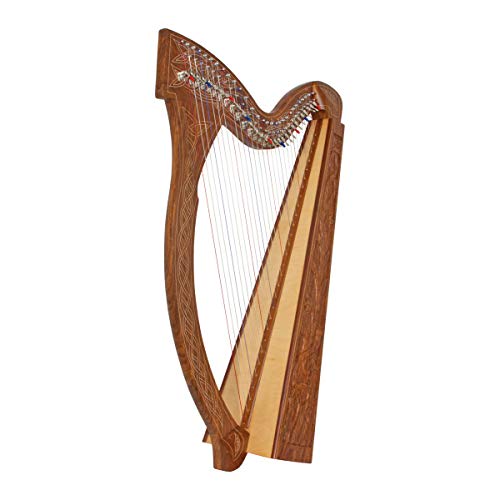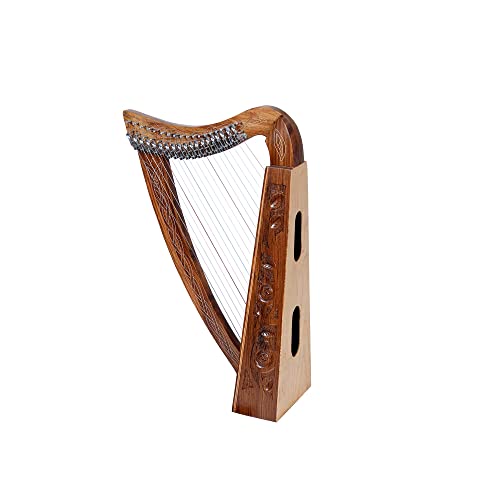
Setting up a harp practice room at home is a rewarding project that balances acoustics, comfort, and care for your instrument. Whether you’re a beginner, a music teacher, or gifting a harp to a loved one, creating a dedicated space helps deepen your connection with this beautiful instrument.
Key takeaways
- Choose a quiet, temperature and humidity-controlled space free from direct sunlight for your harp.
- Soft furnishings and room layout impact sound quality; balance acoustics to avoid overly bright or muffled tones.
- Secure a comfortable seating arrangement at the right height to support posture and playing comfort.
- Invest in proper harp care tools and gear to maintain tuning and protect your instrument.
- Organization and lighting enhance practice efficiency and reduce fatigue.
Choosing the Right Space for Your Harp Practice Room
Your harp sounds best in a room where temperature and humidity are moderate and consistent. Harps are sensitive to environmental changes, and wooden components can warp or crack if exposed to extreme dryness or moisture. I’ve found that mid-sized rooms away from heating vents or drafty windows work well—basements can be tricky due to dampness, while kitchens and bathrooms are usually unsuitable.
Here are a few points to consider:
- Avoid direct sunlight. Sun rays can discolor the wood and cause uneven drying.
- Control humidity. Aim for relative humidity around 45–55%. A hygrometer and small room humidifier or dehumidifier help maintain this range.
- Reduce noise distractions. Choose a room where you won’t be interrupted by household activity.
- Access to power and lighting. While the harp itself does not need power, having outlets nearby is useful for electronic tuners, lamps, and recording gear.
Acoustic and Furniture Setup for Best Sound and Comfort
I’ve spent considerable time testing different rooms and setups, and sound quality depends heavily on furnishings and room shape. Completely bare rooms produce a harsh, reflective sound, while overly carpeted rooms can make your harp sound dull.
Recommended acoustics:
- Use a balance of soft and reflective surfaces — rugs, curtains, and upholstered chairs soften echoes but leave enough reflective surfaces (bare walls, wood floors) to retain brightness.
- Avoid heavy drapes directly behind the harp; you want sound projection to flow freely toward the listener or recording device.
- Bookshelves or a few wall hangings help diffuse sound and reduce flutter echoes.
Seating and positioning:
- A height-adjustable chair without wheels is ideal to maintain good posture.
- Position your harp and chair where you have natural light that doesn’t shine directly on strings or your eyes.
- Leave enough space around the harp for tuning and maintenance access.
Essential Harp Care Items and Organization Tips
Maintaining your harp’s tuning and condition at home is vital, and organizing your practice room around these tasks makes practice more enjoyable and efficient. My editing experience has shown that having the right care items on hand prevents damage and lightens your mental load.
Care kit essentials:
| Item | Purpose |
|---|---|
| Electronic or clip tuner | Quick, accurate tuning |
| Tuning key | For manual string adjustments |
| Harp cover or cloth | Protects from dust when not in use |
| Small humidifier | Keeps air moisture stable inside the room |
| String cleaner or conditioner | Extends string life and tone |
| Music stand | Holds sheet music at an ergonomic height |
| Light source | A warm, adjustable lamp for night or dim lighting |
In my own setup, I keep these items on a small rolling cart or side table, so everything is within reach but doesn’t clutter the space.
Lighting and Ambiance: Supporting Long Sessions
Good lighting is often overlooked but critically important. Harp practice involves reading sheet music and watching your hands, so bright yet warm light reduces eye strain. A dimmable LED desk lamp or clip-on music stand light works well, especially in the evenings.
Additionally, some musicians benefit from a small fan for air circulation without creating drafts near the harp — airflow can reduce room stuffiness but avoid placing the fan directly on or pointing at the instrument. Plants not only enhance mood but also slightly improve air quality and natural humidity levels. I add a few low-maintenance green plants in my harp room for a cozy feel.
Comparison Table: Harp Practice Room Essentials Checklist
| Feature | Why It Matters | Recommendations |
|---|---|---|
| Room size | Sound balance and comfort | Medium rooms (100–150 sq. ft.) |
| Lighting | Reduces eye strain, sets mood | Adjustable LED / warm bulbs |
| Chair | Supports posture and playing comfort | Height-adjustable, firm seat |
| Flooring | Acoustic control without deadening sound | Wood or laminate + rug combo |
| Humidity control | Preserves wood, tuning stability | Hygrometer + small humidifier |
| Sound diffusion | Avoids harsh echo or dullness | Bookshelves, wall art |
| Instrument care items | Maintains harp condition | Tuner, key, cover, string care |
| Seating position | Accessibility for tuning and practice | Near natural light, uncluttered |
Related reading
- Amazon Checklist for New Harp Owners
- Lever Harp vs Lyre Harp: What”s the Difference?
- Best Piano Benches That Work for Harp Players
- Best Lever Harps for Beginners
- What to Check Before Buying Harp Strings Online
FAQ
How much space does a harp practice room need?
A space around 10 x 12 feet (or roughly 100–150 square feet) is ideal. This allows room for the harp, a practice chair, music stand, and some acoustic treatments without feeling cramped.
What room temperature is ideal for harp storage and practice?
Maintain a temperature between 65°F and 75°F. Avoid extremes which can cause wood components to expand, contract, or crack.
Can I use an electric harp in the same room setup as an acoustic harp?
Yes, many principles apply equally, but you might also want to add power outlets and perhaps soundproofing if you’ll use headphones or amplification.
How do I prevent my harp from going out of tune frequently in a home environment?
Control your room’s humidity consistently, minimize temperature swings, and tune frequently. Keeping a humidifier or dehumidifier nearby helps maintain a stable environment.
Is it necessary to have a dedicated harp practice room?
While it’s not mandatory, having a dedicated quiet space enhances focus, protects your instrument, and supports longer, more productive practice sessions.
Setting up your harp practice room thoughtfully ensures a nurturing environment for your music to bloom. My advice, grounded in years of hands-on testing and care, is to prioritize comfort, stability, and sound quality over trends or flashy gadgets. Your harp—and your ears—will thank you.