Finding the best gifts for beginner harpists means balancing musical quality, ease of use, and practical support for new players. Whether you’re buying for a child just starting lessons or an adult picking up the harp as a new hobby, thoughtful gifts can enhance their learning experience and keep them motivated.
Key takeaways
- Practical gifts like harp stands, tuners, and lesson books support daily practice and instrument care.
- Beginner harps suitable in size and string tension help reduce frustration and encourage consistent playing.
- Accessories like finger picks, metronomes, and practice mutes can improve technique and timing.
- Listening and learning aids such as play-along CDs and apps make practice more engaging.
- Personalized gifts, including music-themed decor or journal notebooks, add warmth and encouragement.
Why Thoughtful Gifts Matter for Beginner Harpists
As someone who’s worked extensively with harpists setting up their home practice rooms, I’ve seen firsthand how the right gifts can make or break a beginner’s enthusiasm. A harpist new to the instrument needs tools, accessories, and resources tailored to their early skill level. For example, a quality harp tuner simplifies the confusing world of pitch adjustments, and well-designed beginner books guide them step-by-step through their first pieces.
Beginners often face unique challenges: finger soreness, tuning difficulties, and uncertainty about practice routines. Gifts addressing those pain points demonstrate care and encourage regular playing, which is crucial for steady progress on this beautifully complex instrument.
Essential Gifts for Beginning Harp Players
Beginner Harps: Choosing the Right Instrument
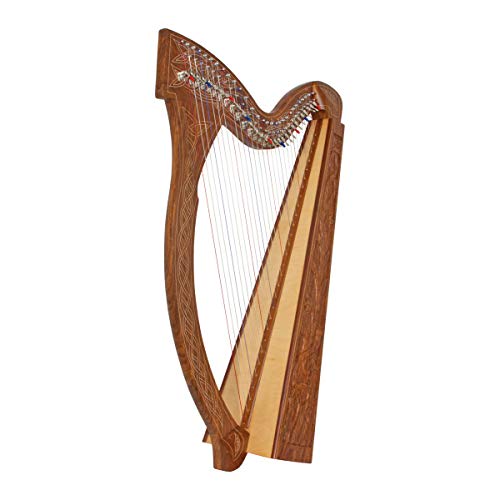
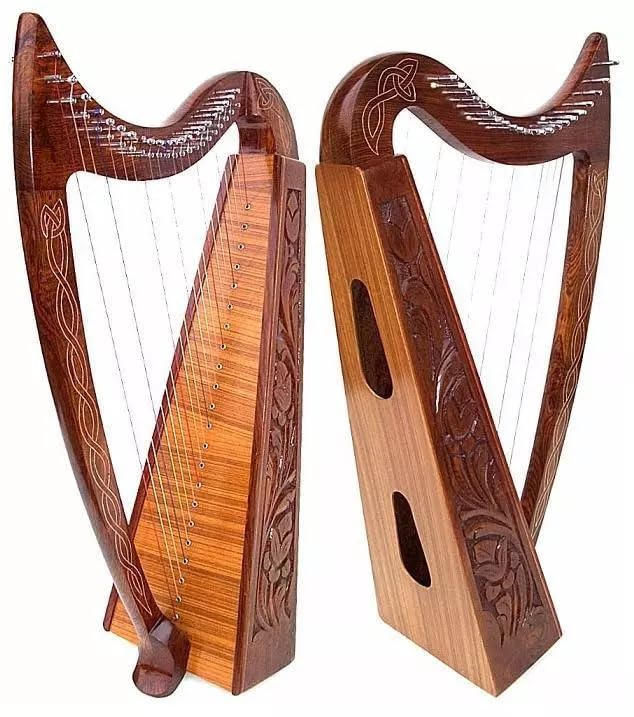
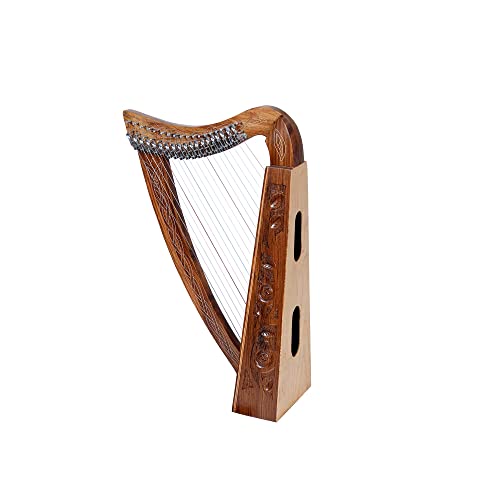
A harp is a significant investment, so finding one suited to a beginner’s needs is key. Smaller lever harps—often called Celtic or folk harps—are ideal because they’re lighter, easier to manage, and more affordable than concert pedal harps.
I recommend brands like Dusty Strings Prelude Harp or Lyon & Healy Troubadour, which offer durable construction, balanced string tension, and good tonal quality in compact sizes. These harps are easier to transport to lessons and less intimidating for kids or adult learners just getting comfortable with hand positions.
Practical Accessories for Setup and Care
Even the best beginner harp needs support tools for maintenance and ease of use:
- Harp Stand: A sturdy stand stabilizes the instrument during practice, preventing accidental falls. Look for adjustable models with padding to protect the wood finish.
- Electronic Harp Tuner: Harps can quickly go out of tune, especially in fluctuating home environments. Tuners designed specifically for lever harps or chromatic tuners with clip-on mic sensors work best.
- String Dampeners/Mutes: For learners practicing in shared spaces, rubber or felt string mutes help reduce volume without altering finger technique.
- String Replacement Sets: Beginners sometimes break strings during early learning stages. Having spare strings on hand keeps practice uninterrupted.
I always test tuners and stands at home with different harp sizes to ensure compatibility and ease of use before recommending.
Tools to Improve Practice and Technique
Beyond the harp itself, gifts that support skill-building often get overlooked but have a lasting impact:
- Finger Picks: Silicone finger picks provide extra protection and traction, especially useful when fingers aren’t yet conditioned.
- Metronome: Timing is fundamental to playing music. A digital or mechanical metronome helps beginners build consistent tempo.
- Music Notation Software or Apps: Simple apps that display harp tablature or sheet music in easy-to-follow formats open doors to new repertoire and interactive learning.
Every beginner’s journey is unique, so I suggest starting gently with finger picks rather than forcing them, and choosing metronomes with clear displays and adjustable sounds.
Educational Gifts: Books, CDs, and Online Resources
Instructional materials tailored for harp beginners can be prized gifts that foster independence:
- Method Books: Books like “First 50 Songs You Should Play on the Harp” or “Suzuki Harp School” provide structured lesson progression.
- Play-Along CDs or Digital Tracks: Audio resources let learners hear pieces performed correctly and join in, improving both ear and rhythm.
- Online Lesson Subscriptions: For those who may not have easy access to local teachers, gifting a subscription to reputable online harp classes provides professional guidance from home.
I’ve reviewed many beginner books and always look for those with clear notation, simple arrangements, and supplementary listening materials.
Personal and Fun Gifts to Encourage Practice
Music is as much about passion and inspiration as it is about technique. Personal gifts can motivate a beginner harpist to keep playing:
- Instrument Care Kits: Including polish cloths, string winders, and case covers keeps their harp looking and sounding its best.
- Practice Journals: Beautifully designed notebooks for tracking progress and setting goals bring mindful structure to practice time.
- Decorative Sheet Music Stands or Wall Art: Harp-themed décor adds warmth and personality to their music room.
- Tote Bags or Cases: Stylish, padded bags make transporting their harp or music books easier and more enjoyable.
As a longtime music-room editor, I recommend choosing gifts that reflect the recipient’s age and style to encourage a strong daily connection with their instrument.
Gift Comparison Checklist: Best Gifts for Beginner Harpists
| Gift Type | Why It Helps Beginner Harpists | Ideal Recipient | Price Range | Notes |
|---|---|---|---|---|
| Beginner Lever Harp | Lightweight, manageable, good sound | Kids, adults starting out | $$$–$$$$ | Prioritize quality over lowest cost |
| Harp Stand | Stabilizes harp, prevents damage | All beginners | $–$$ | Adjustable sizes available |
| Electronic Tuner | Simplifies tuning, improves sound | Beginners uncertain about tuning | $–$$ | Prefer clip-on mic tuners |
| Finger Picks | Protect fingers, improve grip | Beginners with finger soreness | $–$$ | Use silicone picks for comfort |
| Metronome | Builds steady rhythm | All beginners | $–$$ | Look for clear display and sound |
| Beginner Books | Step-by-step music learning | Self-learners and students | $–$$ | Choose well-reviewed titles |
| Play-Along CDs/Apps | Ear training, rhythm practice | Motivated beginners | $–$$ | Digital resources often more flexible |
| Practice Journal | Encourages regular, mindful practice | Teens, adults | $–$ | Personalized covers add appeal |
| String Mute/Dampener | Reduces volume for quiet practice | Learners in shared spaces | $ | Simple, inexpensive |
| String Replacement Set | Keeps harp playable during string breaks | All beginners | $–$$ | Match string gauges carefully |
Related reading
- Best Gifts for Harp Players
- Best Beginner Harp Books
- Best Metronomes for Harp Practice
- Best Sheet Music Organizers for Harp Players
- How Many Strings Should a Beginner Harp Have?
FAQ
What type of harp is best for a beginner?
A lever harp, usually 22 to 36 strings, is the best option for most beginners due to its manageable size, lower cost, and simpler tuning mechanism. Small lever harps from brands like Dusty Strings or Lyon & Healy offer excellent quality for new players.
Are finger picks necessary for beginner harpists?
Not always, but they can be very helpful for protecting sensitive fingertips, especially during the early weeks of practice. Silicone finger picks are gentle and improve grip without altering technique.
How often should a beginner harpist tune their instrument?
Ideally, beginners should tune their harp every time they practice, as new string tension can shift quickly. A clip-on electronic tuner makes this task less daunting.
What’s the most helpful practice accessory for new harp students?
A good metronome is invaluable for developing steady rhythm and timing. Combined with method books that include simple pieces, it forms the foundation for confident playing.
Are online harp lessons effective for beginners?
Yes, especially if local lessons aren’t accessible. Reputable online courses provide structured curricula and video demonstrations. Pairing these with good physical resources like books and a tuner supports comprehensive learning.
Choosing gifts for beginner harpists requires understanding their unique challenges and needs. From selecting the right harp to adding thoughtful accessories, care-centric presents encourage practice, build skill, and keep the joy of music alive. I hope these recommendations help you find presents that inspire new harpists to embrace their musical journey with confidence and delight.
Products in this guide
- How To Play Lever Harp: A Step-by-Step Beginner Guide to Learning the Lever Harp Mastering Harp Techniques and Playing Easy Songs with Music TheoryCheck on Amazon →
- World of Harmony Music; Child’s Play ~ A Beginner’s Collection of 28 Favorite Childhood Songs for Zither, Lap HarpCheck on Amazon →
- Hape Happy Harp Kid’s Musical Instrument | Award Winning Wooden Lap Harp Toy for Kids, Tuning Tips, Tuning Wrench, Picks and Song Sheets IncludedCheck on Amazon →
- SUPVOX 19 String Lyre Harp Strings Nylon Replacement Set, Color Coded Lyre Strings for Small Instrument, Easy Install Harp String Replacement for Beginners and Music EnthusiastsCheck on Amazon →