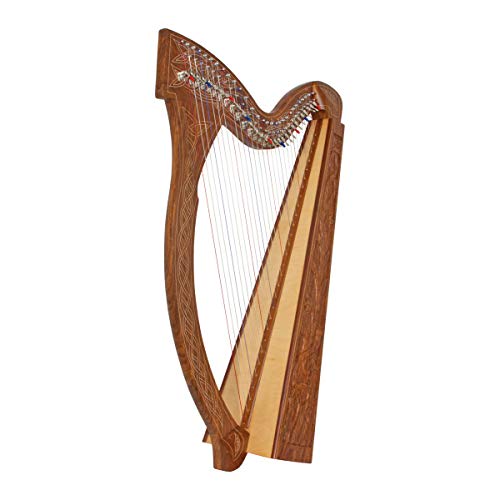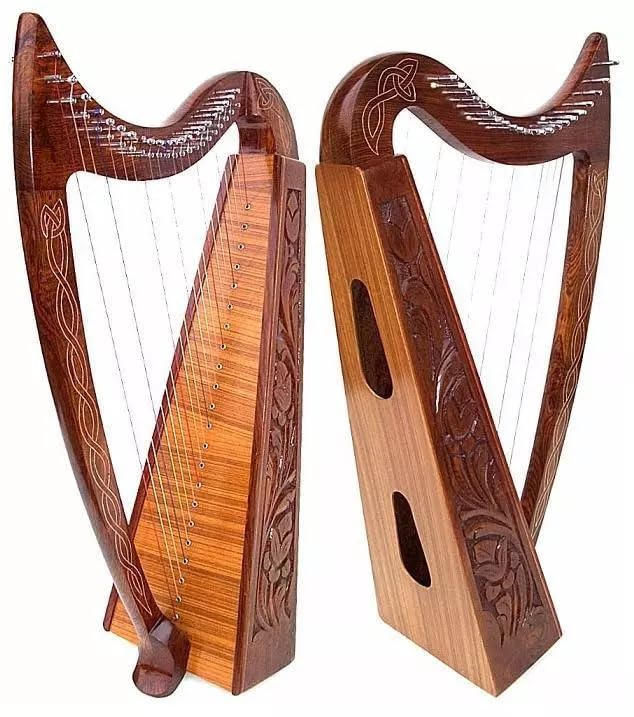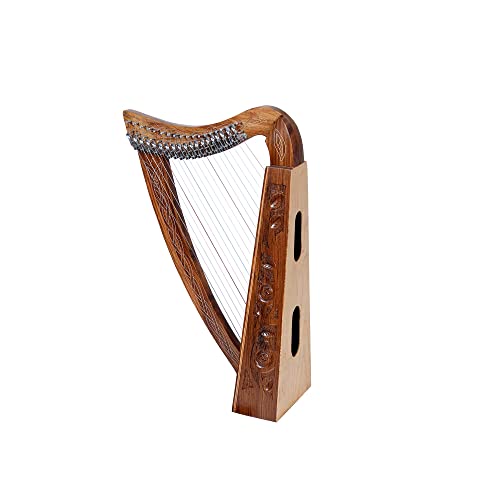
Keeping my harp in pristine condition means using the right microfiber cloths and cleaning tools. When it comes to caring for delicate instruments like harps, selecting the best microfiber cloths and cleaning tools for harps is essential to protect the wood finish and strings without causing damage.
Key takeaways
- Microfiber cloths are gentle, lint-free, and ideal for daily harp cleaning to remove dust and fingerprints.
- Choose cleaning tools specifically designed or safe for delicate wood and strings, avoiding harsh chemicals.
- Regular, careful cleaning extends the lifespan and appearance of your harp.
- Combining microfiber cloths with appropriate wood-friendly cleaners and string care products yields the best results.
- Quality tools can also ease maintenance for beginners and teachers managing multiple harps.
Why microfiber cloths are the best choice for cleaning harps
Over the years of cleaning harps I’ve worked with, I’ve found microfiber cloths to be the gold standard. Their ultra-fine fibers capture dust, oils, and fingerprints without scratching the delicate finishes of a harp’s wood body or metal strings. Unlike cotton cloths that can leave lint or cause static buildup, microfiber is designed to pull dirt away and hold it inside the fabric.
When caring for expensive harps, this gentle touch is vital. Using a microfiber cloth regularly prevents buildup that can dull the finish or accumulate dust around tuning pins and pedals. Plus, they dry quickly and are easy to wash and reuse, making them both eco-friendly and cost-effective for long-term harp upkeep.
Essential cleaning tools for harps: Beyond microfiber cloths
While microfiber cloths handle surface dust and fingerprints excellently, other specialized tools help keep a harp in top shape:
-
Soft-bristle brushes: A small brush with natural or synthetic soft bristles helps remove dust from tight areas around tuning pins, string pillars, and pedal mechanisms without scratching.
-
String wipes and conditioners: Cleaning harp strings regularly with gentle string wipes prevents buildup that can impair sound quality. Some string conditioners may also prolong string life, but be cautious with harsh chemicals.
-
Wood polish: For harps with lacquered finishes, a mild, harp-safe wood polish used sparingly restores shine and protects the wood from drying out.
-
Compressed air: A handheld can of compressed air can gently blow dust from hard-to-reach places (never indoors with strong blasts close to the instrument).
Together, these tools complement microfiber cloths for complete instrument care.
What to avoid when cleaning your harp
I often caution beginners and teachers alike about common cleaning mistakes. Avoid abrasive cloths, household solvents, or ammonia-based cleaners that can damage a harp’s finish. Also, never spray cleaner directly onto the instrument; instead, lightly mist a microfiber cloth and wipe gently.
Avoid soaking strings or wood in any liquids, and refrain from using rough brushes on delicate parts. These simple precautions save you costly repairs and preserve tone quality. A careful, measured approach is always best.
Comparison table: Recommended microfiber cloths and cleaning tools for harps
| Product (Example) | Best For | Material | Special Features | Price Range |
|---|---|---|---|---|
| Zwipes Microfiber Cleaning Cloths | Daily gentle dusting | 100% microfiber | Lint-free, washable, anti-static | Budget-friendly |
| MagicFiber Microfiber Cloth | Streak-free polishing | Ultra-fine fiber | Chemical-free cleaning, reusable | Mid-range |
| D’Addario Harp String Wipes | Cleaning harp strings | Non-abrasive wipe | Alcohol-free, safe for strings | Affordable |
| 3M Natural Bristle Detailing Brush | Dust removal in hard-to-reach areas | Soft natural bristles | Gentle yet effective | Mid-range |
| Howard Feed-N-Wax Polish | Wood finish care and shine | Beeswax and Carnauba | Enhances wood grain without residue | Mid-range |
| Dust-Off Compressed Air | Dust clearance in tight spots | Compressed air | Quick and safe if used carefully | Budget-friendly |
Tips for maintaining your microfiber cloths and cleaning tools
From personal experience, microfiber cloths perform best when cleaned regularly to avoid trapping abrasive dirt. Always wash with mild detergent in cool water, avoiding fabric softeners or bleach that reduce effectiveness. Let them air-dry rather than using high heat from dryers to maintain fiber integrity.
Brushes should be gently rinsed and reshaped, dried thoroughly before storage. Replace string wipes after a few uses to prevent transferring dirt back onto your strings.
Storing all your cleaning tools in a dedicated kit ensures they’re readily available and reduces the risk of mixing them with harsh household cleaners or dusting tools that could do more harm than good.
How often should you clean your harp?
I recommend a light surface cleaning with a microfiber cloth after every practice session to remove oils and dust. For deeper cleaning with brushes and polish, aim for monthly or quarterly sessions depending on your environment. If you live in a dusty area or play frequently, more regular care may be necessary.
Cleaning harp strings and tuning pegs can also be done alongside tune-ups or re-stringing for optimal results without risking overuse of cleaning products.
Related reading
- Amazon Checklist for New Harp Owners
- Best Harp Covers and Dust Protection
- Best Tuning Wrenches for Harps
- How to Protect a Harp from Dry Air
- Best Digital Hygrometers Under 30 Dollars for Music Rooms
FAQ
How do I clean harp strings safely without damaging them?
Use alcohol-free string wipes or very lightly dampened microfiber cloths to gently remove buildup. Avoid sprays or heavy liquids on strings. Dry immediately if any moisture touches metal parts.
Can I use regular furniture polish on my harp?
It’s best to use harp-safe or mild wood polishes like those containing beeswax and carnauba. Avoid solvent-heavy furniture polishes that might damage lacquer or wood protective finishes.
Are microfiber cloths safe for all harp finishes?
Generally yes, microfiber is gentle enough for most lacquered and natural finishes. However, always test on a small inconspicuous area first to confirm no discoloration or damage occurs.
How do I remove stubborn fingerprints without scratching?
Lightly mist a microfiber cloth with water or approved cleaner and rub gently in circular motions. Avoid scrubbing or pressing hard. Patience beats brute force when it comes to harp care.
Selecting the right microfiber cloths and cleaning tools for your harp is one of the easiest and most effective ways to preserve its beauty and sound. By investing in quality materials and adopting a gentle cleaning routine, you can keep your harp looking and sounding its best for years to come. I hope these recommendations and tips help you build a cleaning kit that fits your harp and lifestyle perfectly.